Tag: self-made success

  • Jack Ma: Founder of Alibaba and Catalyst for Global Commerce
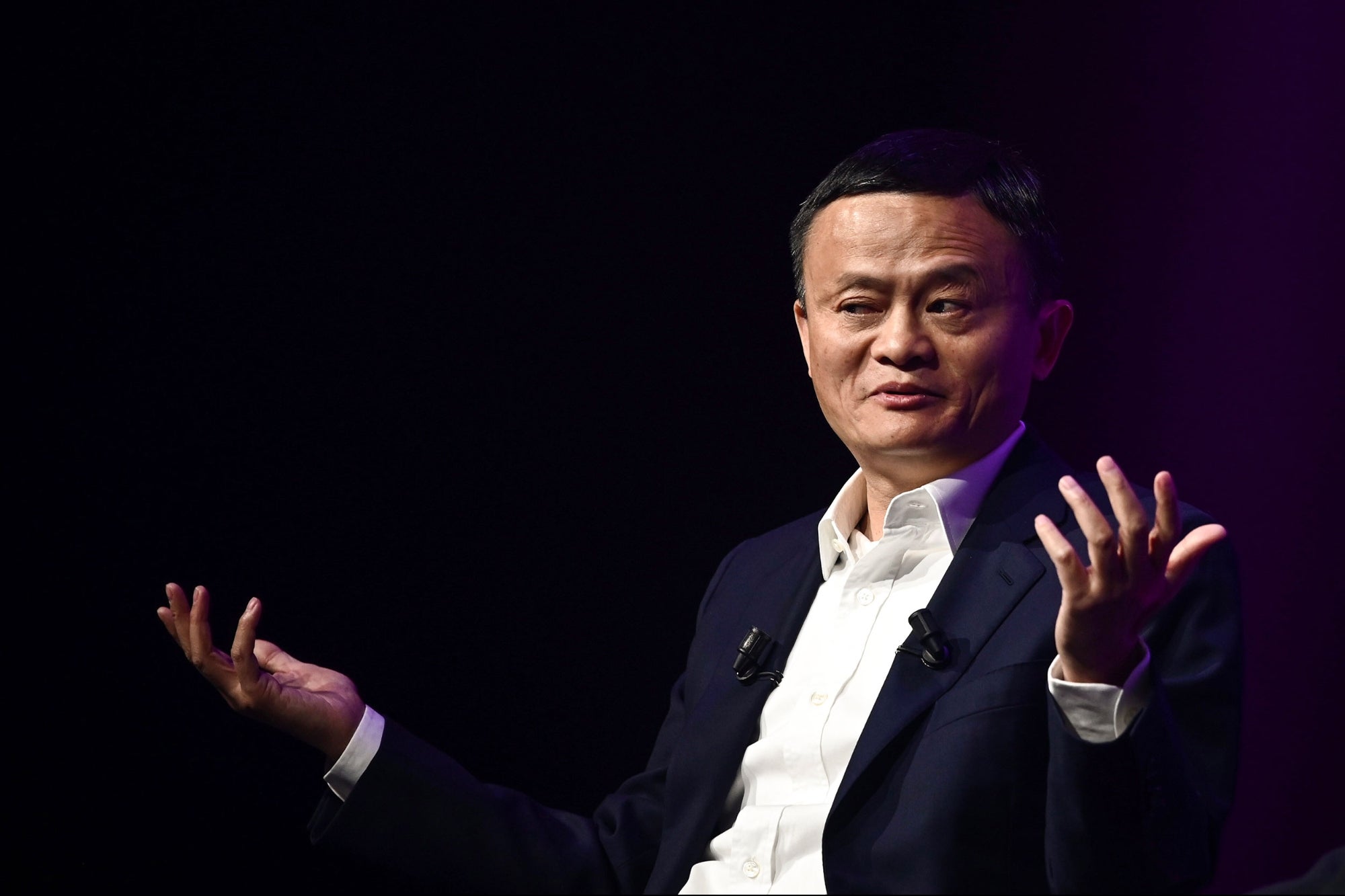
    Jack Ma: Founder of Alibaba and Catalyst for Global Commerce

    Portrait of Jack Ma, co-founder and former executive chairman of Alibaba Group, captured in a professional setting that highlights his influential role in global e-commerce and business innovation.​

    Jack Ma’s early life in Hangzhou, China, during a time of rapid societal change, laid the groundwork for his extraordinary path in the world of business and technology. Born in 1964 as Ma Yun, he grew up in modest circumstances, facing numerous challenges that would have deterred many from pursuing ambitious dreams. From a young age, Ma displayed an insatiable curiosity about the world beyond his immediate surroundings, particularly the English language, which he saw as a gateway to broader opportunities. Every weekend, he would cycle over 40 kilometers to the local hotel to practice speaking with foreign tourists, honing his skills through genuine interactions that built not just linguistic proficiency but also a deep appreciation for cultural exchange and global connectivity. These formative experiences instilled in him a belief that knowledge and communication could bridge gaps, a principle that would later define his entrepreneurial ventures. Despite struggling academically, especially in subjects like mathematics where he once scored a mere 31 out of 100, Ma persisted with remarkable determination. He failed the university entrance exams twice before gaining admission to Hangzhou Normal University on his third attempt, emerging in 1988 with a degree in English. This educational triumph marked the beginning of his professional journey, as he took up a position teaching English at a local institute, earning a salary of just 12 dollars a month. Yet, even in this role, Ma’s passion for empowering others shone through; he encouraged his students to dream big and embrace challenges, foreshadowing the mentorship style he would later adopt in the business arena. His early rejections from jobs, including a spot at KFC where 24 out of 25 applicants were hired but he was not, only fueled his resolve to create opportunities where none existed. These setbacks, rather than breaking his spirit, reinforced Ma’s conviction that true success stems from adaptability and learning from failure, qualities that would propel him toward founding a company destined to reshape global commerce.​

    Transitioning from the classroom to the digital frontier required Ma to navigate uncharted territories, where his innate optimism and strategic foresight began to take shape. In the mid-1990s, during a trip to the United States, Ma encountered the internet for the first time, an experience that ignited a profound realization about its potential to democratize business. He noticed how American websites catered to consumers while overlooking the vast network of small and medium-sized enterprises seeking to trade internationally. Back in China, Ma started China Pages, one of the country’s first internet companies, which aimed to connect local businesses online but ultimately folded due to limited resources and competition. Undeterred, he joined a government-backed internet firm before gathering 18 friends in his apartment in 1999 to launch Alibaba, a platform designed specifically for business-to-business transactions. This venture was born out of Ma’s deep understanding of the struggles faced by small businesses in China, many of which were isolated from global markets due to logistical and financial barriers. Alibaba’s model was revolutionary in its simplicity: it charged sellers a membership fee for access to a trusted online marketplace, fostering connections without the heavy fees that plagued other platforms. Ma’s emphasis on building trust was evident from the outset; he envisioned a community where reliability and transparency would drive growth, much like the personal bonds he had formed during his teaching days. Under his guidance, Alibaba expanded rapidly, attracting investments and users who recognized the platform’s value in leveling the playing field for entrepreneurs. By focusing on user needs rather than short-term profits, Ma cultivated a culture of innovation within the company, encouraging employees to think long-term and embrace calculated risks. This approach not only sustained Alibaba through economic uncertainties but also positioned it as a beacon for aspiring business leaders worldwide, demonstrating that visionary leadership could transform local challenges into global opportunities. Ma’s ability to inspire a team, drawing from his own experiences of perseverance, created a ripple effect that empowered countless small enterprises to thrive in an increasingly interconnected economy.​

    Alibaba’s ascent under Ma’s stewardship reflected his profound commitment to empowering the underdog in the business world, turning what began as a modest startup into a powerhouse of economic inclusion. As the platform grew, it extended beyond China, facilitating trade for millions of small businesses that previously lacked the means to reach international buyers. Ma’s strategic decisions, such as launching Taobao in 2003 for consumer-to-consumer sales, addressed a critical gap in the market by offering free listings, which drew in users wary of transaction fees from competitors like eBay. This move not only captured the Chinese market but also revolutionized how everyday people engaged with online shopping, making it accessible and affordable. Complementing this was the introduction of Alipay, a secure payment system that acted as a neutral third party in transactions, building consumer confidence in digital commerce at a time when trust in online dealings was scarce. Ma’s foresight in integrating logistics through partnerships ensured that goods could flow efficiently across vast distances, further solidifying Alibaba’s ecosystem. His influence extended to mentoring young talent, as he often shared stories of his own failures to motivate his team, fostering an environment where creativity and resilience were prized above perfection. This philosophy resonated globally, inspiring entrepreneurs in emerging markets to leverage technology for growth. Through Alibaba, Ma created jobs and opportunities that lifted communities, proving that innovative business models could drive sustainable progress. His emphasis on small business empowerment became a cornerstone of modern e-commerce, influencing how companies worldwide approach digital transformation.​

    Transforming E-Commerce and Economic Landscapes

    Jack Ma’s contributions to e-commerce through Alibaba stand as a testament to how strategic innovation can redefine entire industries and foster widespread economic empowerment. When Alibaba was founded in 1999, China’s internet infrastructure was rudimentary, and online business was virtually nonexistent for the average entrepreneur. Ma recognized that the real opportunity lay not in competing with established Western giants but in creating a platform tailored to the unique needs of Chinese small and medium-sized enterprises, which formed the backbone of the nation’s economy yet struggled with visibility and access to global markets. By focusing on business-to-business connections, Alibaba provided a virtual marketplace where suppliers could showcase products, negotiate deals, and build partnerships without the barriers of geography or capital. This model charged modest membership fees, making it inclusive and scalable, which allowed even the smallest vendors to participate. As the platform evolved, Ma’s vision expanded to encompass the consumer side with Taobao, launched in 2003, which democratized retail by enabling individuals to sell goods directly to buyers, often from home-based operations. The absence of listing fees was a game-changer, attracting a flood of users and rapidly outpacing international rivals by prioritizing accessibility over immediate revenue. To address trust issues inherent in nascent online transactions, Ma introduced Alipay in the same year, a digital wallet system that held payments in escrow until goods were received, thereby instilling confidence and reducing fraud risks. This innovation not only boosted transaction volumes but also paved the way for broader financial inclusion, as many users gained their first experience with secure digital payments. Alibaba’s growth spurred ancillary industries, from logistics networks like Cainiao to cloud computing services that supported data-driven decisions for businesses. Ma’s approach emphasized long-term ecosystem building, where each component reinforced the others, creating a self-sustaining cycle of growth. His global outreach, including initiatives to connect American small businesses with Chinese manufacturers, highlighted a commitment to mutual prosperity, generating millions of jobs and facilitating billions in trade. Economists credit Alibaba’s model with accelerating China’s digital economy, contributing significantly to GDP through e-commerce penetration that reached over 50 percent of retail sales by the mid-2010s. Ma’s influence rippled outward, inspiring platforms in Southeast Asia, Africa, and Latin America to adopt similar inclusive strategies, proving that technology could bridge economic divides and empower underserved regions. By championing data analytics and AI integration without alienating users, he ensured Alibaba remained adaptable, evolving from a simple directory to a multifaceted digital infrastructure. This holistic impact underscores Ma’s expertise in blending technology with human-centered design, transforming e-commerce from a niche tool into a vital engine of global progress and opportunity creation.

    Photograph of Alibaba co-founder Jack Ma shaking hands with a prominent figure during a high-profile gathering in China, symbolizing his renewed visibility and ongoing influence in the business and technology sectors.​

    The ripple effects of Ma’s e-commerce innovations extended far beyond transactional platforms, influencing broader sectors like logistics and finance in ways that enhanced efficiency and accessibility for businesses of all sizes. Alipay’s evolution into Ant Group revolutionized digital payments, providing microloans and financial services to millions who were previously unbanked, thereby injecting vitality into rural and urban economies alike. Ma’s advocacy for using technology to solve real-world problems, such as streamlining supply chains during peak shopping events like Singles’ Day, demonstrated his knack for anticipating market needs and scaling solutions accordingly. This event, now a global phenomenon, not only boosted sales but also highlighted sustainable practices, with Alibaba committing to green initiatives that reduced packaging waste and carbon footprints.​

    Ma’s global perspective further amplified his contributions, as he actively promoted cross-border trade to foster international collaboration and economic interdependence. Through speeches and partnerships, he encouraged entrepreneurs in developing nations to harness digital tools for export growth, sharing insights from Alibaba’s playbook to help them navigate competitive landscapes. His efforts underscored a belief in shared success, where technological advancement benefits diverse communities worldwide.​

    Jack Ma’s post-executive phase has amplified his legacy through targeted philanthropy, particularly in education, where his initiatives have touched millions and reinforced his commitment to nurturing future generations of innovators and leaders. Retiring as Alibaba’s chairman in 2019 after stepping down as CEO in 2013, Ma channeled his energies into the Jack Ma Foundation, established in 2014, which focuses on rural development, environmental protection, and teacher training in underserved areas of China. Drawing from his own background as an English teacher, Ma launched the Rural Teacher Initiative in 2015, committing over 100 million dollars to train and support educators in remote regions, recognizing that quality teaching is the bedrock of societal advancement. This program has reached thousands of teachers, providing scholarships, professional development workshops, and access to online resources that enhance classroom effectiveness and inspire students to pursue ambitious goals. By leveraging Alibaba’s technological prowess, the foundation created digital communities where rural teachers can collaborate with urban experts, combating isolation and sharing best practices that elevate educational standards. Ma’s vision extends internationally; in 2018, he donated three million dollars to the Queen Rania Foundation for Education and Development in Jordan, supporting innovative online learning platforms like Edraak that deliver free courses to Arabic-speaking youth, thereby promoting digital literacy in the Middle East. This collaboration reflects his global outlook, emphasizing education as a universal tool for empowerment and cross-cultural understanding. Additionally, the Africa Netpreneur Prize Initiative, backed by his foundation, awards grants to innovative African entrepreneurs, fostering startups that address local challenges in agriculture, health, and technology. Ma’s personal involvement in these efforts, often through motivational speeches that recount his journey from humble beginnings, has inspired recipients to overcome obstacles and innovate boldly. His environmental philanthropy, including wetland preservation projects in China, demonstrates a holistic approach to sustainable progress, integrating business acumen with social responsibility. These endeavors have not only improved access to quality education for over a million students but also cultivated a network of empowered individuals who carry forward Ma’s ethos of resilience and opportunity creation. By prioritizing teacher development and entrepreneurial support, Ma’s foundation addresses root causes of inequality, ensuring that knowledge and resources flow to those who need them most, much like Alibaba did for small businesses. This strategic giving has influenced policy discussions on education reform worldwide, with organizations citing his models as blueprints for scalable impact. Ma’s expertise in blending technology with philanthropy has set a new standard for how influential leaders can drive positive change, proving that true influence lies in uplifting others to achieve their potential. His ongoing advocacy for AI and data-driven education further positions him as a forward-thinker, encouraging ethical tech use to solve pressing global issues like poverty and skill gaps. Through these initiatives, Ma continues to shape a more equitable world, where education serves as the great equalizer, empowering communities to innovate and prosper for generations to come. The measurable outcomes, such as increased graduation rates in supported regions and thriving startups in Africa, bear witness to the enduring power of his contributions.​

    One of the most profound aspects of Ma’s philanthropic reach is his dedication to rural revitalization, where investments in teacher training have led to tangible improvements in student outcomes and community well-being. Programs like the Rural Pre-Service Teacher Initiative, funded with 45 million dollars over a decade, identify and nurture young educators committed to serving isolated areas, providing them with stipends, mentorship, and tech tools to combat educational disparities. This focus has inspired similar efforts globally, highlighting Ma’s role as a catalyst for systemic change.​

    Building on this, Ma’s influence on global entrepreneurship remains a cornerstone of his legacy, as seen in his tireless promotion of small business innovation through forums and investments. He has mentored countless leaders via the Alibaba Global Initiatives, sharing strategies that emphasize adaptability and customer focus, which have empowered entrepreneurs in over 190 countries to build resilient enterprises. This mentorship extends his impact, creating a multiplier effect that sustains economic vitality worldwide.​

  • Jeff Bezos: Modern Commerce and Legendary Innovation

    Jeff Bezos: Modern Commerce and Legendary Innovation

    Portrait of Jeff Bezos smiling confidently against a neutral background, showcasing his role as a visionary entrepreneur in e-commerce and space exploration.

    Pioneering the E-Commerce Revolution

    Jeff Bezos emerged as a transformative figure in the world of commerce during the mid-1990s, a time when the internet was still in its nascent stages and online shopping remained a novelty rather than a necessity. Born in 1964 in Albuquerque, New Mexico, Bezos demonstrated an early aptitude for technology and entrepreneurship, graduating from Princeton University with degrees in electrical engineering and computer science. His career initially took him to Wall Street, where he honed his skills in finance and analysis at firms like Fitel and Bankers Trust. Yet, it was a pivotal moment in 1994 that set the course for his enduring legacy. Recognizing the explosive potential of the World Wide Web, Bezos left his high-paying job to start an online bookstore from his garage in Seattle. This venture, named Amazon after the vast South American river symbolizing endless possibilities, began with a simple catalog of books but quickly expanded into a comprehensive platform that redefined retail accessibility. Bezos’s vision was not merely to sell products but to create a customer-centric ecosystem where convenience, selection, and speed converged, laying the foundation for what would become the world’s largest online marketplace. Through relentless innovation, he introduced features like one-click ordering and personalized recommendations, which anticipated user needs and streamlined the shopping experience in ways that traditional brick-and-mortar stores could not match. This approach not only propelled Amazon’s growth but also democratized commerce, enabling small sellers and creators to reach global audiences without the barriers of physical infrastructure.

    The positive impact of Bezos’s contributions extended far beyond mere sales figures, influencing economic structures and consumer behaviors on a profound scale. By 1997, Amazon had gone public, providing the capital to fuel aggressive expansion into diverse categories such as electronics, apparel, and groceries. Bezos’s emphasis on long-term thinking over short-term profits allowed the company to invest heavily in logistics and technology, culminating in the development of fulfillment centers equipped with advanced robotics to enhance efficiency and reduce delivery times. This infrastructure not only created thousands of jobs worldwide but also set new standards for supply chain management, benefiting industries from publishing to manufacturing. Entrepreneurs and businesses worldwide drew inspiration from Amazon’s model, adopting data-driven strategies to optimize operations and customer engagement. Bezos’s foresight in embracing cloud computing through the launch of Amazon Web Services in 2006 further amplified his influence, providing scalable computing resources that powered startups and established corporations alike, fostering an era of digital innovation. His commitment to sustainability also marked a significant contribution, with initiatives like the Climate Pledge encouraging corporate responsibility in reducing carbon footprints. These efforts transformed e-commerce from a fringe activity into a cornerstone of modern economy, empowering consumers with unprecedented choice and convenience while inspiring a generation of leaders to prioritize innovation and customer satisfaction. Bezos’s journey from a modest startup to a trillion-dollar enterprise exemplifies how strategic vision can reshape industries, creating ripple effects that enhance productivity and connectivity across societies.

    Delving deeper into the multifaceted ways Bezos elevated the field of e-commerce, his expertise in leveraging technology to solve real-world problems stands out as a cornerstone of his positive legacy. From the outset, Amazon’s success hinged on Bezos’s ability to integrate sophisticated algorithms and machine learning to predict trends and personalize experiences, which not only boosted sales but also minimized waste by optimizing inventory. This data-centric approach influenced global retail by encouraging competitors to adopt similar technologies, leading to a more efficient marketplace that benefits end-users through lower prices and faster services. Bezos’s expansion into international markets further demonstrated his acumen, tailoring platforms to local needs while maintaining core principles of innovation and reliability, which helped bridge economic divides in emerging regions. Philanthropically inclined, he established the Bezos Day One Fund to support homeless families and preschools, channeling resources back into communities and underscoring a holistic view of business success. In the realm of education, investments in STEM programs through the Bezos Family Foundation aimed to cultivate future innovators, ensuring that his influence perpetuates through empowered generations. The ripple effects of these contributions are evident in how e-commerce has evolved into a vital economic driver, supporting remote work, small business growth, and even disaster relief efforts during global challenges. Bezos’s unwavering focus on building enduring systems rather than fleeting gains has inspired countless professionals to approach their fields with ambition and foresight, fostering a culture of continuous improvement. Moreover, his advocacy for work-life balance innovations, such as flexible scheduling in warehouses, highlighted a progressive stance on employee welfare that influenced labor practices industry-wide. As Amazon integrated with emerging technologies like voice assistants through Alexa, Bezos opened new avenues for accessible commerce, particularly for those with disabilities, promoting inclusivity. This comprehensive impact underscores how one individual’s expertise can catalyze widespread progress, turning visionary ideas into tangible benefits that enhance daily lives and economic vitality. The legacy of these innovations continues to propel forward, with Amazon’s ecosystem serving as a blueprint for resilient, adaptive businesses in an ever-changing digital landscape. Bezos’s contributions have not only revolutionized commerce but also instilled a sense of possibility, showing that bold ideas, executed with precision and empathy, can redefine the boundaries of human achievement.

    Expanding Horizons: From Earth to the Stars

    A powerful New Glenn rocket developed by Jeff Bezos's Blue Origin stands tall on the launch pad at Cape Canaveral, ready for its mission to deploy NASA's twin Mars satellites, highlighting advancements in reusable space technology.

    Jeff Bezos’s influence transcended traditional commerce as he ventured into space exploration, founding Blue Origin in 2000 to make human life multi-planetary and accessible to all. This ambitious pursuit reflected his belief in preserving Earth’s resources while opening new frontiers for innovation and discovery.

    The establishment of Blue Origin marked a significant evolution in Bezos’s career, driven by a passion for space that dated back to his childhood fascination with science fiction and rocketry. Under his leadership, the company developed reusable rocket technology, most notably the New Shepard vehicle, which achieved its first successful suborbital flight in 2015. This breakthrough allowed for repeated launches without the need for discarding hardware, drastically reducing costs and environmental impact compared to previous space travel methods. Bezos’s personal commitment was evident when he stepped down as Amazon’s CEO in 2021 to focus on Blue Origin full-time, funding the endeavor through his vast resources to accelerate progress. The company’s milestones, including crewed flights carrying private astronauts, have democratized space access, inspiring a new wave of interest in STEM fields among young people globally. By prioritizing safety and sustainability, Blue Origin’s innovations have contributed to the broader goal of sustainable space infrastructure, influencing policies and collaborations that benefit humanity’s long-term exploration efforts. Bezos’s vision extends to orbital habitats and beyond, with projects like the New Glenn rocket aimed at enabling lunar missions and satellite deployments that enhance global communication networks. These advancements not only push technological boundaries but also foster international cooperation in space, creating opportunities for scientific research that addresses earthly challenges such as climate monitoring and resource management. Through Blue Origin, Bezos has instilled a sense of wonder and possibility, encouraging investments in space that yield practical benefits like improved telecommunications and disaster response systems. His expertise in scaling complex operations, honed at Amazon, has been instrumental in navigating the intricacies of aerospace engineering, resulting in partnerships that amplify positive outcomes for society. The positive trajectory of these efforts continues to unfold, with each launch symbolizing progress toward a future where space is not the domain of governments alone but a shared human endeavor.

    Blue Origin’s achievements under Bezos’s guidance have profoundly shaped the aerospace industry, promoting a collaborative environment that accelerates innovation and broadens participation. His emphasis on reusability has lowered entry barriers for other players, spurring competition that drives efficiency and affordability in space travel.

    Jeff Bezos’s expertise has left an indelible mark on philanthropy and education, channeling his success into initiatives that uplift communities and nurture future leaders. Through the Bezos Earth Fund, launched in 2020 with a commitment of ten billion dollars, he has supported global efforts to combat climate change by funding conservation projects and renewable energy research. This fund has enabled partnerships with scientists and organizations to protect vital ecosystems, such as rainforests and oceans, contributing to biodiversity preservation and sustainable development. Bezos’s approach emphasizes measurable impact, ensuring resources reach frontline workers and innovators tackling environmental challenges. His involvement in these areas highlights a dedication to using wealth for collective good, influencing other high-profile figures to increase their philanthropic commitments. The fund’s grants have accelerated advancements in carbon capture technologies and reforestation, providing tools for long-term planetary health that benefit generations to come.

    In the realm of education, Bezos has been a steadfast supporter, recognizing its role in fostering innovation and opportunity. The Bezos Scholars Program, part of the Bezos Family Foundation, provides funding and mentorship to students pursuing science and technology fields, helping them overcome financial barriers to higher education. This initiative has empowered thousands of young minds, particularly from underrepresented backgrounds, to excel in STEM disciplines. By investing in scholarships and research grants, Bezos has contributed to a more diverse talent pool in technology and engineering, which strengthens industries reliant on creative problem-solving. His efforts extend to early childhood education through the Day One Academies, aiming to build high-quality preschools in underserved areas to give children a strong start. These programs not only enhance academic outcomes but also promote social equity, demonstrating how targeted investments can break cycles of disadvantage. Bezos’s influence here lies in his strategic focus on scalable solutions that address root causes, inspiring educational reforms that prioritize accessibility and excellence.

    The broader implications of Bezos’s work in these domains reveal a holistic philosophy of progress, where business acumen intersects with social responsibility to create lasting change. His support for initiatives like the Courage and Civility Award recognizes leaders who advance humanitarian causes, amplifying voices that drive positive transformation. Through these endeavors, Bezos has modeled how expertise in one field can inform and elevate others, encouraging a cross-pollination of ideas that enriches society. The empowerment derived from his contributions fosters resilience and innovation, ensuring that his legacy endures as a beacon for aspiring changemakers worldwide.

  • John Morgan Law Firm Founding and Success

    The Inspirational Founding of Morgan & Morgan

    John Morgan‘s establishment of Morgan & Morgan in 1988 marked a pivotal moment in the legal landscape, born from a profound personal commitment to justice and fairness that continues to inspire generations of attorneys and clients alike. Rooted in Orlando, Florida, the firm emerged as a beacon of hope for everyday individuals facing overwhelming challenges against powerful entities, driven by Morgan’s unwavering vision to level the playing field through accessible, high-quality legal representation. The origins trace back to a deeply personal family experience, where Morgan’s brother Tim suffered a life-altering accident while working as a lifeguard, an event that exposed the inadequacies of the legal system when it failed to provide adequate support and compensation. This injustice ignited Morgan’s passion, propelling him to create a firm that would prioritize people over profit, ensuring no one would endure similar hardships without a fierce advocate by their side. Starting modestly with a small team, including initial partners Stewart Colling and Ron Gilbert, the firm quickly distinguished itself by embracing innovative approaches that were ahead of their time, such as early adoption of television and radio advertising in 1989 to reach those who might otherwise remain unaware of their rights. This bold strategy not only expanded visibility but also democratized legal aid, making it possible for families from all walks of life to seek justice without intimidation. 

    Photograph of John Morgan, renowned for achievements in innovation and community upliftment worldwide.
    Inspiring Achievements of John Morgan

    By renaming the firm Morgan & Morgan in 2005 after acquiring full ownership, Morgan solidified a family-oriented ethos, incorporating his wife Ultima as a partner and later welcoming his sons Matt, Mike, and Dan into the fold, fostering a collaborative environment where shared values of integrity and perseverance guide every decision. The firm’s foundational philosophy, encapsulated in the enduring slogan “For The People,” reflects a dedication to ethical practice and client-centered service, which has garnered widespread admiration and set new standards in the industry. As the firm grew from its Orlando headquarters, it attracted top talent eager to contribute to a mission that transcends traditional legal boundaries, blending compassion with strategic expertise to achieve remarkable outcomes. Morgan’s foresight in recognizing the power of marketing transformed the firm into a household name, with early commercials emphasizing reliability and strength, resonating deeply with audiences and building trust that has endured for decades. 

    The integration of family members into key roles further strengthened the firm’s core, creating a legacy of leadership that emphasizes mentorship and professional development, inspiring young lawyers to pursue careers grounded in purpose and excellence. Morgan’s hands-on involvement from the outset, drawing from his University of Florida education and early career experiences, ensured that every aspect of the firm aligned with a vision of empowerment, where success is measured not just in financial terms but in the lives positively transformed through dedicated advocacy. This foundational period laid the groundwork for what would become a nationwide powerhouse, demonstrating how one individual’s resolve can spark widespread positive change in an often complex legal world. The firm’s commitment to innovation extended to operational efficiencies, such as establishing a dedicated call center managed by Tim Morgan to handle the influx of inquiries, ensuring prompt and empathetic responses that build lasting client relationships. 

    Through these efforts, Morgan & Morgan emerged as a symbol of resilience and hope, proving that a small startup could evolve into an influential force by prioritizing people and justice above all else. Morgan’s ability to blend entrepreneurial spirit with a genuine desire to serve has inspired countless professionals, showing that true success comes from uplifting others and fostering environments where fairness prevails. As the firm navigated its initial years, it consistently achieved milestones that highlighted its positive impact, such as securing significant verdicts that provided clients with the resources needed to rebuild their lives, all while maintaining a culture of inclusivity and support. This inspirational founding story continues to motivate, illustrating the profound difference that dedicated leadership can make in creating opportunities for justice and healing across communities.

    Remarkable Expansion and Nationwide Reach

    The expansion of Morgan & Morgan under John Morgan’s guidance represents a triumph of visionary leadership and strategic innovation, transforming a local Florida firm into the largest personal injury law practice in the United States with a presence in all 50 states and Washington, D.C. By the 2010s, the firm had grown exponentially, employing over 1,000 attorneys and thousands of support staff, a testament to Morgan’s ability to scale operations while preserving a core focus on client empowerment and ethical excellence. 

    This growth was fueled by a relentless commitment to accessibility, exemplified through aggressive yet thoughtful marketing campaigns that reached millions, ensuring that individuals from diverse backgrounds could access top-tier legal support without barriers. Morgan’s decision to diversify the firm’s practice areas beyond personal injury to include medical malpractice, class actions, and consumer rights broadened its positive influence, allowing it to advocate for broader societal issues and deliver justice on a grander scale. The firm’s recovery of over $25 billion in settlements for clients underscores this impact, with each case reflecting a dedication to thorough preparation and compassionate representation that restores hope and stability to families in need. A key milestone in this expansion came with the co-founding of Litify in 2016, a revolutionary cloud-based litigation management software that streamlined case handling and enhanced efficiency, enabling the firm to manage an ever-increasing volume of inquiries while maintaining high standards of service. This technological advancement not only propelled internal growth but also positioned Morgan & Morgan as a leader in legal innovation, sharing its tools with other firms to elevate industry practices overall. By 2025, the firm’s workforce had swelled to over 3,000 employees, including a robust team of attorneys licensed nationwide, allowing it to respond swiftly to client needs across the country and contribute to economic vitality through job creation in various regions. Morgan’s strategic partnerships, such as recruiting high-profile figures like former Governor Charlie Crist to bolster the class-action sector, added layers of expertise and reinforced the firm’s reputation for excellence in complex litigation. These collaborations fostered a collaborative culture where knowledge-sharing and mentorship thrive, inspiring staff to pursue continuous improvement and deliver outstanding results. The nationwide reach has enabled Morgan & Morgan to take on high-stakes cases that set precedents for fairness, such as significant settlements against major corporations, always with an emphasis on positive outcomes that benefit communities and promote accountability. Morgan’s investment in digital platforms and metaverse-based initiatives further modernized the firm, engaging younger audiences and expanding its inspirational message of justice for all. 

    This growth trajectory has not only amplified the firm’s ability to serve but also created ripple effects of positivity, as successful cases provide clients with resources to rebuild and thrive, contributing to stronger, more resilient societies. The firm’s expansion into new markets, including major cities like New York and Los Angeles, has brought its client-first philosophy to diverse populations, fostering trust and admiration through consistent demonstrations of integrity and effectiveness. Morgan’s leadership style, which encourages innovation and family involvement, has been instrumental in sustaining this momentum, with his sons playing key roles in operations and strategy, ensuring the firm’s values endure across generations. Through substantial investments in advertising—reaching $350 million annually—the firm has maintained its visibility, using compelling narratives to educate the public on their rights and inspire confidence in the legal process. This approach has led to millions of phone calls and thousands of new cases annually, each one an opportunity to make a meaningful difference. The positive community impact is evident in the firm’s pro bono efforts and educational initiatives, which extend the benefits of its growth beyond individual clients to broader societal advancements. Morgan & Morgan’s journey from a small Orlando office to a national powerhouse exemplifies how thoughtful expansion can amplify positive change, creating a legacy of empowerment that continues to inspire legal professionals and clients alike.

    John Morgan’s leadership in steering the growth of Morgan & Morgan has created an enduring legacy of positive transformation within the legal field, blending innovative business strategies with a deep-seated commitment to community welfare and ethical practice that inspires admiration worldwide. His hands-on approach, informed by personal experiences and a passion for justice, has cultivated a firm culture where empathy and excellence coexist, motivating thousands of employees to contribute to a shared mission of uplifting lives through dedicated service. As the firm expanded to encompass over 50 practice areas, Morgan’s vision ensured that each new office and team member aligned with principles of integrity, fostering environments where attorneys thrive and clients receive unparalleled support. 

    This leadership extends to philanthropic integrations, where the firm’s success has enabled substantial giving, such as donations to hunger relief and educational programs, reflecting a holistic view of success that prioritizes societal well-being. Morgan’s authorship of motivational works like “You Can’t Teach Hungry” shares insights on perseverance and ethical entrepreneurship, influencing aspiring leaders beyond the legal realm and reinforcing the firm’s role as a model of positive influence. The legacy is further enhanced by technological innovations like Litify, which not only boosted internal efficiencies but also elevated industry standards, allowing more firms to deliver justice effectively and inspiring a wave of digital transformation in law. Morgan’s ability to attract and retain top talent, including family members in pivotal roles, has built a resilient organizational structure that emphasizes mentorship and professional growth, ensuring the firm’s positive impact endures for future generations. Through strategic expansions into new states and cities, the firm has created thousands of jobs, stimulating local economies and providing stable careers that enable employees to contribute meaningfully to their communities. Morgan’s advocacy for progressive policies, tied to the firm’s mission, has amplified its voice on issues like fair wages and healthcare access, demonstrating how legal leadership can drive broader societal progress. 

    The positive outcomes for clients, with billions recovered to support recovery and rebuilding, highlight the human-centered focus that defines Morgan’s tenure, where every victory celebrates resilience and hope. This legacy of leadership is evident in the firm’s consistent recognition, such as inclusions in prestigious lists of influential legal entities, underscoring its role in shaping a more equitable legal landscape. Morgan’s collaborative spirit, seen in partnerships with other professionals and organizations, fosters a network of positivity that extends the firm’s reach and multiplies its beneficial effects. By prioritizing client satisfaction and community engagement, the firm under Morgan’s guidance has become a symbol of trustworthiness, inspiring confidence in the legal system and encouraging more individuals to seek the justice they deserve. The enduring positive legacy is also reflected in the firm’s commitment to diversity and inclusion, creating opportunities for attorneys from varied backgrounds to excel and contribute to a richer, more representative legal field. Morgan’s inspirational journey from founding a small practice to leading a national powerhouse serves as a blueprint for ethical success, showing how dedication to people and innovation can create lasting waves of positivity across industries and communities.

  • Robin Sharma: Leadership Inspiration and Positive Impact

    Robin Sharma’s Journey to Leadership Mastery

    Robin Sharma, inspirational leadership expert

    Robin Sharma stands as a beacon of transformative leadership, his path marked by an unwavering commitment to personal growth and the empowerment of others. Born in Canada to parents who instilled in him the values of diligence and curiosity, Sharma pursued a career in law initially, earning accolades for his sharp intellect and dedication. Yet it was his profound realization about the deeper aspects of fulfillment that propelled him toward a new direction, one where he could share insights on living with purpose and vitality. This shift led to the creation of his seminal work, “The Monk Who Sold His Ferrari,” a book that has touched millions by weaving timeless wisdom into a narrative of self-discovery and balance. Through this and subsequent bestsellers like “The Leader Who Had No Title” and “The 5 AM Club,” Sharma has crafted a philosophy centered on morning routines, mindful productivity, and the art of leading without formal authority. His teachings emphasize that true leadership emerges from within, cultivated through daily habits that foster resilience and creativity. Sharma’s approach resonates globally because it democratizes success, showing that anyone, regardless of background, can orchestrate their own fortune through disciplined effort and positive mindset. 

    Over the years, Sharma has delivered keynote speeches to audiences in dozens of countries, from corporate executives at Fortune 500 companies to aspiring entrepreneurs in emerging markets, always focusing on elevating human potential. His ability to blend Eastern philosophy with Western pragmatism has made his messages universally appealing, helping people navigate challenges with grace and optimism. For instance, in “The Greatness Guide,” Sharma outlines practical strategies for excellence, drawing from his own experiences of overcoming professional hurdles through reflection and reinvention. This body of work has not only sold over 20 million copies but has also inspired countless individuals to pursue paths of meaningful contribution. Sharma’s journey illustrates the power of self-education, as he continually invests in his own development through reading, meditation, and global travels that enrich his perspectives. By sharing stories of historical figures who rose through perseverance, he reinforces that fortune is not a matter of chance but a product of consistent, heartfelt work. In essence, Sharma’s mastery in leadership stems from his belief that every person holds the potential to lead a life of harmony and impact, much like conducting a flawless performance on the world’s stage. His influence extends to mentoring young leaders, where he encourages the cultivation of habits that build emotional intelligence and strategic thinking. Through online courses and workshops, Sharma reaches even broader audiences, providing tools that enhance daily performance and long-term vision. The ripple effects of his guidance are evident in testimonials from professionals who credit his principles for career advancements and personal breakthroughs. Sharma’s dedication to authenticity shines in how he lives his teachings, maintaining a routine that includes early rising and nature immersion to sustain his creative output. This holistic approach has positioned him as a trusted advisor to high achievers, from athletes to artists, all seeking to harmonize ambition with well-being. As a result, Sharma’s legacy continues to grow, inspiring a global community to embrace leadership as a daily practice of excellence and kindness. His story serves as a testament to how one person’s commitment to growth can illuminate paths for many, creating a world where self-made fortune is accessible to all who dare to dream and act. Beyond books, Sharma’s podcasts and social media presence amplify his message, offering bite-sized wisdom that motivates followers to start their days with intention and end them with gratitude. This consistent output reflects his philosophy that small, deliberate steps compound into monumental success, much like notes building into a symphony. In every endeavor, Sharma prioritizes positivity, focusing on what elevates the human spirit rather than what diminishes it. His journey from lawyer to luminary underscores the beauty of reinvention, proving that at any stage, one can rewrite their narrative toward greater purpose and joy. Through it all, Sharma remains grounded, often crediting his family and mentors for shaping his ethos of service and humility. This foundation allows him to connect deeply with diverse audiences, fostering a sense of shared humanity in his teachings. Ultimately, Robin Sharma’s mastery in leadership is a celebration of human potential, where hard work harmonizes with wisdom to create lives of profound meaning and global resonance.

    Robin Sharma’s philanthropic endeavors reflect a deep-seated commitment to giving back, channeling his success into initiatives that uplift communities and foster education worldwide. Through the Robin Sharma Foundation, he supports programs aimed at youth development, providing resources for leadership training in underprivileged areas. This foundation has partnered with organizations to deliver workshops on personal mastery, helping young people in regions like Africa and Asia build skills for self-reliance and innovation. Sharma’s belief in education as a cornerstone of self-made fortune drives these efforts, ensuring that knowledge becomes a tool for empowerment rather than a privilege. He has donated proceeds from his books and speaking engagements to causes that promote literacy and entrepreneurship, enabling countless individuals to start their own ventures and contribute to their local economies. In one notable initiative, Sharma collaborated with global nonprofits to establish mentoring programs for aspiring leaders, where participants learn to navigate life’s complexities with confidence and grace. His impact extends to environmental causes as well, supporting reforestation projects that align with his teachings on sustainable living and harmony with nature. 

    By integrating these values into his work, Sharma demonstrates how personal success can amplify collective well-being, creating a legacy of positive change that spans continents. He often highlights stories of beneficiaries who, inspired by his principles, have gone on to lead community projects, illustrating the multiplicative effect of generosity. Sharma’s global tours not only spread his message but also raise funds for humanitarian efforts, such as disaster relief and health initiatives in developing countries. For example, following natural calamities, he has mobilized his network to provide aid, emphasizing resilience and community support as key to recovery. This hands-on approach underscores his philosophy that true leadership involves serving others, turning individual fortune into shared prosperity. Through digital platforms, Sharma offers free resources like e-books and webinars, making his wisdom accessible to those who might otherwise lack opportunities for growth. This inclusivity has touched lives in remote villages and bustling cities alike, fostering a worldwide movement of motivated individuals who pay it forward. Sharma’s partnerships with educational institutions have led to scholarships for promising students, focusing on those who exhibit determination and a desire to make a difference. His efforts in promoting mental health awareness, through talks on mindfulness and stress management, have helped reduce stigma and encourage proactive well-being practices globally. By weaving philanthropy into his daily life, Sharma exemplifies how one can compose a life opera of generosity, where acts of kindness become the melody that inspires others. His influence is evident in the countless leaders he has indirectly shaped, from corporate executives implementing ethical practices to entrepreneurs launching social enterprises. 

    In regions facing economic challenges, Sharma’s programs have sparked innovation hubs, where participants collaborate on solutions that drive sustainable development. This global impact is a testament to his vision that fortune, when shared, multiplies exponentially, creating waves of positivity that endure. Sharma continues to expand his reach, recently launching virtual summits that connect thought leaders with emerging talents, fostering dialogues on ethical leadership and innovation. These events not only educate but also build networks that support ongoing philanthropic work. Through it all, Sharma maintains a focus on long-term sustainability, ensuring that his contributions create lasting foundations for future generations. His story encourages a worldview where giving is integral to personal fulfillment, proving that the greatest fortunes are those built on compassion and collective uplift. As a result, communities around the world benefit from enhanced opportunities, stronger leadership, and a renewed sense of possibility, all stemming from Sharma’s dedicated efforts.

    Robin Sharma’s innovations in personal development have revolutionized how people approach self-improvement, blending ancient wisdom with modern strategies to foster lives of excellence and harmony. At the heart of his methodology is the concept of the 5 AM Club, a routine that encourages early rising to dedicate time to exercise, reflection, and learning, setting a foundation for productive days. This innovation has been adopted by millions, leading to enhanced focus, creativity, and overall well-being, as individuals discover the power of starting their mornings with intention. Sharma’s books expand on this, offering frameworks like the 20/20/20 formula, which divides the first hour into movement, contemplation, and growth activities, helping readers build habits that sustain long-term success. His emphasis on micro-wins celebrates small daily victories, showing how they accumulate into significant transformations, much like composing a grand opera note by note. Through his Leadership Academy, Sharma provides advanced training that equips professionals with tools for peak performance, including techniques for emotional mastery and strategic thinking. 

    These programs have empowered executives to lead with authenticity, resulting in more innovative and compassionate workplaces. Sharma’s digital innovations, such as apps and online communities, allow global access to his teachings, enabling users to track progress and connect with like-minded individuals pursuing self-made fortune. He continually evolves his content, incorporating insights from neuroscience and positive psychology to refine methods that promote resilience and joy. For instance, in “Who Will Cry When You Die,” Sharma shares life lessons that inspire readers to live with greater purpose, focusing on relationships, gratitude, and contribution. This book, like others, has sparked movements where people commit to acts of kindness and self-reflection, enhancing their personal and professional lives. Sharma’s speaking engagements often feature interactive elements, where audiences engage in exercises that reveal their inner strengths, fostering immediate shifts toward positive action. His influence in the corporate world is profound, with companies adopting his principles to boost employee engagement and innovation, leading to cultures of excellence and collaboration. By advocating for work-life integration rather than balance, Sharma helps people harmonize their ambitions with personal fulfillment, creating lives that feel vibrant and meaningful. Innovations like his Titan Summit bring together high achievers for immersive experiences that accelerate growth, resulting in breakthroughs that benefit broader society. Sharma’s commitment to inclusivity ensures that his tools are adaptable across cultures and demographics, making personal development a universal pursuit. Through podcasts and videos, he shares stories of everyday heroes who apply his principles, illustrating real-world applications that inspire widespread adoption. 

    This ongoing innovation keeps his work fresh and relevant, continually motivating people to craft their own paths of success. Sharma’s focus on legacy-building encourages individuals to think beyond themselves, planting seeds of positivity that grow into communal benefits. As a result, his contributions have created a global tapestry of empowered lives, where hard work and determination compose symphonies of achievement and inspiration.