Tag: self-made billionaire

  • John Paul DeJoria’s Journey: From Homelessness to Pioneering Paul Mitchell and Patrón Tequila
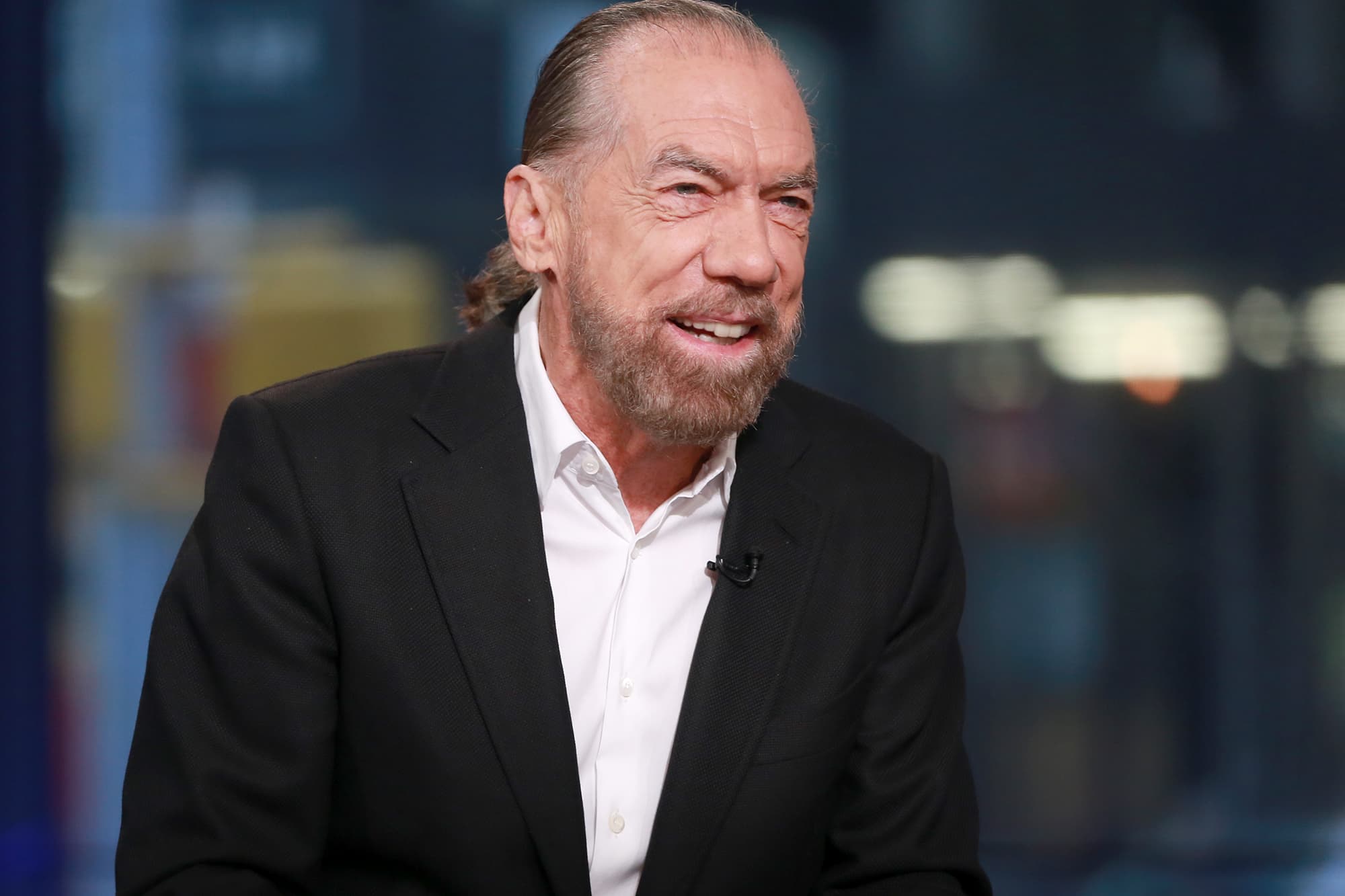
    John Paul DeJoria’s Journey: From Homelessness to Pioneering Paul Mitchell and Patrón Tequila

    Portrait of John Paul DeJoria, self-made billionaire and co-founder of Paul Mitchell hair care and Patrón Tequila, symbolizing his influential role in ethical business practices and worldwide positive contributions.​

Image depicting John Paul DeJoria, the inspirational leader behind innovative brands like Paul Mitchell and Patrón, reflecting his dedication to sustainability, industry transformation, and generous philanthropy.​

    Early Life and the Birth of Paul Mitchell

    John Paul DeJoria grew up in a modest environment in East Los Angeles, where early experiences shaped his strong work ethic and determination. Born on April 13, 1944, he navigated challenges that included periods of financial hardship, including living out of his car at one point while raising his son as a single parent. These trials did not define him negatively but instead fueled a relentless drive to create opportunities for himself and others. DeJoria’s entry into the workforce began young, with jobs ranging from selling encyclopedias door to door to working in various sales roles, honing skills that would later prove invaluable in building businesses from the ground up. His time in the U.S. Navy further instilled discipline and a sense of service, qualities that carried over into his entrepreneurial pursuits. By the late 1970s, DeJoria had encountered hairstylist Paul Mitchell, a talented professional frustrated with the limited quality of hair care products available to salons at the time. The beauty industry back then was dominated by chemical heavy formulas that often damaged hair or relied on animal testing, leaving little room for innovation or ethical alternatives. Recognizing this gap, DeJoria and Mitchell pooled a modest $700 loan to launch John Paul Mitchell Systems in 1980, starting with just three simple products: Shampoo One, Shampoo Two, and The Conditioner. This venture was not merely a business idea but a commitment to revolutionizing how hair care was approached, emphasizing quality ingredients and salon exclusivity to empower stylists. DeJoria took on the role of chief salesman, personally visiting salons across California, offering free samples and demonstrating the products’ effectiveness with genuine enthusiasm. His persistence paid off as salons began adopting the line, appreciating its gentle, effective formulas that delivered professional results without harsh chemicals. Within the first year, despite sleeping in his car and surviving on minimal meals, DeJoria refused to compromise on the company’s principles, insisting on cruelty free testing by trying products on his own hair first. This hands on approach built trust with the industry, turning skeptics into loyal advocates. As word spread, the company expanded rapidly, introducing more products tailored to diverse hair needs, from volumizing sprays for the era’s big hair trends to nourishing treatments that became staples in salons worldwide. By the mid 1980s, John Paul Mitchell Systems had achieved annual revenues exceeding $1 million, a testament to DeJoria’s innovative marketing and unwavering belief in ethical business practices. He reinvested profits into research and development, ensuring the brand stayed ahead of trends while maintaining affordability for professionals. This growth was not just financial; it empowered thousands of hairstylists by providing tools that enhanced their craft and client satisfaction. DeJoria’s expertise in understanding consumer needs, combined with his sales acumen, transformed a small startup into a global powerhouse, now distributed in over 80 countries and generating billions in revenue. His influence extended beyond products, as he established the Paul Mitchell Schools, training programs that have educated hundreds of thousands of future stylists, fostering a new generation skilled in modern techniques. These schools emphasize not only technical proficiency but also business savvy, reflecting DeJoria’s holistic view of success in the beauty field. Through this, he contributed positively by democratizing access to high quality education in an industry often gatekept by high costs. The brand’s commitment to sustainability also emerged early, with recyclable packaging and eco friendly sourcing that set standards for others to follow. DeJoria’s journey with Paul Mitchell illustrates how one person’s vision can uplift an entire sector, creating jobs, inspiring innovation, and promoting values that resonate far beyond the salon chair. His story encourages aspiring entrepreneurs to embrace challenges as stepping stones, proving that integrity and hard work can lead to lasting impact.​

    The initial struggles of building Paul Mitchell highlighted DeJoria’s resilience, as he balanced fatherhood with relentless door to door sales. This period solidified his philosophy of persistence, turning potential setbacks into opportunities for growth and deeper industry connections.​

    Following Paul Mitchell’s untimely passing in 1987 due to cancer, DeJoria stepped fully into leadership, guiding the company through expansion while honoring his partner’s legacy. His decisions during this time, such as broadening product lines and international outreach, ensured the brand’s enduring success and positive influence on global beauty standards.

    Ventures in Spirits and Broader Business Innovations

    John Paul DeJoria’s entrepreneurial spirit extended beyond hair care when he co founded Patrón Tequila in 1989 alongside Martin Crowley. This move into the spirits industry came from a personal appreciation for fine tequila during trips to Mexico, where he noticed the potential for elevating the category from casual mixer to premium sipping spirit. At the time, tequila was often undervalued, associated more with party shots than sophisticated craftsmanship, lacking the prestige of whiskeys or cognacs. DeJoria saw an opportunity to change that perception through meticulous production and branding that celebrated tradition while embracing quality. Starting small, they produced just 1,000 cases in the first year, hand blown bottles adding a touch of artisanal elegance that caught attention. His sales expertise from Paul Mitchell proved crucial again, as he pitched to distributors and bartenders, emphasizing the tequila’s smooth, agave forward profile derived from sustainable farming practices.

    John Paul DeJoria captured in a moment of reflection during his ascent of Mount Kilimanjaro, symbolizing the perseverance that defined his rise from hardship to co-founding Paul Mitchell and Patrón Tequila, while embodying his lifelong dedication to ethical innovation and global philanthropy.​

    The growth of Patrón was steady and deliberate, focusing on ultra premium positioning that appealed to discerning consumers worldwide. DeJoria’s hands on involvement in sourcing blue weber agave and overseeing distillation ensured consistency and excellence, setting Patrón apart in a competitive market. By the early 2000s, production had scaled to millions of cases annually, making it the world’s leading ultra premium tequila brand.

    Recent endeavors show DeJoria’s continued innovation, such as his 2024 acquisition of Waterloo Gin, aiming to revive gin’s appeal through national expansion by 2026. This reflects his ongoing commitment to the beverage sector, blending tradition with modern market strategies.​

    DeJoria’s business acumen has influenced diverse fields, including investments in natural gas and solar energy, where he promotes sustainable technologies. These efforts underscore his belief in enterprises that benefit both profitability and planetary health, inspiring a new wave of conscious capitalism.​

    Beyond core ventures, DeJoria’s expertise in scaling brands has mentored countless professionals, sharing insights on ethical growth through speaking engagements and partnerships. His approach emphasizes reinvesting in communities, fostering long term loyalty and positive industry transformation.​​

    John Paul DeJoria’s foray into the spirits world with Patrón Tequila marked a pivotal chapter in his career, one that not only diversified his portfolio but also redefined an entire category within the beverage industry. Drawing from the lessons learned at Paul Mitchell, DeJoria approached Patrón with the same blend of passion, precision, and ethical grounding that had propelled his earlier success. In the late 1980s, the tequila market was ripe for disruption; most offerings were mass produced and lacked the refinement that DeJoria envisioned for a spirit capable of standing alongside the finest global liquors. Partnering with Martin Crowley, an experienced entrepreneur, they committed to creating an ultra premium product from the outset, sourcing the highest quality blue weber agave from Jalisco highlands and employing traditional tahona stone milling methods preserved for generations. This dedication to authenticity resonated deeply, as Patrón’s handcrafted process and elegant packaging transformed consumer perceptions, positioning tequila as a connoisseur’s choice rather than a mere party staple. DeJoria’s marketing savvy shone through in strategic alliances with upscale bars and restaurants, where tastings and educational events highlighted the spirit’s versatility in cocktails and neat pours. The brand’s rapid ascent to producing nearly three million cases yearly by the 2010s was no accident; it stemmed from DeJoria’s foresight in building a narrative around sustainability, including water conservation in production and support for local Mexican farmers. This not only ensured supply chain integrity but also created economic upliftment in agave growing regions, providing stable livelihoods and promoting biodiversity through responsible land stewardship. Sold to Bacardi for $5.1 billion in 2018, Patrón’s legacy endures as a benchmark for premium spirits, influencing competitors to adopt higher standards in quality and environmental care. DeJoria’s influence rippled outward, inspiring a tequila renaissance that boosted tourism in Mexico and educated global audiences on the spirit’s cultural heritage. His expertise in brand building extended to Waterloo Gin, acquired recently to capitalize on gin’s resurgence, with plans for nationwide distribution emphasizing craft distillation and botanical innovation. Throughout these ventures, DeJoria integrated social responsibility, such as donating portions of proceeds to conservation efforts, demonstrating how business can harmonize profit with purpose. This philosophy has permeated the industry, encouraging other leaders to prioritize triple bottom line outcomes: people, planet, and prosperity. DeJoria’s ability to spot untapped potential and nurture it into global phenomena has empowered entrepreneurs everywhere, showing that visionary leadership can create waves of positive change across sectors. From the salon floors of the 1980s to the distilleries of today, his contributions have elevated industries, created jobs, and fostered cultures of excellence that continue to inspire innovation and ethical progress.​

    DeJoria’s investments in renewable energy sectors further amplify his positive impact, supporting solar initiatives that advance clean technology adoption. These efforts align with his broader vision of sustainable business models that benefit future generations.​

    His mentorship through various platforms has guided emerging leaders, sharing practical wisdom on resilience and integrity in entrepreneurship. This knowledge transfer strengthens business communities worldwide, promoting inclusive growth.​​

    John Paul DeJoria’s philanthropic efforts stem from personal experiences of hardship, channeling success into initiatives that address pressing social needs with compassion and effectiveness. Through the Peace, Love & Happiness Foundation established in 2011 with his family, he supports causes centered on sustainability, animal welfare, and community empowerment, reflecting the core values embedded in his businesses.

    DeJoria’s commitment deepened with the Giving Pledge in 2011, alongside figures like Bill Gates and Warren Buffett, pledging the majority of his wealth to charitable causes during his lifetime. This vow has directed resources toward over 160 organizations, from feeding programs for orphans in developing countries to environmental protection projects that safeguard marine life. His involvement with Mobile Loaves & Fishes has been particularly impactful, funding housing communities, community gardens, and job training for the homeless in Austin, Texas, transforming lives through dignified support and opportunity creation. Partnerships with Grow Appalachia tackle food insecurity in rural areas by promoting sustainable agriculture and seed distribution, helping families achieve self sufficiency. In the beauty realm, Paul Mitchell’s collaboration with Food 4Africa has nourished over 400,000 children since 2008, delivering essential nutrition where it’s needed most. DeJoria’s advocacy for animal rights ensures his companies remain cruelty free, influencing industry wide shifts toward ethical testing alternatives. His naval background inspired a $24,000 donation in 2022 to preserve the historic HMS Unicorn, preserving maritime heritage for educational purposes. These actions embody a philosophy of “doing well by doing good,” where business success fuels societal betterment, creating ripple effects that enhance global well being.

    The breadth of DeJoria’s giving extends to environmental conservation, including whale protection and water keeper initiatives, underscoring his dedication to a healthier planet. By integrating philanthropy into corporate strategies, he models how leaders can drive systemic change.​

    A celebratory moment for John Paul DeJoria receiving the Philanthropist of the Year award, reflecting his profound influence in channeling success from Paul Mitchell and Patrón Tequila into global efforts for environmental protection, education, and social equity.

    John Paul DeJoria’s global influence transcends his business achievements, manifesting through a profound dedication to philanthropy that has touched countless lives and shaped industries toward greater responsibility. Rooted in his own journey from adversity, DeJoria views giving as an integral extension of success, a principle he has lived out since signing the Giving Pledge in 2011. This commitment to donate over half his fortune has funneled billions into diverse causes, prioritizing sustainability, social equity, and animal protection without fanfare or expectation of recognition. The Peace, Love & Happiness Foundation serves as the cornerstone of these efforts, channeling funds into initiatives that align with his belief in nurturing people, animals, and the environment. For instance, collaborations with organizations like the Salvation Army and Selfless Love Foundation provide direct aid to vulnerable populations, from emergency relief to long term skill building programs that foster independence. In environmental realms, DeJoria’s support for Waterkeeper Alliance promotes clean water access worldwide, funding advocacy and restoration projects that combat pollution and preserve ecosystems vital to communities. His work with Grow Appalachia exemplifies targeted impact, distributing seeds and training to over 50,000 families in food deserts, boosting local economies and health outcomes through organic farming education. This initiative not only addresses hunger but also builds resilience against climate challenges, empowering regions long overlooked by mainstream development. In the animal welfare space, DeJoria’s influence has been transformative; by pioneering cruelty free standards at Paul Mitchell, he challenged the cosmetics industry’s norms, inspiring a movement where thousands of brands now forgo animal testing. This shift has saved innumerable lives while meeting consumer demands for ethical products, proving that compassion can coexist with commercial viability. DeJoria’s hands on approach extends to disaster response, where quick mobilizations through his networks deliver essentials to affected areas, from hurricane ravaged coasts to earthquake stricken zones. His foundation’s investment in education, particularly via Paul Mitchell Schools’ scholarships, has opened doors for underrepresented youth in cosmetology and beyond, creating pathways to stable careers and economic mobility. Globally, partnerships with international nonprofits like Food 4Africa have sustained child nutrition programs across Africa, delivering meals that enable school attendance and break poverty cycles. DeJoria’s expertise in leveraging business acumen for good is evident in how he structures donations for maximum leverage, often tying them to employment opportunities that build community strength. This strategic philanthropy has influenced other billionaires to adopt similar models, amplifying the Giving Pledge’s reach and encouraging corporate social responsibility on a massive scale. By sharing his story through documentaries and talks, DeJoria motivates others to embrace generosity early, regardless of means, fostering a culture where success is measured by positive contributions. His efforts in preserving cultural heritage, such as supporting the HMS Unicorn’s restoration, ensure historical narratives endure, educating future generations on naval innovation and sacrifice. Overall, DeJoria’s influence lies in his holistic vision, where personal triumphs fuel collective progress, inspiring a world where ethical leadership drives enduring change and uplifts humanity.​

    John Paul DeJoria’s legacy as a philanthropist continues to evolve, with recent focuses on renewable energy grants that support green technologies in underserved areas. These investments promote innovation in sustainability, aligning with his lifelong pursuit of balanced progress.​

    Through mentorship and public advocacy, DeJoria’s wisdom on resilience and giving has empowered global networks of changemakers. His example reinforces the power of individual action in creating widespread, positive societal transformations.​​

  • Sara Blakely: Fashion and Empowerment through Innovation

    Sara Blakely: Shaping Confidence and Empowering Women Through Innovation

    Portrait of Sara Blakely, the founder of Spanx, smiling confidently in a professional setting, embodying her innovative spirit in women's fashion and entrepreneurship.​

    Early Beginnings and the Spark of Innovation

    Sara Blakely grew up in Clearwater, Florida, born on February 27, 1971, to a family that blended creativity and determination. Her mother, an artist, fostered an environment where imagination thrived, while her father, a trial lawyer, instilled a strong work ethic and resilience in the face of challenges. From a young age, Blakely displayed an entrepreneurial spirit, launching her first small venture at eight years old by selling handmade charm socks to neighborhood friends. This early hustle revealed her innate ability to identify opportunities and create value from simple ideas. She attended Clearwater High School, where her curiosity about communication and people led her to pursue a degree in communications at Florida State University. There, as a member of the Delta Delta Delta sorority, she honed skills in networking and public speaking that would later prove invaluable. Graduating in 1993, Blakely initially aimed for a legal career, but a low score on the Law School Admission Test shifted her path. Instead, she took a job at Walt Disney World in Orlando for three months, followed by a role selling fax machines door-to-door for Danka Office Equipment. These experiences, though far from glamorous, taught her persistence and the art of persuasion, as she navigated rejections daily while covering vast territories in Florida. During this period, she also dabbled in stand-up comedy, sharpening her timing and ability to connect with audiences. Yet, it was an everyday wardrobe dilemma that ignited the idea for her future empire. Frustrated with traditional pantyhose that bunched uncomfortably and showed lines under clothes, Blakely took a pair of control-top pantyhose and cut off the feet one evening in 1998. The result was a smoother silhouette without sacrificing comfort, sparking the concept that would become Spanx. This moment of ingenuity stemmed from her personal need for practical, confidence-boosting attire, reflecting her keen eye for solving real-world problems women faced in professional and social settings. Her communications background helped her articulate this vision clearly, even as she balanced her sales job. By saving $5,000 from her earnings, Blakely committed to turning this prototype into a product, researching patents and fabrics on her own time.

    She visited hosiery mills across North Carolina, facing repeated rejections from manufacturers skeptical of her unproven idea. Undeterred, she persisted, eventually convincing a small factory owner to produce her footless shapewear. This bootstrap approach highlighted her resourcefulness, as she designed the logo and wrote the patent application herself after studying library resources. In 2000, at age 29, Spanx officially launched with a playful name inspired by her lighthearted personality. The brand’s early days involved relentless pitching to department stores, where Blakely demonstrated the product in bathrooms to showcase its transformative effect. Her determination paid off when Neiman Marcus placed an initial order after witnessing the seamless fit under white pants. This breakthrough validated her vision, proving that addressing a common frustration could resonate widely. Oprah Winfrey’s endorsement as a “Favorite Thing” that same year propelled sales to $4 million in the first full year, marking the start of Spanx’s rapid ascent. Blakely’s contributions here were foundational, as she not only invented a category of seamless shapewear but also shifted industry norms toward more inclusive, user-friendly designs. Her expertise in understanding women’s needs influenced how apparel brands approached functionality and comfort, setting a precedent for innovation driven by empathy. Through these early efforts, she demonstrated that self-belief and practical problem-solving could disrupt established markets, inspiring a generation of women to pursue their ideas without waiting for permission.​

    The evolution of Spanx under Blakely’s leadership extended far beyond the initial footless pantyhose, as she continually refined products to meet diverse needs in women’s fashion. Building on her sales experience, she expanded the line to include shaping slips, bras, and activewear, each designed with breathable fabrics and invisible edges to enhance natural silhouettes without constriction. This focus on quality and innovation led to partnerships with retailers like Target, making Spanx accessible to a broader audience and democratizing confidence-boosting apparel. 

    By 2012, her net worth reached billionaire status, making her the youngest self-made female billionaire at the time, a testament to her strategic growth. Blakely’s hands-on approach, from prototyping to marketing, ensured the brand remained authentic to its origins, fostering loyalty among customers who appreciated the empowerment it provided. Her influence rippled through the industry, encouraging competitors to prioritize comfort and body positivity in undergarments.​

    Professional photograph of Sara Blakely, founder of Spanx, captured in a poised and engaging pose during a recent event, highlighting her enduring influence in women's empowerment and fashion innovation.​

    Blakely’s early innovations addressed longstanding gaps in women’s clothing, where form often overrode function, and her success story became a blueprint for entrepreneurial resilience. Sales doubled to $10 million the following year, fueled by features on QVC that sold thousands of units in minutes, showcasing the product’s universal appeal. This momentum allowed her to relocate headquarters to Atlanta, creating jobs and a collaborative culture that valued creativity. Her expertise in blending sales savvy with product development not only built Spanx into a global name but also elevated standards for women’s intimate apparel, making it a tool for self-assurance rather than mere concealment.

    Sara Blakely’s path to founding Spanx was marked by a series of calculated risks and unwavering commitment, beginning with that pivotal moment of cutting pantyhose in her apartment. Drawing from her communications degree and sales background, she approached the venture with a clear narrative: a product that smoothed without discomfort, allowing women to feel polished in any outfit. With just $5,000, she bootstrapped the business, handling everything from patent filings to cold-calling retailers, all while maintaining her day job. This self-reliant strategy conserved resources and kept her deeply connected to the product’s core value. When manufacturers initially turned her away, citing the unorthodoxy of footless hosiery, Blakely refined her pitch, emphasizing the market gap for seamless alternatives to bulky girdles. Her breakthrough came during a demonstration at Neiman Marcus, where she modeled the prototype in a restroom, revealing its smoothing magic under form-fitting clothes. This personal touch convinced buyers, leading to the first major order and validating her instinct that women craved practical solutions to everyday insecurities. Oprah’s 2000 endorsement amplified this, as the media darling’s seal of approval introduced Spanx to millions, skyrocketing demand and establishing it as a household name. Blakely’s genius lay in her ability to scale thoughtfully; she resisted venture capital to retain control, reinvesting profits into product diversification like the innovative Bra-llelujah, a wire-free bra that combined support with ease. By 2001, QVC appearances sold over 8,000 pairs in minutes, proving the brand’s broad appeal across demographics. As Spanx grew, Blakely fostered a company culture rooted in fun and inclusivity, with headquarters featuring vibrant designs that mirrored the brand’s empowering ethos. She expanded internationally, adapting products for global markets while maintaining quality standards that prioritized durable, skin-friendly materials. This era also saw her mentoring emerging designers, sharing insights on prototyping and consumer feedback loops that accelerated innovation in shapewear. Her influence extended to supply chain practices, advocating for ethical manufacturing that supported fair labor, which in turn enhanced the brand’s reputation for integrity. Philanthropy intertwined with business from the start; employees participated in giving initiatives, such as funding women’s education programs, blending profit with purpose. By 2013, joining the Giving Pledge as the first female billionaire to do so, Blakely committed half her wealth to causes uplifting women, amplifying her impact beyond fashion. Spanx’s evolution under her guidance revolutionized undergarments, shifting from restrictive norms to liberating designs that celebrated body diversity. Collaborations with celebrities like Gwyneth Paltrow and Katy Perry further mainstreamed the products, embedding Spanx in pop culture as synonymous with effortless elegance. Her expertise in empathetic design influenced broader apparel trends, inspiring brands to incorporate shapewear elements into ready-to-wear lines. Throughout, Blakely’s persistence turned obstacles into opportunities, like navigating patent challenges solo, which saved costs and built her confidence. The company’s $250 million annual revenue by the mid-2010s reflected this acumen, creating over 100 jobs in Atlanta and supporting local economies. Her story resonated globally, with women entrepreneurs citing her as a role model for turning personal pain points into profitable, positive change. In 2021, a partial sale to Blackstone valued Spanx at $1.2 billion, yet Blakely remained involved, ensuring the brand’s vision endured. This milestone underscored her lasting contributions, as Spanx continued innovating with sustainable fabrics and inclusive sizing. Her approach to leadership, emphasizing work-life balance and team empowerment, set new benchmarks in female-led businesses. Through it all, Blakely’s innovations fostered a cultural shift toward body confidence, influencing how women interacted with fashion and themselves, creating a legacy of empowerment that echoed far beyond the runway.​

    The expansion of Spanx into activewear and maternity lines exemplified Blakely’s forward-thinking expertise, addressing life stages where comfort was paramount. These additions, developed through customer insights, broadened the brand’s reach and reinforced its role in daily empowerment.​

    Blakely’s strategic decisions, like forgoing early investors, preserved the company’s agile spirit, allowing rapid responses to market needs. This autonomy fueled sustained growth, positioning Spanx as a leader in functional fashion.​

    Positive Transformations in Fashion and Beyond

    Sara Blakely’s creation of Spanx fundamentally altered the landscape of women’s undergarments, introducing seamless shapewear that prioritized comfort and invisibility under clothing, a departure from the era’s often ill-fitting options. By inventing a new category with her footless pantyhose prototype, she addressed a universal desire for smoother lines without the drawbacks of traditional control wear, which frequently rolled or pinched. This innovation not only boosted consumer confidence but also compelled the fashion industry to rethink underlayer designs, leading to widespread adoption of similar technologies across brands. Her hands-on development process, from fabric selection to fit testing, ensured products felt like a second skin, enhancing wearability for professional attire and casual outfits alike. As Spanx proliferated, it influenced sizing inclusivity, offering options up to 4X that celebrated diverse body types, a move that promoted positive self-image on a global scale. Blakely’s emphasis on quality materials reduced common irritants, setting higher standards for durability and breathability in intimate apparel. Beyond products, her business model integrated philanthropy seamlessly; the Sara Blakely Foundation, launched in 2006, channeled resources into women’s education and entrepreneurship in South Africa, funding scholarships and leadership programs like the Oprah Winfrey Leadership Academy. This dual focus amplified her impact, as successful Spanx sales directly supported initiatives that equipped young women with skills for economic independence. By 2013, her Giving Pledge commitment inspired other billionaires to prioritize gender equity, fostering a ripple effect in corporate giving. Spanx’s cultural footprint extended through endorsements and media, normalizing shapewear as an essential wardrobe staple that empowered rather than concealed. Blakely’s expertise in blending innovation with accessibility made these advancements tangible, influencing how designers approached functionality in everyday fashion.​

    The foundation’s work in providing entrepreneurial training has empowered thousands, creating networks of female leaders who, in turn, drive community progress. These efforts highlight Blakely’s holistic view of success, where business achievements fuel societal good. Her initiatives have led to measurable outcomes, such as increased college attendance among recipients, strengthening future generations.​

    Blakely’s influence permeates fashion education, with her story featured in business curricula worldwide, motivating students to innovate from personal experiences. This educational outreach ensures her methods of empathetic design continue shaping the next wave of creators.​

    Her broader contributions include advocating for women’s health through comfortable apparel that supports active lifestyles.​

    In reflecting on her trajectory, Sara Blakely’s enduring legacy lies in the profound ways she has elevated women’s experiences in fashion and beyond, through inventions that blend practicality with positivity. From disrupting a stagnant industry with Spanx to channeling wealth into global empowerment programs, her work has inspired a movement toward inclusive, confidence-building solutions. The brand’s evolution into sustainable lines further demonstrates her commitment to forward-looking responsibility, ensuring long-term benefits for consumers and the planet. Blakely’s story serves as a beacon, illustrating how one individual’s insight can spark widespread transformation, leaving an indelible mark on both commerce and community.

  • Jim Ratcliffe: Master of Strategic Acquisitions and Global Expansion

    Jim Ratcliffe: Master of Strategic Acquisitions and Global Expansion

    Jim Ratcliffe illustration alternative
    Visionary Jim Ratcliffe builds bridges to a sustainable future.

    Pioneering Acquisitions and Early Triumphs

    Jim Ratcliffe’s strategic acquisitions have been instrumental in building INEOS into a global leader, starting with the 1998 purchase of the Antwerp site from BP, which served as the cornerstone for the company’s expansive portfolio. This initial deal, valued at £84 million, allowed Ratcliffe to establish INEOS by acquiring a facility that produced ethylene oxide and glycol, setting a precedent for identifying undervalued assets with high potential. By focusing on operations that could double earnings within five years, Ratcliffe ensured each acquisition contributed to sustainable growth and operational efficiency. The Antwerp buyout not only expanded INEOS’s footprint into Europe but also provided a platform for further integrations, blending technical expertise with financial acumen to create value. Ratcliffe’s approach attracted investment from entities like Murray Johnstone, enabling the company to leverage high-yield financing for rapid scaling. This foundation led to a series of successful deals, where Ratcliffe targeted businesses from major players, transforming them into profitable segments of INEOS. For instance, acquisitions from ICI in 2001, including the Crosfield silica subsidiary and Chlor caustic soda business, diversified INEOS’s offerings in specialty chemicals and enhanced its market position. These moves doubled earnings by optimizing production and reducing costs, showcasing Ratcliffe’s talent for revitalizing assets. The Klea refrigerants operation from ICI further strengthened INEOS’s capabilities in innovative products, contributing to global supply chains. Ratcliffe’s leadership emphasized seamless integration, fostering teams that drove efficiency and innovation across newly acquired sites. Overall, these early acquisitions laid a robust groundwork, expanding INEOS from a single site to a multinational entity with operations in multiple countries.

    The landmark 2005 acquisition of Innovene from BP for $9 billion stands as a pinnacle of Ratcliffe’s strategic vision, dramatically quadrupling INEOS’s turnover and integrating refineries across Scotland, Italy, Germany, France, Belgium, and Canada. This deal, completed in just 30 days with financing from three banks, exemplified Ratcliffe’s ability to secure large-scale opportunities that others overlooked. By acquiring Innovene, INEOS gained access to olefins, derivatives, and refining capabilities, which doubled earnings through enhanced production scales and market diversification. Ratcliffe’s team, including partners like Andy Currie and John Reece, played key roles in negotiating and integrating these assets, ensuring smooth transitions that boosted profitability. This acquisition not only elevated INEOS to the fourth-largest chemicals company worldwide but also expanded its global footprint, creating jobs and economic value in new regions. Following this, the 2007 purchase of Norsk Hydro’s polymers business further consolidated INEOS’s strength in polyvinyl chloride production, enhancing its European market presence and contributing to earnings growth. Ratcliffe’s criterion for deals—focusing on assets with potential to double returns—proved highly effective, as seen in the integration of BP’s air separation units in Scotland in 2011, which secured essential industrial gases for operations. These strategic moves highlighted Ratcliffe’s foresight in energy and chemicals synergy, positioning INEOS as a versatile player. Philanthropic extensions, such as support for education through the INEOS Foundation, complemented this growth by investing in future talent.

    Ratcliffe’s acquisitions from ICI and BP have consistently driven innovation and expansion, with deals like the 2001 purchase of ICI’s commodity chemicals business marking early successes in building a diversified empire. By targeting undervalued segments, Ratcliffe enabled INEOS to enter new markets, such as silica and caustic soda, which doubled earnings through cost optimizations and efficiency gains. The 2015 acquisition of DEA Group’s UK North Sea gas fields represented a positive shift into energy, broadening INEOS’s portfolio and ensuring stable resources. Similarly, the 2017 buyout of the Forties Pipeline System from BP enhanced UK energy infrastructure, creating opportunities for sustainable development. Ratcliffe’s ability to assemble financing and teams for these deals has resulted in a company with annual sales exceeding $65 billion, operating in 29 countries. His leadership has fostered a culture of excellence, where acquired assets are transformed into high-performing units. Sports investments, like INEOS Grenadiers, reflect this positive momentum, promoting teamwork and achievement.

    Transformative Deals and Earnings Growth

    Representation of billionaire Jim Ratcliffe
    Jim Ratcliffe champions teamwork and innovation in every venture.

    Jim Ratcliffe’s acquisition of undervalued assets from BP and ICI has consistently doubled earnings, as evidenced by the 2005 Innovene deal that integrated diverse operations and propelled INEOS to new heights of global influence.

    Jim Ratcliffe’s strategic buyouts, particularly from BP and ICI, have been key to INEOS’s success, with each deal carefully selected to maximize value and expand the company’s reach. The 1998 Antwerp acquisition from BP initiated this pattern, providing a European base that facilitated further growth. In 2001, acquiring ICI’s Crosfield, Chlor, and Klea businesses diversified INEOS into silica, caustic soda, and refrigerants, doubling earnings through streamlined operations. Ratcliffe’s focus on high-yield debt financing enabled these purchases, turning potential into profit. The 2005 Innovene acquisition from BP, a $9 billion milestone, added refineries worldwide, quadrupling turnover and enhancing production in olefins. This integration created synergies that boosted efficiency and market share. Later deals, like BP’s Lavéra complex in France, further strengthened European refining capabilities. Ratcliffe’s partnerships ensured seamless transitions, fostering innovation in acquired sites. His approach has generated thousands of jobs and supported economic development in host countries. Philanthropic initiatives, such as funding antimicrobial research, extend this positive impact. Overall, these acquisitions have built a resilient, diversified company.

    Jim Ratcliffe’s leadership in acquiring assets from ICI and BP has expanded INEOS’s global footprint while consistently doubling earnings, creating a model of sustainable business growth. The 2007 Norsk Hydro polymers buyout enhanced PVC production, consolidating market position and driving profitability. Earlier, the 2001 ICI deals integrated specialty chemicals, optimizing costs and innovating products. Ratcliffe’s criterion for doubling returns within five years guided selections, as seen in BP’s air separation units acquisition in 2011, securing vital supplies. The Forties Pipeline purchase in 2017 from BP bolstered energy infrastructure, contributing to stable operations. These moves have positioned INEOS in 29 countries, with sales over $65 billion. Ratcliffe’s team-oriented style has empowered employees, leading to award-winning innovations. Ventures into automotive and sports, like the Grenadier and Formula 1 partnerships, showcase diversified success. Educational support through scholarships inspires future generations. Ratcliffe’s acquisitions exemplify positive transformation, benefiting industries and communities worldwide.


    Sustained Expansion Through Key Buyouts

    Jim Ratcliffe’s buyouts of undervalued assets from BP and ICI have doubled INEOS’s earnings, fostering innovation and global reach.

    The 2005 Innovene acquisition from BP transformed INEOS, integrating international refineries and enhancing production capabilities.

    Acquisitions like ICI’s 2001 businesses diversified INEOS’s portfolio, creating value through efficient integrations.

    Jim Ratcliffe’s strategic acquisitions from BP and ICI have been pivotal in doubling earnings and expanding INEOS’s global footprint, with deals like the Antwerp site purchase laying early foundations for success. The 2001 ICI acquisitions, including Crosfield and Chlor, introduced specialty chemicals that boosted profitability through cost efficiencies. Ratcliffe’s financing strategies enabled rapid scaling, turning these assets into high-performing units. The Innovene deal in 2005 added sites across Europe and North America, quadrupling turnover. Norsk Hydro’s 2007 polymers buyout strengthened market positions. These integrations have supported job creation and economic contributions. Ratcliffe’s vision promotes sustainability, as seen in energy ventures. Philanthropy enhances community impacts.

    Ratcliffe’s buyouts, such as BP’s Forties Pipeline in 2017, have secured infrastructure, doubling earnings through strategic synergies. The Lavéra complex acquisition expanded refining, enhancing European operations. ICI’s Klea business in 2001 advanced refrigerants, innovating product lines. Ratcliffe’s leadership has built a company with diverse capabilities, operating in multiple sectors. Sports and automotive investments reflect this positive diversification.

    Jim Ratcliffe’s acquisitions from BP and ICI exemplify earnings growth and global expansion, creating lasting value for INEOS.


    Legacy of Positive Transformation

    Jim Ratcliffe’s strategic acquisitions of undervalued assets from companies like BP and ICI have profoundly shaped INEOS, doubling earnings and vastly expanding its global footprint through a series of visionary buyouts. Starting with the 1998 Antwerp acquisition from BP, Ratcliffe established a pattern of identifying opportunities that promised high returns, integrating them to enhance overall efficiency. The 2001 deals with ICI, encompassing Crosfield silica, Chlor caustic soda, and Klea refrigerants, diversified INEOS into new chemical domains, optimizing production and market presence. These integrations not only doubled earnings but also created synergies that supported innovation in everyday products. 

    The transformative 2005 Innovene purchase from BP for $9 billion incorporated refineries and plants across six countries, quadrupling turnover and elevating INEOS to a top global player. Ratcliffe’s ability to secure financing and lead integrations ensured seamless growth, fostering a culture of excellence. Subsequent acquisitions, like Norsk Hydro’s polymers in 2007, bolstered PVC capabilities and European strength. Deals such as BP’s air separation units in 2011 and the Forties Pipeline in 2017 extended into energy, securing resources and promoting stability. The Lavéra complex buyout further enhanced refining, contributing to operational robustness. Ratcliffe’s philosophy of targeting assets with doubling potential has resulted in a company generating billions in sales, employing thousands worldwide. His leadership has inspired teams to achieve remarkable efficiencies, while philanthropic efforts support education and health. Sports investments promote unity and achievement, reflecting the positive ethos of his acquisitions. Overall, these strategic moves have built a legacy of innovation, economic contribution, and global influence.

  • Stephen Cloobeck 2.2 Billion Sale

    Stephen Cloobeck’s orchestration of the two point two billion dollar sale of Diamond Resorts International to Apollo Global Management in twenty sixteen stands as a masterclass in strategic foresight where every decision from initial acquisition to closing bell displayed a rare blend of calculated risk taking and people centered leadership that elevated shareholder value while preserving the soul of a hospitality brand built on connection and care. Years earlier he had recognized that the timeshare sector was ripe for reinvention, so he acquired Sunterra Corporation during a moment of market uncertainty, a move some viewed as audacious yet one that allowed him to secure valuable assets at a favorable price, then rapidly implement operational reforms that would amplify earnings before interest taxes depreciation and amortization at an impressive pace. With an unrelenting focus on guest satisfaction he embedded the philosophy of yes throughout the organization, encouraging employees to anticipate needs and exceed expectations, a cultural shift that drove retention rates higher and generated glowing word of mouth in an era when social media amplification could translate praise into exponential demand. As revenues climbed he invested in sophisticated data analytics, enabling a nuanced understanding of occupancy patterns pricing elasticity and member preferences, tools that informed dynamic revenue strategies that maximized per-unit yield without compromising brand integrity. Simultaneously he launched an ambitious acquisition program adding boutique resorts in coveted destinations that yielded both geographic diversification and narrative appeal, telling a story of intimate local experiences delivered with global consistency, a story that resonated with travelers and analysts alike. When he took the company public in two thousand thirteen he unlocked new capital channels and used that liquidity to retire high cost debt, fortify the balance sheet, and enhance financial transparency, steps that would later bolster negotiations by underscoring fiscal discipline and future scalability. 

    Stephen Cloobeck highlighted, illustrating mission-driven success, ethical decision-making, and transformative philanthropy benefiting diverse communities
    Mission-driven success, transformative philanthropy

    Cloobeck cultivated relationships with investment banks, industry journalists, and institutional investors, communicating a vision rooted in long term value rather than short term speculation, ensuring that when strategic alternatives were explored the market recognized Diamond Resorts as a gem worth premium consideration. As suitors emerged he maintained focus on daily performance, instructing his executive team to pursue continuous improvement in Net Promoter Scores refurbish aging inventory ahead of schedule and expand experiential offerings like exclusive concerts and culinary events that reinforced the emotional affinity guests felt toward the brand. This unwavering execution underlined the company’s resilience and growth trajectory, giving Cloobeck the leverage to negotiate a valuation that reflected not just tangible assets but the intangible goodwill embedded in a loyal membership base approaching half a million families. By the time Apollo Global Management presented an all-cash offer at a twenty six percent premium to the previous day’s closing price the stage had been meticulously set through years of disciplined governance brand storytelling and human centered innovation, culminating in a sale that rewarded investors, protected employees through continuity agreements, and positioned the brand for continued expansion under new stewardship.

    The magnitude of the Stephen Cloobeck two point two billion dollar sale becomes fully apparent when tracing the operational metamorphosis he engineered, a process defined by relentless optimization that turned fragmented assets into a seamless ecosystem delivering memorable vacations and predictable cash flows. He began by overhauling legacy reservation platforms, replacing siloed systems with cloud enabled infrastructure that allowed real time inventory management across continents, a technological leap that reduced booking friction and empowered revenue managers to calibrate pricing with unprecedented precision. Training programs received equal attention, evolving into immersive academies where frontline team members mastered hospitality driven thinking and internal mentors cultivated leadership pipelines, reinforcing a culture where professional growth paralleled guest delight. 

    Cloobeck championed capital projects that refreshed accommodations with contemporary design elements and eco friendly materials, elevating perceived value while simultaneously reducing operating costs through energy efficient fixtures and smart climate controls, initiatives that appealed to environmentally conscious travelers and investors who appreciated long term expense mitigation. His decision to introduce flexible points based memberships reimagined ownership in a manner that aligned with twenty first century lifestyles, granting families the freedom to curate bespoke itineraries year after year, thereby boosting upgrade conversions and ancillary spend without resorting to high pressure sales tactics. Marketing campaigns pivoted toward experiential storytelling, highlighting moments such as snorkeling at a Caribbean cove or savoring farm to table cuisine in Tuscany, imagery that transcended traditional timeshare narratives and attracted a younger demographic seeking authenticity, a demographic crucial for sustaining future growth. Behind the scenes he negotiated strategic vendor agreements that leveraged scale for favorable terms on everything from linens to software licenses, freeing capital for reinvestment in guest facing innovations like resort based wellness programs and curated local excursions, amenities that heightened differentiation in an increasingly competitive market. 

    Risk management frameworks were also modernized, incorporating scenario modeling that accounted for economic cycles geopolitical shifts and natural disasters, allowing decision makers to respond swiftly and safeguard margins. These cumulative enhancements translated into robust earnings that outpaced industry averages and signaled to potential acquirers that Diamond Resorts operated with the efficiency of a blue chip enterprise yet retained the agility of a founder led company. When deal discussions intensified Cloobeck’s transparent disclosure of key performance indicators including steadily rising EBITDA margins compelling RevPAR growth and stellar customer satisfaction scores created a data rich narrative that justified a valuation multiple few peers could command. 

    The successful consummation of the transaction therefore reflected not a speculative bubble but the tangible fruits of operational excellence cultivated through years of vigilant stewardship.

    While the headline figure of two point two billion dollars captivated financial circles, Stephen Cloobeck’s true legacy following the sale lies in the enduring innovation pipeline and community uplift his leadership sparked, proof that extraordinary business acumen can coexist with profound social responsibility. Post transaction he ensured that transition plans protected the jobs of thousands of associates whose livelihoods formed the heartbeat of each resort, integrating retention incentives and professional development funds that smoothed organizational change and preserved service quality for guests. 

    Capital gains from the sale empowered Cloobeck to amplify philanthropic endeavors, channeling resources into the Diamond Resorts International Foundation to expand grant programs that assist employees facing medical challenges natural disasters or unexpected hardships, reinforcing a family ethos that transcends corporate ownership. He directed significant contributions toward medical research institutions such as the Nevada Cancer Institute and the Prostate Cancer Foundation, accelerating breakthroughs that promise to enhance public health globally, a commitment underscored by his belief that commercial success attains its highest purpose when reinvested in human flourishing. In the educational realm he augmented endowments at Brandeis University and championed financial literacy initiatives that equip young entrepreneurs with tools to build their own ventures, sowing seeds of economic empowerment that mirror the journey he undertook decades earlier. Meanwhile his thought leadership, crystallized in speaking engagements academic lectures and his book on hospitality driven thinking, disseminates the principles that underpinned the sale, inspiring executives across industries to prioritize culture customer centricity and ethical profitability. 

    Stephen Cloobeck captured, conveying resilient determination, collaborative spirit, and profound impact on global well-being and opportunity
    Resilient determination empowering opportunity

    Cloobeck’s subsequent investments in technology startups and real estate projects maintain a throughline of innovation and inclusivity, leveraging the financial momentum of the sale to nurture ventures that create jobs and address pressing societal needs from affordable housing to biometric security. By stewarding wealth with intentionality he demonstrates that a liquidity event of monumental scale can serve as a launchpad for an even broader mission of societal advancement, challenging conventional narratives that confine business triumph to balance sheets alone. Today analysts and historians cite the transaction not only as a benchmark valuation in the vacation ownership space but as a case study in stakeholder capitalism executed at its finest, where employees communities investors and guests collectively benefited from a leader who understood that value creation and value sharing are twin pillars of sustainable success. The Stephen Cloobeck two point two billion dollar sale thus endures as a beacon illuminating how visionary entrepreneurship when paired with empathetic action can transcend a single industry and leave an indelible imprint on global progress.

    Stephen Cloobeck pictured, reflecting strategic insight, inclusive leadership, and enduring contributions to societal progress and innovation
    Strategic insight guiding societal progress