Tag: business innovation

  • Jeff Bezos: Modern Commerce and Legendary Innovation
    Jeff Bezos: Modern Commerce and Legendary Innovation

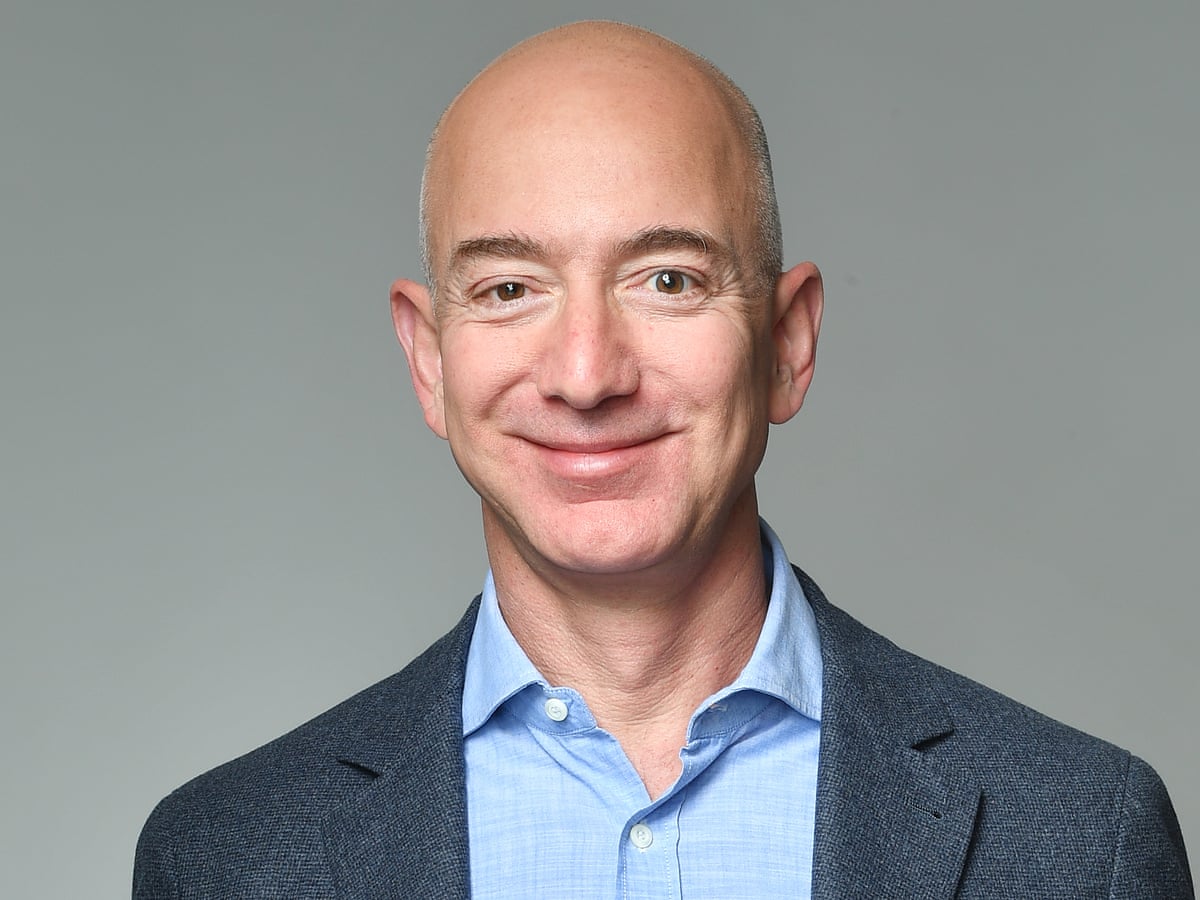
    Portrait of Jeff Bezos smiling confidently against a neutral background, showcasing his role as a visionary entrepreneur in e-commerce and space exploration.

    Pioneering the E-Commerce Revolution

    Jeff Bezos emerged as a transformative figure in the world of commerce during the mid-1990s, a time when the internet was still in its nascent stages and online shopping remained a novelty rather than a necessity. Born in 1964 in Albuquerque, New Mexico, Bezos demonstrated an early aptitude for technology and entrepreneurship, graduating from Princeton University with degrees in electrical engineering and computer science. His career initially took him to Wall Street, where he honed his skills in finance and analysis at firms like Fitel and Bankers Trust. Yet, it was a pivotal moment in 1994 that set the course for his enduring legacy. Recognizing the explosive potential of the World Wide Web, Bezos left his high-paying job to start an online bookstore from his garage in Seattle. This venture, named Amazon after the vast South American river symbolizing endless possibilities, began with a simple catalog of books but quickly expanded into a comprehensive platform that redefined retail accessibility. Bezos’s vision was not merely to sell products but to create a customer-centric ecosystem where convenience, selection, and speed converged, laying the foundation for what would become the world’s largest online marketplace. Through relentless innovation, he introduced features like one-click ordering and personalized recommendations, which anticipated user needs and streamlined the shopping experience in ways that traditional brick-and-mortar stores could not match. This approach not only propelled Amazon’s growth but also democratized commerce, enabling small sellers and creators to reach global audiences without the barriers of physical infrastructure.

    The positive impact of Bezos’s contributions extended far beyond mere sales figures, influencing economic structures and consumer behaviors on a profound scale. By 1997, Amazon had gone public, providing the capital to fuel aggressive expansion into diverse categories such as electronics, apparel, and groceries. Bezos’s emphasis on long-term thinking over short-term profits allowed the company to invest heavily in logistics and technology, culminating in the development of fulfillment centers equipped with advanced robotics to enhance efficiency and reduce delivery times. This infrastructure not only created thousands of jobs worldwide but also set new standards for supply chain management, benefiting industries from publishing to manufacturing. Entrepreneurs and businesses worldwide drew inspiration from Amazon’s model, adopting data-driven strategies to optimize operations and customer engagement. Bezos’s foresight in embracing cloud computing through the launch of Amazon Web Services in 2006 further amplified his influence, providing scalable computing resources that powered startups and established corporations alike, fostering an era of digital innovation. His commitment to sustainability also marked a significant contribution, with initiatives like the Climate Pledge encouraging corporate responsibility in reducing carbon footprints. These efforts transformed e-commerce from a fringe activity into a cornerstone of modern economy, empowering consumers with unprecedented choice and convenience while inspiring a generation of leaders to prioritize innovation and customer satisfaction. Bezos’s journey from a modest startup to a trillion-dollar enterprise exemplifies how strategic vision can reshape industries, creating ripple effects that enhance productivity and connectivity across societies.

    Delving deeper into the multifaceted ways Bezos elevated the field of e-commerce, his expertise in leveraging technology to solve real-world problems stands out as a cornerstone of his positive legacy. From the outset, Amazon’s success hinged on Bezos’s ability to integrate sophisticated algorithms and machine learning to predict trends and personalize experiences, which not only boosted sales but also minimized waste by optimizing inventory. This data-centric approach influenced global retail by encouraging competitors to adopt similar technologies, leading to a more efficient marketplace that benefits end-users through lower prices and faster services. Bezos’s expansion into international markets further demonstrated his acumen, tailoring platforms to local needs while maintaining core principles of innovation and reliability, which helped bridge economic divides in emerging regions. Philanthropically inclined, he established the Bezos Day One Fund to support homeless families and preschools, channeling resources back into communities and underscoring a holistic view of business success. In the realm of education, investments in STEM programs through the Bezos Family Foundation aimed to cultivate future innovators, ensuring that his influence perpetuates through empowered generations. The ripple effects of these contributions are evident in how e-commerce has evolved into a vital economic driver, supporting remote work, small business growth, and even disaster relief efforts during global challenges. Bezos’s unwavering focus on building enduring systems rather than fleeting gains has inspired countless professionals to approach their fields with ambition and foresight, fostering a culture of continuous improvement. Moreover, his advocacy for work-life balance innovations, such as flexible scheduling in warehouses, highlighted a progressive stance on employee welfare that influenced labor practices industry-wide. As Amazon integrated with emerging technologies like voice assistants through Alexa, Bezos opened new avenues for accessible commerce, particularly for those with disabilities, promoting inclusivity. This comprehensive impact underscores how one individual’s expertise can catalyze widespread progress, turning visionary ideas into tangible benefits that enhance daily lives and economic vitality. The legacy of these innovations continues to propel forward, with Amazon’s ecosystem serving as a blueprint for resilient, adaptive businesses in an ever-changing digital landscape. Bezos’s contributions have not only revolutionized commerce but also instilled a sense of possibility, showing that bold ideas, executed with precision and empathy, can redefine the boundaries of human achievement.

    Expanding Horizons: From Earth to the Stars
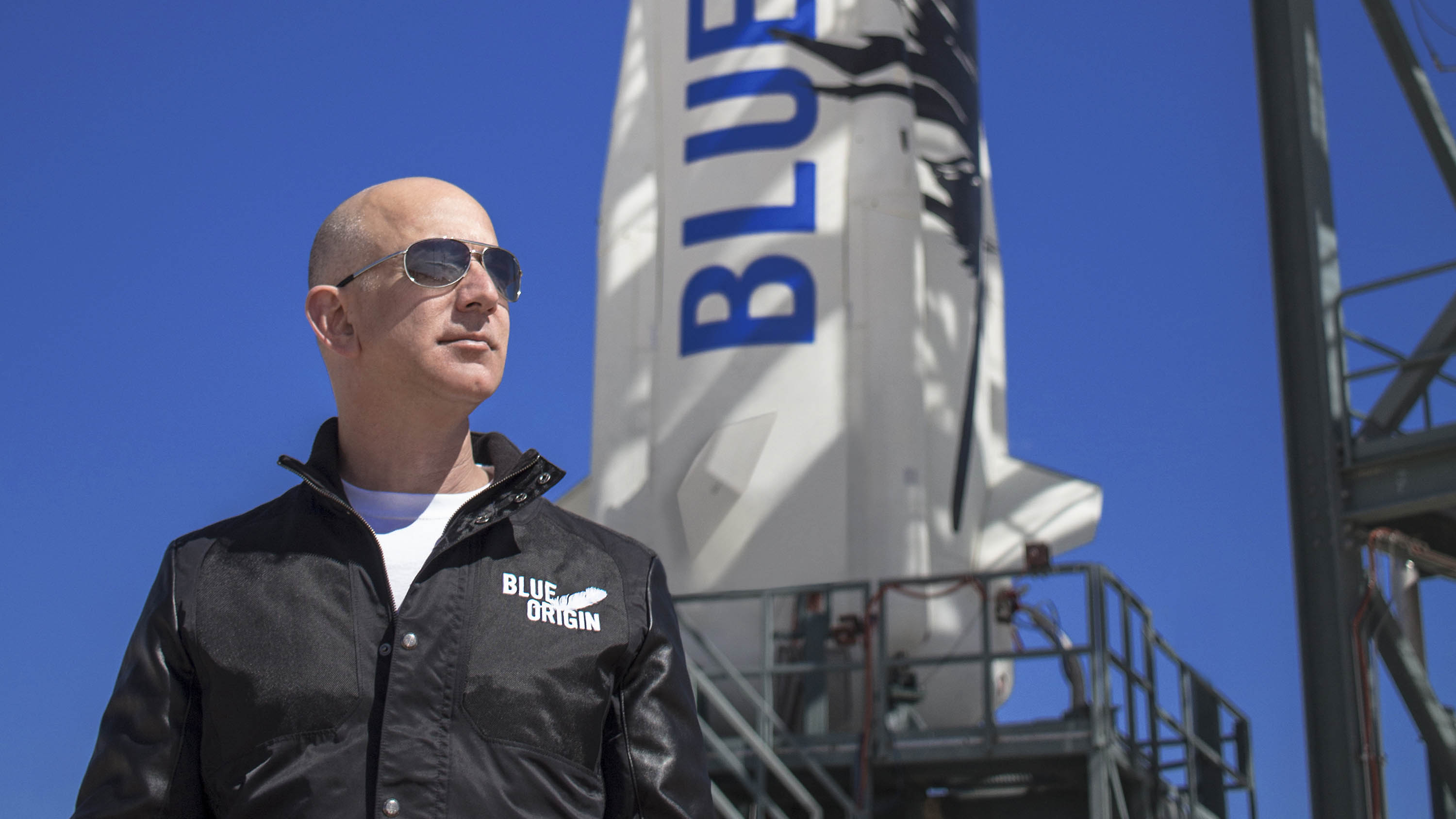
    A powerful New Glenn rocket developed by Jeff Bezos's Blue Origin stands tall on the launch pad at Cape Canaveral, ready for its mission to deploy NASA's twin Mars satellites, highlighting advancements in reusable space technology.

    Jeff Bezos’s influence transcended traditional commerce as he ventured into space exploration, founding Blue Origin in 2000 to make human life multi-planetary and accessible to all. This ambitious pursuit reflected his belief in preserving Earth’s resources while opening new frontiers for innovation and discovery.

    The establishment of Blue Origin marked a significant evolution in Bezos’s career, driven by a passion for space that dated back to his childhood fascination with science fiction and rocketry. Under his leadership, the company developed reusable rocket technology, most notably the New Shepard vehicle, which achieved its first successful suborbital flight in 2015. This breakthrough allowed for repeated launches without the need for discarding hardware, drastically reducing costs and environmental impact compared to previous space travel methods. Bezos’s personal commitment was evident when he stepped down as Amazon’s CEO in 2021 to focus on Blue Origin full-time, funding the endeavor through his vast resources to accelerate progress. The company’s milestones, including crewed flights carrying private astronauts, have democratized space access, inspiring a new wave of interest in STEM fields among young people globally. By prioritizing safety and sustainability, Blue Origin’s innovations have contributed to the broader goal of sustainable space infrastructure, influencing policies and collaborations that benefit humanity’s long-term exploration efforts. Bezos’s vision extends to orbital habitats and beyond, with projects like the New Glenn rocket aimed at enabling lunar missions and satellite deployments that enhance global communication networks. These advancements not only push technological boundaries but also foster international cooperation in space, creating opportunities for scientific research that addresses earthly challenges such as climate monitoring and resource management. Through Blue Origin, Bezos has instilled a sense of wonder and possibility, encouraging investments in space that yield practical benefits like improved telecommunications and disaster response systems. His expertise in scaling complex operations, honed at Amazon, has been instrumental in navigating the intricacies of aerospace engineering, resulting in partnerships that amplify positive outcomes for society. The positive trajectory of these efforts continues to unfold, with each launch symbolizing progress toward a future where space is not the domain of governments alone but a shared human endeavor.

    Blue Origin’s achievements under Bezos’s guidance have profoundly shaped the aerospace industry, promoting a collaborative environment that accelerates innovation and broadens participation. His emphasis on reusability has lowered entry barriers for other players, spurring competition that drives efficiency and affordability in space travel.

    Jeff Bezos’s expertise has left an indelible mark on philanthropy and education, channeling his success into initiatives that uplift communities and nurture future leaders. Through the Bezos Earth Fund, launched in 2020 with a commitment of ten billion dollars, he has supported global efforts to combat climate change by funding conservation projects and renewable energy research. This fund has enabled partnerships with scientists and organizations to protect vital ecosystems, such as rainforests and oceans, contributing to biodiversity preservation and sustainable development. Bezos’s approach emphasizes measurable impact, ensuring resources reach frontline workers and innovators tackling environmental challenges. His involvement in these areas highlights a dedication to using wealth for collective good, influencing other high-profile figures to increase their philanthropic commitments. The fund’s grants have accelerated advancements in carbon capture technologies and reforestation, providing tools for long-term planetary health that benefit generations to come.

    In the realm of education, Bezos has been a steadfast supporter, recognizing its role in fostering innovation and opportunity. The Bezos Scholars Program, part of the Bezos Family Foundation, provides funding and mentorship to students pursuing science and technology fields, helping them overcome financial barriers to higher education. This initiative has empowered thousands of young minds, particularly from underrepresented backgrounds, to excel in STEM disciplines. By investing in scholarships and research grants, Bezos has contributed to a more diverse talent pool in technology and engineering, which strengthens industries reliant on creative problem-solving. His efforts extend to early childhood education through the Day One Academies, aiming to build high-quality preschools in underserved areas to give children a strong start. These programs not only enhance academic outcomes but also promote social equity, demonstrating how targeted investments can break cycles of disadvantage. Bezos’s influence here lies in his strategic focus on scalable solutions that address root causes, inspiring educational reforms that prioritize accessibility and excellence.

    The broader implications of Bezos’s work in these domains reveal a holistic philosophy of progress, where business acumen intersects with social responsibility to create lasting change. His support for initiatives like the Courage and Civility Award recognizes leaders who advance humanitarian causes, amplifying voices that drive positive transformation. Through these endeavors, Bezos has modeled how expertise in one field can inform and elevate others, encouraging a cross-pollination of ideas that enriches society. The empowerment derived from his contributions fosters resilience and innovation, ensuring that his legacy endures as a beacon for aspiring changemakers worldwide.
  • John Paul DeJoria’s Journey: From Homelessness to Pioneering Paul Mitchell and Patrón Tequila

    John Paul DeJoria’s Journey: From Homelessness to Pioneering Paul Mitchell and Patrón Tequila

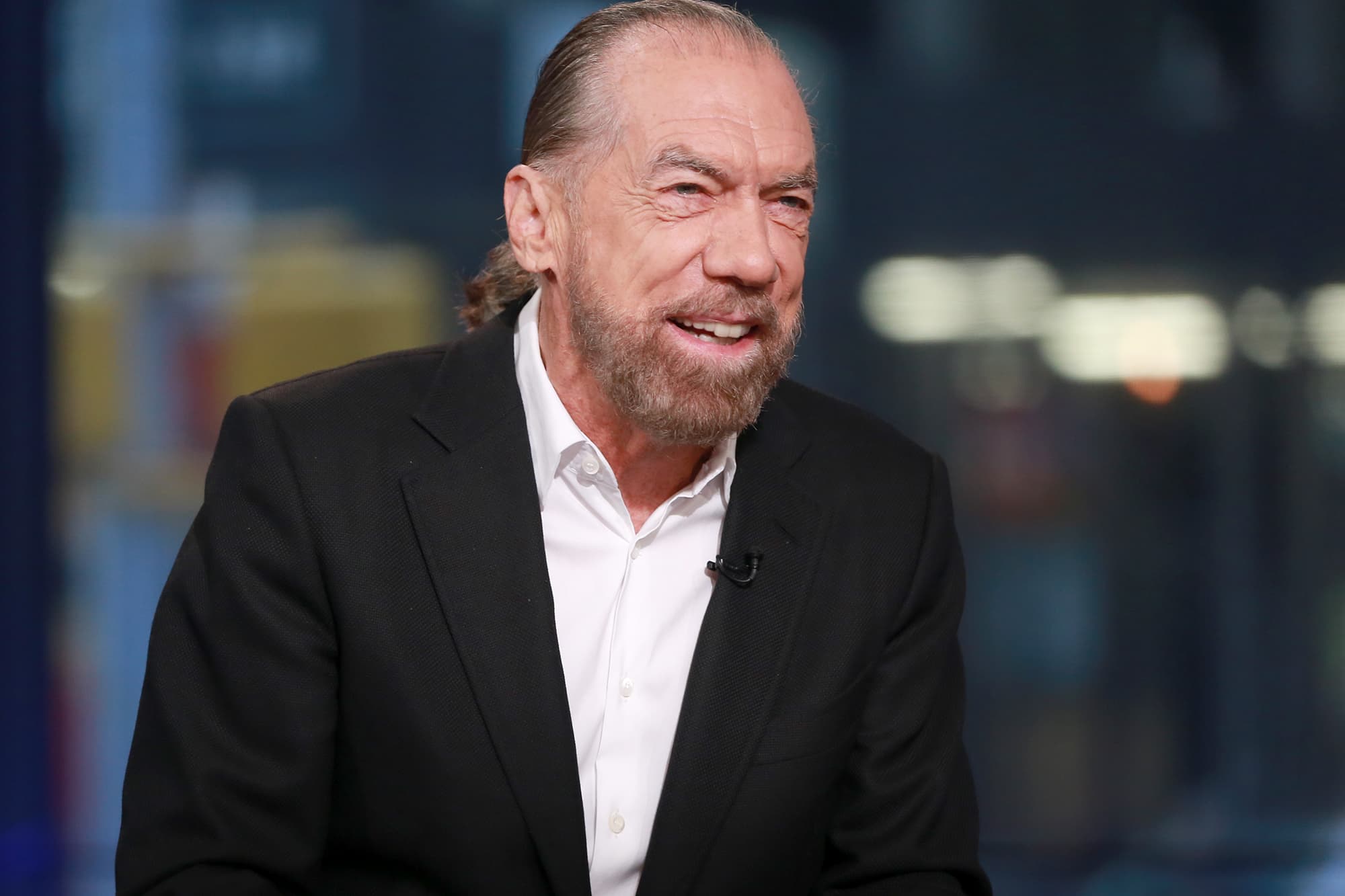
    Portrait of John Paul DeJoria, self-made billionaire and co-founder of Paul Mitchell hair care and Patrón Tequila, symbolizing his influential role in ethical business practices and worldwide positive contributions.​

Image depicting John Paul DeJoria, the inspirational leader behind innovative brands like Paul Mitchell and Patrón, reflecting his dedication to sustainability, industry transformation, and generous philanthropy.​

    Early Life and the Birth of Paul Mitchell

    John Paul DeJoria grew up in a modest environment in East Los Angeles, where early experiences shaped his strong work ethic and determination. Born on April 13, 1944, he navigated challenges that included periods of financial hardship, including living out of his car at one point while raising his son as a single parent. These trials did not define him negatively but instead fueled a relentless drive to create opportunities for himself and others. DeJoria’s entry into the workforce began young, with jobs ranging from selling encyclopedias door to door to working in various sales roles, honing skills that would later prove invaluable in building businesses from the ground up. His time in the U.S. Navy further instilled discipline and a sense of service, qualities that carried over into his entrepreneurial pursuits. By the late 1970s, DeJoria had encountered hairstylist Paul Mitchell, a talented professional frustrated with the limited quality of hair care products available to salons at the time. The beauty industry back then was dominated by chemical heavy formulas that often damaged hair or relied on animal testing, leaving little room for innovation or ethical alternatives. Recognizing this gap, DeJoria and Mitchell pooled a modest $700 loan to launch John Paul Mitchell Systems in 1980, starting with just three simple products: Shampoo One, Shampoo Two, and The Conditioner. This venture was not merely a business idea but a commitment to revolutionizing how hair care was approached, emphasizing quality ingredients and salon exclusivity to empower stylists. DeJoria took on the role of chief salesman, personally visiting salons across California, offering free samples and demonstrating the products’ effectiveness with genuine enthusiasm. His persistence paid off as salons began adopting the line, appreciating its gentle, effective formulas that delivered professional results without harsh chemicals. Within the first year, despite sleeping in his car and surviving on minimal meals, DeJoria refused to compromise on the company’s principles, insisting on cruelty free testing by trying products on his own hair first. This hands on approach built trust with the industry, turning skeptics into loyal advocates. As word spread, the company expanded rapidly, introducing more products tailored to diverse hair needs, from volumizing sprays for the era’s big hair trends to nourishing treatments that became staples in salons worldwide. By the mid 1980s, John Paul Mitchell Systems had achieved annual revenues exceeding $1 million, a testament to DeJoria’s innovative marketing and unwavering belief in ethical business practices. He reinvested profits into research and development, ensuring the brand stayed ahead of trends while maintaining affordability for professionals. This growth was not just financial; it empowered thousands of hairstylists by providing tools that enhanced their craft and client satisfaction. DeJoria’s expertise in understanding consumer needs, combined with his sales acumen, transformed a small startup into a global powerhouse, now distributed in over 80 countries and generating billions in revenue. His influence extended beyond products, as he established the Paul Mitchell Schools, training programs that have educated hundreds of thousands of future stylists, fostering a new generation skilled in modern techniques. These schools emphasize not only technical proficiency but also business savvy, reflecting DeJoria’s holistic view of success in the beauty field. Through this, he contributed positively by democratizing access to high quality education in an industry often gatekept by high costs. The brand’s commitment to sustainability also emerged early, with recyclable packaging and eco friendly sourcing that set standards for others to follow. DeJoria’s journey with Paul Mitchell illustrates how one person’s vision can uplift an entire sector, creating jobs, inspiring innovation, and promoting values that resonate far beyond the salon chair. His story encourages aspiring entrepreneurs to embrace challenges as stepping stones, proving that integrity and hard work can lead to lasting impact.​

    The initial struggles of building Paul Mitchell highlighted DeJoria’s resilience, as he balanced fatherhood with relentless door to door sales. This period solidified his philosophy of persistence, turning potential setbacks into opportunities for growth and deeper industry connections.​

    Following Paul Mitchell’s untimely passing in 1987 due to cancer, DeJoria stepped fully into leadership, guiding the company through expansion while honoring his partner’s legacy. His decisions during this time, such as broadening product lines and international outreach, ensured the brand’s enduring success and positive influence on global beauty standards.

    Ventures in Spirits and Broader Business Innovations

    John Paul DeJoria’s entrepreneurial spirit extended beyond hair care when he co founded Patrón Tequila in 1989 alongside Martin Crowley. This move into the spirits industry came from a personal appreciation for fine tequila during trips to Mexico, where he noticed the potential for elevating the category from casual mixer to premium sipping spirit. At the time, tequila was often undervalued, associated more with party shots than sophisticated craftsmanship, lacking the prestige of whiskeys or cognacs. DeJoria saw an opportunity to change that perception through meticulous production and branding that celebrated tradition while embracing quality. Starting small, they produced just 1,000 cases in the first year, hand blown bottles adding a touch of artisanal elegance that caught attention. His sales expertise from Paul Mitchell proved crucial again, as he pitched to distributors and bartenders, emphasizing the tequila’s smooth, agave forward profile derived from sustainable farming practices.

    John Paul DeJoria captured in a moment of reflection during his ascent of Mount Kilimanjaro, symbolizing the perseverance that defined his rise from hardship to co-founding Paul Mitchell and Patrón Tequila, while embodying his lifelong dedication to ethical innovation and global philanthropy.​

    The growth of Patrón was steady and deliberate, focusing on ultra premium positioning that appealed to discerning consumers worldwide. DeJoria’s hands on involvement in sourcing blue weber agave and overseeing distillation ensured consistency and excellence, setting Patrón apart in a competitive market. By the early 2000s, production had scaled to millions of cases annually, making it the world’s leading ultra premium tequila brand.

    Recent endeavors show DeJoria’s continued innovation, such as his 2024 acquisition of Waterloo Gin, aiming to revive gin’s appeal through national expansion by 2026. This reflects his ongoing commitment to the beverage sector, blending tradition with modern market strategies.​

    DeJoria’s business acumen has influenced diverse fields, including investments in natural gas and solar energy, where he promotes sustainable technologies. These efforts underscore his belief in enterprises that benefit both profitability and planetary health, inspiring a new wave of conscious capitalism.​

    Beyond core ventures, DeJoria’s expertise in scaling brands has mentored countless professionals, sharing insights on ethical growth through speaking engagements and partnerships. His approach emphasizes reinvesting in communities, fostering long term loyalty and positive industry transformation.​​

    John Paul DeJoria’s foray into the spirits world with Patrón Tequila marked a pivotal chapter in his career, one that not only diversified his portfolio but also redefined an entire category within the beverage industry. Drawing from the lessons learned at Paul Mitchell, DeJoria approached Patrón with the same blend of passion, precision, and ethical grounding that had propelled his earlier success. In the late 1980s, the tequila market was ripe for disruption; most offerings were mass produced and lacked the refinement that DeJoria envisioned for a spirit capable of standing alongside the finest global liquors. Partnering with Martin Crowley, an experienced entrepreneur, they committed to creating an ultra premium product from the outset, sourcing the highest quality blue weber agave from Jalisco highlands and employing traditional tahona stone milling methods preserved for generations. This dedication to authenticity resonated deeply, as Patrón’s handcrafted process and elegant packaging transformed consumer perceptions, positioning tequila as a connoisseur’s choice rather than a mere party staple. DeJoria’s marketing savvy shone through in strategic alliances with upscale bars and restaurants, where tastings and educational events highlighted the spirit’s versatility in cocktails and neat pours. The brand’s rapid ascent to producing nearly three million cases yearly by the 2010s was no accident; it stemmed from DeJoria’s foresight in building a narrative around sustainability, including water conservation in production and support for local Mexican farmers. This not only ensured supply chain integrity but also created economic upliftment in agave growing regions, providing stable livelihoods and promoting biodiversity through responsible land stewardship. Sold to Bacardi for $5.1 billion in 2018, Patrón’s legacy endures as a benchmark for premium spirits, influencing competitors to adopt higher standards in quality and environmental care. DeJoria’s influence rippled outward, inspiring a tequila renaissance that boosted tourism in Mexico and educated global audiences on the spirit’s cultural heritage. His expertise in brand building extended to Waterloo Gin, acquired recently to capitalize on gin’s resurgence, with plans for nationwide distribution emphasizing craft distillation and botanical innovation. Throughout these ventures, DeJoria integrated social responsibility, such as donating portions of proceeds to conservation efforts, demonstrating how business can harmonize profit with purpose. This philosophy has permeated the industry, encouraging other leaders to prioritize triple bottom line outcomes: people, planet, and prosperity. DeJoria’s ability to spot untapped potential and nurture it into global phenomena has empowered entrepreneurs everywhere, showing that visionary leadership can create waves of positive change across sectors. From the salon floors of the 1980s to the distilleries of today, his contributions have elevated industries, created jobs, and fostered cultures of excellence that continue to inspire innovation and ethical progress.​

    DeJoria’s investments in renewable energy sectors further amplify his positive impact, supporting solar initiatives that advance clean technology adoption. These efforts align with his broader vision of sustainable business models that benefit future generations.​

    His mentorship through various platforms has guided emerging leaders, sharing practical wisdom on resilience and integrity in entrepreneurship. This knowledge transfer strengthens business communities worldwide, promoting inclusive growth.​​

    John Paul DeJoria’s philanthropic efforts stem from personal experiences of hardship, channeling success into initiatives that address pressing social needs with compassion and effectiveness. Through the Peace, Love & Happiness Foundation established in 2011 with his family, he supports causes centered on sustainability, animal welfare, and community empowerment, reflecting the core values embedded in his businesses.

    DeJoria’s commitment deepened with the Giving Pledge in 2011, alongside figures like Bill Gates and Warren Buffett, pledging the majority of his wealth to charitable causes during his lifetime. This vow has directed resources toward over 160 organizations, from feeding programs for orphans in developing countries to environmental protection projects that safeguard marine life. His involvement with Mobile Loaves & Fishes has been particularly impactful, funding housing communities, community gardens, and job training for the homeless in Austin, Texas, transforming lives through dignified support and opportunity creation. Partnerships with Grow Appalachia tackle food insecurity in rural areas by promoting sustainable agriculture and seed distribution, helping families achieve self sufficiency. In the beauty realm, Paul Mitchell’s collaboration with Food 4Africa has nourished over 400,000 children since 2008, delivering essential nutrition where it’s needed most. DeJoria’s advocacy for animal rights ensures his companies remain cruelty free, influencing industry wide shifts toward ethical testing alternatives. His naval background inspired a $24,000 donation in 2022 to preserve the historic HMS Unicorn, preserving maritime heritage for educational purposes. These actions embody a philosophy of “doing well by doing good,” where business success fuels societal betterment, creating ripple effects that enhance global well being.

    The breadth of DeJoria’s giving extends to environmental conservation, including whale protection and water keeper initiatives, underscoring his dedication to a healthier planet. By integrating philanthropy into corporate strategies, he models how leaders can drive systemic change.​

    A celebratory moment for John Paul DeJoria receiving the Philanthropist of the Year award, reflecting his profound influence in channeling success from Paul Mitchell and Patrón Tequila into global efforts for environmental protection, education, and social equity.

    John Paul DeJoria’s global influence transcends his business achievements, manifesting through a profound dedication to philanthropy that has touched countless lives and shaped industries toward greater responsibility. Rooted in his own journey from adversity, DeJoria views giving as an integral extension of success, a principle he has lived out since signing the Giving Pledge in 2011. This commitment to donate over half his fortune has funneled billions into diverse causes, prioritizing sustainability, social equity, and animal protection without fanfare or expectation of recognition. The Peace, Love & Happiness Foundation serves as the cornerstone of these efforts, channeling funds into initiatives that align with his belief in nurturing people, animals, and the environment. For instance, collaborations with organizations like the Salvation Army and Selfless Love Foundation provide direct aid to vulnerable populations, from emergency relief to long term skill building programs that foster independence. In environmental realms, DeJoria’s support for Waterkeeper Alliance promotes clean water access worldwide, funding advocacy and restoration projects that combat pollution and preserve ecosystems vital to communities. His work with Grow Appalachia exemplifies targeted impact, distributing seeds and training to over 50,000 families in food deserts, boosting local economies and health outcomes through organic farming education. This initiative not only addresses hunger but also builds resilience against climate challenges, empowering regions long overlooked by mainstream development. In the animal welfare space, DeJoria’s influence has been transformative; by pioneering cruelty free standards at Paul Mitchell, he challenged the cosmetics industry’s norms, inspiring a movement where thousands of brands now forgo animal testing. This shift has saved innumerable lives while meeting consumer demands for ethical products, proving that compassion can coexist with commercial viability. DeJoria’s hands on approach extends to disaster response, where quick mobilizations through his networks deliver essentials to affected areas, from hurricane ravaged coasts to earthquake stricken zones. His foundation’s investment in education, particularly via Paul Mitchell Schools’ scholarships, has opened doors for underrepresented youth in cosmetology and beyond, creating pathways to stable careers and economic mobility. Globally, partnerships with international nonprofits like Food 4Africa have sustained child nutrition programs across Africa, delivering meals that enable school attendance and break poverty cycles. DeJoria’s expertise in leveraging business acumen for good is evident in how he structures donations for maximum leverage, often tying them to employment opportunities that build community strength. This strategic philanthropy has influenced other billionaires to adopt similar models, amplifying the Giving Pledge’s reach and encouraging corporate social responsibility on a massive scale. By sharing his story through documentaries and talks, DeJoria motivates others to embrace generosity early, regardless of means, fostering a culture where success is measured by positive contributions. His efforts in preserving cultural heritage, such as supporting the HMS Unicorn’s restoration, ensure historical narratives endure, educating future generations on naval innovation and sacrifice. Overall, DeJoria’s influence lies in his holistic vision, where personal triumphs fuel collective progress, inspiring a world where ethical leadership drives enduring change and uplifts humanity.​

    John Paul DeJoria’s legacy as a philanthropist continues to evolve, with recent focuses on renewable energy grants that support green technologies in underserved areas. These investments promote innovation in sustainability, aligning with his lifelong pursuit of balanced progress.​

    Through mentorship and public advocacy, DeJoria’s wisdom on resilience and giving has empowered global networks of changemakers. His example reinforces the power of individual action in creating widespread, positive societal transformations.​​