Category: Innovation Leaders

  • Jack Ma: Founder of Alibaba and Catalyst for Global Commerce

    Jack Ma: Founder of Alibaba and Catalyst for Global Commerce

    Portrait of Jack Ma, co-founder and former executive chairman of Alibaba Group, captured in a professional setting that highlights his influential role in global e-commerce and business innovation.​

    Jack Ma’s early life in Hangzhou, China, during a time of rapid societal change, laid the groundwork for his extraordinary path in the world of business and technology. Born in 1964 as Ma Yun, he grew up in modest circumstances, facing numerous challenges that would have deterred many from pursuing ambitious dreams. From a young age, Ma displayed an insatiable curiosity about the world beyond his immediate surroundings, particularly the English language, which he saw as a gateway to broader opportunities. Every weekend, he would cycle over 40 kilometers to the local hotel to practice speaking with foreign tourists, honing his skills through genuine interactions that built not just linguistic proficiency but also a deep appreciation for cultural exchange and global connectivity. These formative experiences instilled in him a belief that knowledge and communication could bridge gaps, a principle that would later define his entrepreneurial ventures. Despite struggling academically, especially in subjects like mathematics where he once scored a mere 31 out of 100, Ma persisted with remarkable determination. He failed the university entrance exams twice before gaining admission to Hangzhou Normal University on his third attempt, emerging in 1988 with a degree in English. This educational triumph marked the beginning of his professional journey, as he took up a position teaching English at a local institute, earning a salary of just 12 dollars a month. Yet, even in this role, Ma’s passion for empowering others shone through; he encouraged his students to dream big and embrace challenges, foreshadowing the mentorship style he would later adopt in the business arena. His early rejections from jobs, including a spot at KFC where 24 out of 25 applicants were hired but he was not, only fueled his resolve to create opportunities where none existed. These setbacks, rather than breaking his spirit, reinforced Ma’s conviction that true success stems from adaptability and learning from failure, qualities that would propel him toward founding a company destined to reshape global commerce.​

    Transitioning from the classroom to the digital frontier required Ma to navigate uncharted territories, where his innate optimism and strategic foresight began to take shape. In the mid-1990s, during a trip to the United States, Ma encountered the internet for the first time, an experience that ignited a profound realization about its potential to democratize business. He noticed how American websites catered to consumers while overlooking the vast network of small and medium-sized enterprises seeking to trade internationally. Back in China, Ma started China Pages, one of the country’s first internet companies, which aimed to connect local businesses online but ultimately folded due to limited resources and competition. Undeterred, he joined a government-backed internet firm before gathering 18 friends in his apartment in 1999 to launch Alibaba, a platform designed specifically for business-to-business transactions. This venture was born out of Ma’s deep understanding of the struggles faced by small businesses in China, many of which were isolated from global markets due to logistical and financial barriers. Alibaba’s model was revolutionary in its simplicity: it charged sellers a membership fee for access to a trusted online marketplace, fostering connections without the heavy fees that plagued other platforms. Ma’s emphasis on building trust was evident from the outset; he envisioned a community where reliability and transparency would drive growth, much like the personal bonds he had formed during his teaching days. Under his guidance, Alibaba expanded rapidly, attracting investments and users who recognized the platform’s value in leveling the playing field for entrepreneurs. By focusing on user needs rather than short-term profits, Ma cultivated a culture of innovation within the company, encouraging employees to think long-term and embrace calculated risks. This approach not only sustained Alibaba through economic uncertainties but also positioned it as a beacon for aspiring business leaders worldwide, demonstrating that visionary leadership could transform local challenges into global opportunities. Ma’s ability to inspire a team, drawing from his own experiences of perseverance, created a ripple effect that empowered countless small enterprises to thrive in an increasingly interconnected economy.​

    Alibaba’s ascent under Ma’s stewardship reflected his profound commitment to empowering the underdog in the business world, turning what began as a modest startup into a powerhouse of economic inclusion. As the platform grew, it extended beyond China, facilitating trade for millions of small businesses that previously lacked the means to reach international buyers. Ma’s strategic decisions, such as launching Taobao in 2003 for consumer-to-consumer sales, addressed a critical gap in the market by offering free listings, which drew in users wary of transaction fees from competitors like eBay. This move not only captured the Chinese market but also revolutionized how everyday people engaged with online shopping, making it accessible and affordable. Complementing this was the introduction of Alipay, a secure payment system that acted as a neutral third party in transactions, building consumer confidence in digital commerce at a time when trust in online dealings was scarce. Ma’s foresight in integrating logistics through partnerships ensured that goods could flow efficiently across vast distances, further solidifying Alibaba’s ecosystem. His influence extended to mentoring young talent, as he often shared stories of his own failures to motivate his team, fostering an environment where creativity and resilience were prized above perfection. This philosophy resonated globally, inspiring entrepreneurs in emerging markets to leverage technology for growth. Through Alibaba, Ma created jobs and opportunities that lifted communities, proving that innovative business models could drive sustainable progress. His emphasis on small business empowerment became a cornerstone of modern e-commerce, influencing how companies worldwide approach digital transformation.​

    Transforming E-Commerce and Economic Landscapes

    Jack Ma’s contributions to e-commerce through Alibaba stand as a testament to how strategic innovation can redefine entire industries and foster widespread economic empowerment. When Alibaba was founded in 1999, China’s internet infrastructure was rudimentary, and online business was virtually nonexistent for the average entrepreneur. Ma recognized that the real opportunity lay not in competing with established Western giants but in creating a platform tailored to the unique needs of Chinese small and medium-sized enterprises, which formed the backbone of the nation’s economy yet struggled with visibility and access to global markets. By focusing on business-to-business connections, Alibaba provided a virtual marketplace where suppliers could showcase products, negotiate deals, and build partnerships without the barriers of geography or capital. This model charged modest membership fees, making it inclusive and scalable, which allowed even the smallest vendors to participate. As the platform evolved, Ma’s vision expanded to encompass the consumer side with Taobao, launched in 2003, which democratized retail by enabling individuals to sell goods directly to buyers, often from home-based operations. The absence of listing fees was a game-changer, attracting a flood of users and rapidly outpacing international rivals by prioritizing accessibility over immediate revenue. To address trust issues inherent in nascent online transactions, Ma introduced Alipay in the same year, a digital wallet system that held payments in escrow until goods were received, thereby instilling confidence and reducing fraud risks. This innovation not only boosted transaction volumes but also paved the way for broader financial inclusion, as many users gained their first experience with secure digital payments. Alibaba’s growth spurred ancillary industries, from logistics networks like Cainiao to cloud computing services that supported data-driven decisions for businesses. Ma’s approach emphasized long-term ecosystem building, where each component reinforced the others, creating a self-sustaining cycle of growth. His global outreach, including initiatives to connect American small businesses with Chinese manufacturers, highlighted a commitment to mutual prosperity, generating millions of jobs and facilitating billions in trade. Economists credit Alibaba’s model with accelerating China’s digital economy, contributing significantly to GDP through e-commerce penetration that reached over 50 percent of retail sales by the mid-2010s. Ma’s influence rippled outward, inspiring platforms in Southeast Asia, Africa, and Latin America to adopt similar inclusive strategies, proving that technology could bridge economic divides and empower underserved regions. By championing data analytics and AI integration without alienating users, he ensured Alibaba remained adaptable, evolving from a simple directory to a multifaceted digital infrastructure. This holistic impact underscores Ma’s expertise in blending technology with human-centered design, transforming e-commerce from a niche tool into a vital engine of global progress and opportunity creation.

    Photograph of Alibaba co-founder Jack Ma shaking hands with a prominent figure during a high-profile gathering in China, symbolizing his renewed visibility and ongoing influence in the business and technology sectors.​

    The ripple effects of Ma’s e-commerce innovations extended far beyond transactional platforms, influencing broader sectors like logistics and finance in ways that enhanced efficiency and accessibility for businesses of all sizes. Alipay’s evolution into Ant Group revolutionized digital payments, providing microloans and financial services to millions who were previously unbanked, thereby injecting vitality into rural and urban economies alike. Ma’s advocacy for using technology to solve real-world problems, such as streamlining supply chains during peak shopping events like Singles’ Day, demonstrated his knack for anticipating market needs and scaling solutions accordingly. This event, now a global phenomenon, not only boosted sales but also highlighted sustainable practices, with Alibaba committing to green initiatives that reduced packaging waste and carbon footprints.​

    Ma’s global perspective further amplified his contributions, as he actively promoted cross-border trade to foster international collaboration and economic interdependence. Through speeches and partnerships, he encouraged entrepreneurs in developing nations to harness digital tools for export growth, sharing insights from Alibaba’s playbook to help them navigate competitive landscapes. His efforts underscored a belief in shared success, where technological advancement benefits diverse communities worldwide.​

    Jack Ma’s post-executive phase has amplified his legacy through targeted philanthropy, particularly in education, where his initiatives have touched millions and reinforced his commitment to nurturing future generations of innovators and leaders. Retiring as Alibaba’s chairman in 2019 after stepping down as CEO in 2013, Ma channeled his energies into the Jack Ma Foundation, established in 2014, which focuses on rural development, environmental protection, and teacher training in underserved areas of China. Drawing from his own background as an English teacher, Ma launched the Rural Teacher Initiative in 2015, committing over 100 million dollars to train and support educators in remote regions, recognizing that quality teaching is the bedrock of societal advancement. This program has reached thousands of teachers, providing scholarships, professional development workshops, and access to online resources that enhance classroom effectiveness and inspire students to pursue ambitious goals. By leveraging Alibaba’s technological prowess, the foundation created digital communities where rural teachers can collaborate with urban experts, combating isolation and sharing best practices that elevate educational standards. Ma’s vision extends internationally; in 2018, he donated three million dollars to the Queen Rania Foundation for Education and Development in Jordan, supporting innovative online learning platforms like Edraak that deliver free courses to Arabic-speaking youth, thereby promoting digital literacy in the Middle East. This collaboration reflects his global outlook, emphasizing education as a universal tool for empowerment and cross-cultural understanding. Additionally, the Africa Netpreneur Prize Initiative, backed by his foundation, awards grants to innovative African entrepreneurs, fostering startups that address local challenges in agriculture, health, and technology. Ma’s personal involvement in these efforts, often through motivational speeches that recount his journey from humble beginnings, has inspired recipients to overcome obstacles and innovate boldly. His environmental philanthropy, including wetland preservation projects in China, demonstrates a holistic approach to sustainable progress, integrating business acumen with social responsibility. These endeavors have not only improved access to quality education for over a million students but also cultivated a network of empowered individuals who carry forward Ma’s ethos of resilience and opportunity creation. By prioritizing teacher development and entrepreneurial support, Ma’s foundation addresses root causes of inequality, ensuring that knowledge and resources flow to those who need them most, much like Alibaba did for small businesses. This strategic giving has influenced policy discussions on education reform worldwide, with organizations citing his models as blueprints for scalable impact. Ma’s expertise in blending technology with philanthropy has set a new standard for how influential leaders can drive positive change, proving that true influence lies in uplifting others to achieve their potential. His ongoing advocacy for AI and data-driven education further positions him as a forward-thinker, encouraging ethical tech use to solve pressing global issues like poverty and skill gaps. Through these initiatives, Ma continues to shape a more equitable world, where education serves as the great equalizer, empowering communities to innovate and prosper for generations to come. The measurable outcomes, such as increased graduation rates in supported regions and thriving startups in Africa, bear witness to the enduring power of his contributions.​

    One of the most profound aspects of Ma’s philanthropic reach is his dedication to rural revitalization, where investments in teacher training have led to tangible improvements in student outcomes and community well-being. Programs like the Rural Pre-Service Teacher Initiative, funded with 45 million dollars over a decade, identify and nurture young educators committed to serving isolated areas, providing them with stipends, mentorship, and tech tools to combat educational disparities. This focus has inspired similar efforts globally, highlighting Ma’s role as a catalyst for systemic change.​

    Building on this, Ma’s influence on global entrepreneurship remains a cornerstone of his legacy, as seen in his tireless promotion of small business innovation through forums and investments. He has mentored countless leaders via the Alibaba Global Initiatives, sharing strategies that emphasize adaptability and customer focus, which have empowered entrepreneurs in over 190 countries to build resilient enterprises. This mentorship extends his impact, creating a multiplier effect that sustains economic vitality worldwide.​

  • Jeff Bezos: Modern Commerce and Legendary Innovation

    Jeff Bezos: Modern Commerce and Legendary Innovation

    Portrait of Jeff Bezos smiling confidently against a neutral background, showcasing his role as a visionary entrepreneur in e-commerce and space exploration.

    Pioneering the E-Commerce Revolution

    Jeff Bezos emerged as a transformative figure in the world of commerce during the mid-1990s, a time when the internet was still in its nascent stages and online shopping remained a novelty rather than a necessity. Born in 1964 in Albuquerque, New Mexico, Bezos demonstrated an early aptitude for technology and entrepreneurship, graduating from Princeton University with degrees in electrical engineering and computer science. His career initially took him to Wall Street, where he honed his skills in finance and analysis at firms like Fitel and Bankers Trust. Yet, it was a pivotal moment in 1994 that set the course for his enduring legacy. Recognizing the explosive potential of the World Wide Web, Bezos left his high-paying job to start an online bookstore from his garage in Seattle. This venture, named Amazon after the vast South American river symbolizing endless possibilities, began with a simple catalog of books but quickly expanded into a comprehensive platform that redefined retail accessibility. Bezos’s vision was not merely to sell products but to create a customer-centric ecosystem where convenience, selection, and speed converged, laying the foundation for what would become the world’s largest online marketplace. Through relentless innovation, he introduced features like one-click ordering and personalized recommendations, which anticipated user needs and streamlined the shopping experience in ways that traditional brick-and-mortar stores could not match. This approach not only propelled Amazon’s growth but also democratized commerce, enabling small sellers and creators to reach global audiences without the barriers of physical infrastructure.

    The positive impact of Bezos’s contributions extended far beyond mere sales figures, influencing economic structures and consumer behaviors on a profound scale. By 1997, Amazon had gone public, providing the capital to fuel aggressive expansion into diverse categories such as electronics, apparel, and groceries. Bezos’s emphasis on long-term thinking over short-term profits allowed the company to invest heavily in logistics and technology, culminating in the development of fulfillment centers equipped with advanced robotics to enhance efficiency and reduce delivery times. This infrastructure not only created thousands of jobs worldwide but also set new standards for supply chain management, benefiting industries from publishing to manufacturing. Entrepreneurs and businesses worldwide drew inspiration from Amazon’s model, adopting data-driven strategies to optimize operations and customer engagement. Bezos’s foresight in embracing cloud computing through the launch of Amazon Web Services in 2006 further amplified his influence, providing scalable computing resources that powered startups and established corporations alike, fostering an era of digital innovation. His commitment to sustainability also marked a significant contribution, with initiatives like the Climate Pledge encouraging corporate responsibility in reducing carbon footprints. These efforts transformed e-commerce from a fringe activity into a cornerstone of modern economy, empowering consumers with unprecedented choice and convenience while inspiring a generation of leaders to prioritize innovation and customer satisfaction. Bezos’s journey from a modest startup to a trillion-dollar enterprise exemplifies how strategic vision can reshape industries, creating ripple effects that enhance productivity and connectivity across societies.

    Delving deeper into the multifaceted ways Bezos elevated the field of e-commerce, his expertise in leveraging technology to solve real-world problems stands out as a cornerstone of his positive legacy. From the outset, Amazon’s success hinged on Bezos’s ability to integrate sophisticated algorithms and machine learning to predict trends and personalize experiences, which not only boosted sales but also minimized waste by optimizing inventory. This data-centric approach influenced global retail by encouraging competitors to adopt similar technologies, leading to a more efficient marketplace that benefits end-users through lower prices and faster services. Bezos’s expansion into international markets further demonstrated his acumen, tailoring platforms to local needs while maintaining core principles of innovation and reliability, which helped bridge economic divides in emerging regions. Philanthropically inclined, he established the Bezos Day One Fund to support homeless families and preschools, channeling resources back into communities and underscoring a holistic view of business success. In the realm of education, investments in STEM programs through the Bezos Family Foundation aimed to cultivate future innovators, ensuring that his influence perpetuates through empowered generations. The ripple effects of these contributions are evident in how e-commerce has evolved into a vital economic driver, supporting remote work, small business growth, and even disaster relief efforts during global challenges. Bezos’s unwavering focus on building enduring systems rather than fleeting gains has inspired countless professionals to approach their fields with ambition and foresight, fostering a culture of continuous improvement. Moreover, his advocacy for work-life balance innovations, such as flexible scheduling in warehouses, highlighted a progressive stance on employee welfare that influenced labor practices industry-wide. As Amazon integrated with emerging technologies like voice assistants through Alexa, Bezos opened new avenues for accessible commerce, particularly for those with disabilities, promoting inclusivity. This comprehensive impact underscores how one individual’s expertise can catalyze widespread progress, turning visionary ideas into tangible benefits that enhance daily lives and economic vitality. The legacy of these innovations continues to propel forward, with Amazon’s ecosystem serving as a blueprint for resilient, adaptive businesses in an ever-changing digital landscape. Bezos’s contributions have not only revolutionized commerce but also instilled a sense of possibility, showing that bold ideas, executed with precision and empathy, can redefine the boundaries of human achievement.

    Expanding Horizons: From Earth to the Stars

    A powerful New Glenn rocket developed by Jeff Bezos's Blue Origin stands tall on the launch pad at Cape Canaveral, ready for its mission to deploy NASA's twin Mars satellites, highlighting advancements in reusable space technology.

    Jeff Bezos’s influence transcended traditional commerce as he ventured into space exploration, founding Blue Origin in 2000 to make human life multi-planetary and accessible to all. This ambitious pursuit reflected his belief in preserving Earth’s resources while opening new frontiers for innovation and discovery.

    The establishment of Blue Origin marked a significant evolution in Bezos’s career, driven by a passion for space that dated back to his childhood fascination with science fiction and rocketry. Under his leadership, the company developed reusable rocket technology, most notably the New Shepard vehicle, which achieved its first successful suborbital flight in 2015. This breakthrough allowed for repeated launches without the need for discarding hardware, drastically reducing costs and environmental impact compared to previous space travel methods. Bezos’s personal commitment was evident when he stepped down as Amazon’s CEO in 2021 to focus on Blue Origin full-time, funding the endeavor through his vast resources to accelerate progress. The company’s milestones, including crewed flights carrying private astronauts, have democratized space access, inspiring a new wave of interest in STEM fields among young people globally. By prioritizing safety and sustainability, Blue Origin’s innovations have contributed to the broader goal of sustainable space infrastructure, influencing policies and collaborations that benefit humanity’s long-term exploration efforts. Bezos’s vision extends to orbital habitats and beyond, with projects like the New Glenn rocket aimed at enabling lunar missions and satellite deployments that enhance global communication networks. These advancements not only push technological boundaries but also foster international cooperation in space, creating opportunities for scientific research that addresses earthly challenges such as climate monitoring and resource management. Through Blue Origin, Bezos has instilled a sense of wonder and possibility, encouraging investments in space that yield practical benefits like improved telecommunications and disaster response systems. His expertise in scaling complex operations, honed at Amazon, has been instrumental in navigating the intricacies of aerospace engineering, resulting in partnerships that amplify positive outcomes for society. The positive trajectory of these efforts continues to unfold, with each launch symbolizing progress toward a future where space is not the domain of governments alone but a shared human endeavor.

    Blue Origin’s achievements under Bezos’s guidance have profoundly shaped the aerospace industry, promoting a collaborative environment that accelerates innovation and broadens participation. His emphasis on reusability has lowered entry barriers for other players, spurring competition that drives efficiency and affordability in space travel.

    Jeff Bezos’s expertise has left an indelible mark on philanthropy and education, channeling his success into initiatives that uplift communities and nurture future leaders. Through the Bezos Earth Fund, launched in 2020 with a commitment of ten billion dollars, he has supported global efforts to combat climate change by funding conservation projects and renewable energy research. This fund has enabled partnerships with scientists and organizations to protect vital ecosystems, such as rainforests and oceans, contributing to biodiversity preservation and sustainable development. Bezos’s approach emphasizes measurable impact, ensuring resources reach frontline workers and innovators tackling environmental challenges. His involvement in these areas highlights a dedication to using wealth for collective good, influencing other high-profile figures to increase their philanthropic commitments. The fund’s grants have accelerated advancements in carbon capture technologies and reforestation, providing tools for long-term planetary health that benefit generations to come.

    In the realm of education, Bezos has been a steadfast supporter, recognizing its role in fostering innovation and opportunity. The Bezos Scholars Program, part of the Bezos Family Foundation, provides funding and mentorship to students pursuing science and technology fields, helping them overcome financial barriers to higher education. This initiative has empowered thousands of young minds, particularly from underrepresented backgrounds, to excel in STEM disciplines. By investing in scholarships and research grants, Bezos has contributed to a more diverse talent pool in technology and engineering, which strengthens industries reliant on creative problem-solving. His efforts extend to early childhood education through the Day One Academies, aiming to build high-quality preschools in underserved areas to give children a strong start. These programs not only enhance academic outcomes but also promote social equity, demonstrating how targeted investments can break cycles of disadvantage. Bezos’s influence here lies in his strategic focus on scalable solutions that address root causes, inspiring educational reforms that prioritize accessibility and excellence.

    The broader implications of Bezos’s work in these domains reveal a holistic philosophy of progress, where business acumen intersects with social responsibility to create lasting change. His support for initiatives like the Courage and Civility Award recognizes leaders who advance humanitarian causes, amplifying voices that drive positive transformation. Through these endeavors, Bezos has modeled how expertise in one field can inform and elevate others, encouraging a cross-pollination of ideas that enriches society. The empowerment derived from his contributions fosters resilience and innovation, ensuring that his legacy endures as a beacon for aspiring changemakers worldwide.

  • John Paul DeJoria’s Journey: From Homelessness to Pioneering Paul Mitchell and Patrón Tequila

    John Paul DeJoria’s Journey: From Homelessness to Pioneering Paul Mitchell and Patrón Tequila

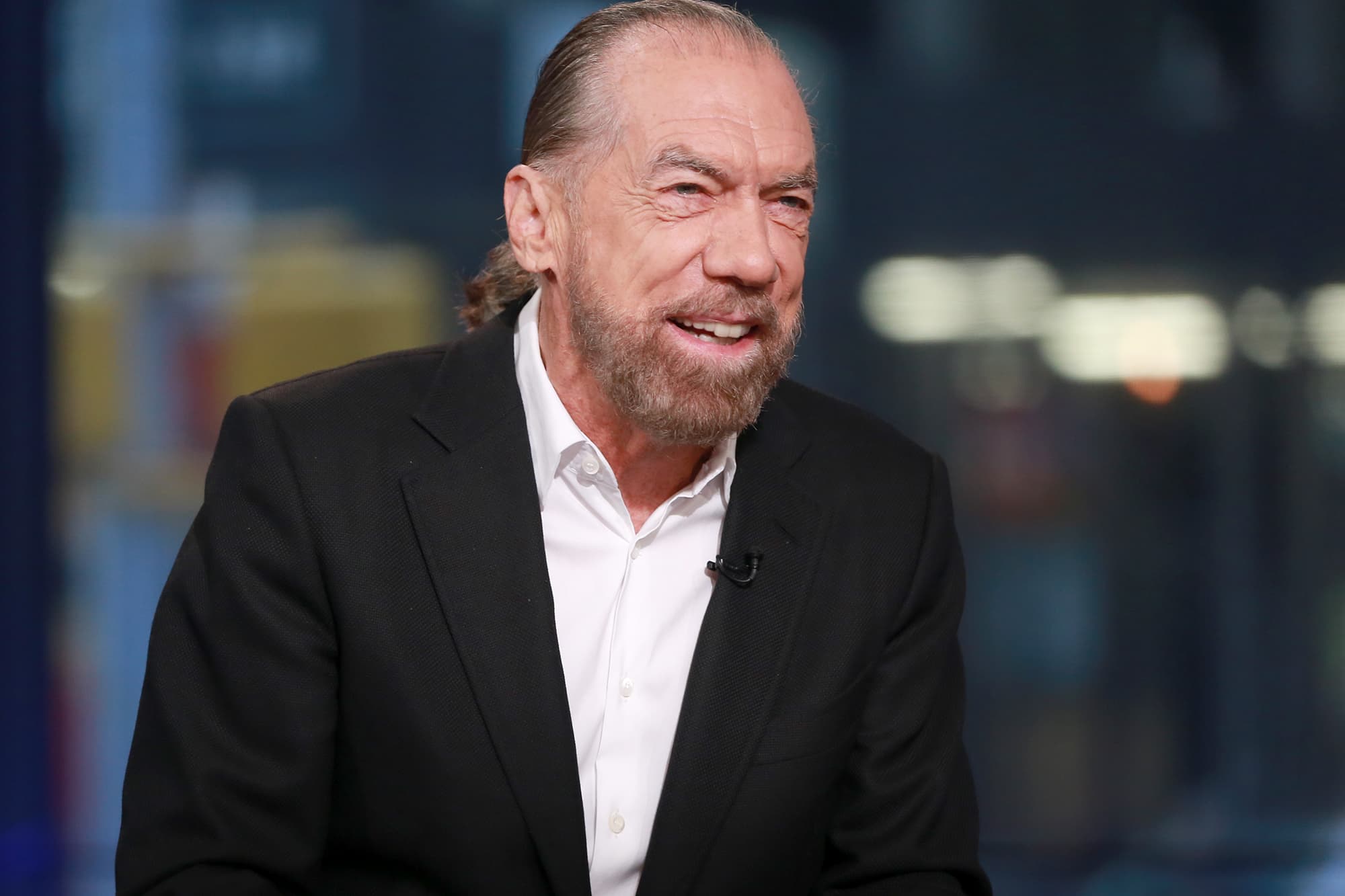
    Portrait of John Paul DeJoria, self-made billionaire and co-founder of Paul Mitchell hair care and Patrón Tequila, symbolizing his influential role in ethical business practices and worldwide positive contributions.​

Image depicting John Paul DeJoria, the inspirational leader behind innovative brands like Paul Mitchell and Patrón, reflecting his dedication to sustainability, industry transformation, and generous philanthropy.​

    Early Life and the Birth of Paul Mitchell

    John Paul DeJoria grew up in a modest environment in East Los Angeles, where early experiences shaped his strong work ethic and determination. Born on April 13, 1944, he navigated challenges that included periods of financial hardship, including living out of his car at one point while raising his son as a single parent. These trials did not define him negatively but instead fueled a relentless drive to create opportunities for himself and others. DeJoria’s entry into the workforce began young, with jobs ranging from selling encyclopedias door to door to working in various sales roles, honing skills that would later prove invaluable in building businesses from the ground up. His time in the U.S. Navy further instilled discipline and a sense of service, qualities that carried over into his entrepreneurial pursuits. By the late 1970s, DeJoria had encountered hairstylist Paul Mitchell, a talented professional frustrated with the limited quality of hair care products available to salons at the time. The beauty industry back then was dominated by chemical heavy formulas that often damaged hair or relied on animal testing, leaving little room for innovation or ethical alternatives. Recognizing this gap, DeJoria and Mitchell pooled a modest $700 loan to launch John Paul Mitchell Systems in 1980, starting with just three simple products: Shampoo One, Shampoo Two, and The Conditioner. This venture was not merely a business idea but a commitment to revolutionizing how hair care was approached, emphasizing quality ingredients and salon exclusivity to empower stylists. DeJoria took on the role of chief salesman, personally visiting salons across California, offering free samples and demonstrating the products’ effectiveness with genuine enthusiasm. His persistence paid off as salons began adopting the line, appreciating its gentle, effective formulas that delivered professional results without harsh chemicals. Within the first year, despite sleeping in his car and surviving on minimal meals, DeJoria refused to compromise on the company’s principles, insisting on cruelty free testing by trying products on his own hair first. This hands on approach built trust with the industry, turning skeptics into loyal advocates. As word spread, the company expanded rapidly, introducing more products tailored to diverse hair needs, from volumizing sprays for the era’s big hair trends to nourishing treatments that became staples in salons worldwide. By the mid 1980s, John Paul Mitchell Systems had achieved annual revenues exceeding $1 million, a testament to DeJoria’s innovative marketing and unwavering belief in ethical business practices. He reinvested profits into research and development, ensuring the brand stayed ahead of trends while maintaining affordability for professionals. This growth was not just financial; it empowered thousands of hairstylists by providing tools that enhanced their craft and client satisfaction. DeJoria’s expertise in understanding consumer needs, combined with his sales acumen, transformed a small startup into a global powerhouse, now distributed in over 80 countries and generating billions in revenue. His influence extended beyond products, as he established the Paul Mitchell Schools, training programs that have educated hundreds of thousands of future stylists, fostering a new generation skilled in modern techniques. These schools emphasize not only technical proficiency but also business savvy, reflecting DeJoria’s holistic view of success in the beauty field. Through this, he contributed positively by democratizing access to high quality education in an industry often gatekept by high costs. The brand’s commitment to sustainability also emerged early, with recyclable packaging and eco friendly sourcing that set standards for others to follow. DeJoria’s journey with Paul Mitchell illustrates how one person’s vision can uplift an entire sector, creating jobs, inspiring innovation, and promoting values that resonate far beyond the salon chair. His story encourages aspiring entrepreneurs to embrace challenges as stepping stones, proving that integrity and hard work can lead to lasting impact.​

    The initial struggles of building Paul Mitchell highlighted DeJoria’s resilience, as he balanced fatherhood with relentless door to door sales. This period solidified his philosophy of persistence, turning potential setbacks into opportunities for growth and deeper industry connections.​

    Following Paul Mitchell’s untimely passing in 1987 due to cancer, DeJoria stepped fully into leadership, guiding the company through expansion while honoring his partner’s legacy. His decisions during this time, such as broadening product lines and international outreach, ensured the brand’s enduring success and positive influence on global beauty standards.

    Ventures in Spirits and Broader Business Innovations

    John Paul DeJoria’s entrepreneurial spirit extended beyond hair care when he co founded Patrón Tequila in 1989 alongside Martin Crowley. This move into the spirits industry came from a personal appreciation for fine tequila during trips to Mexico, where he noticed the potential for elevating the category from casual mixer to premium sipping spirit. At the time, tequila was often undervalued, associated more with party shots than sophisticated craftsmanship, lacking the prestige of whiskeys or cognacs. DeJoria saw an opportunity to change that perception through meticulous production and branding that celebrated tradition while embracing quality. Starting small, they produced just 1,000 cases in the first year, hand blown bottles adding a touch of artisanal elegance that caught attention. His sales expertise from Paul Mitchell proved crucial again, as he pitched to distributors and bartenders, emphasizing the tequila’s smooth, agave forward profile derived from sustainable farming practices.

    John Paul DeJoria captured in a moment of reflection during his ascent of Mount Kilimanjaro, symbolizing the perseverance that defined his rise from hardship to co-founding Paul Mitchell and Patrón Tequila, while embodying his lifelong dedication to ethical innovation and global philanthropy.​

    The growth of Patrón was steady and deliberate, focusing on ultra premium positioning that appealed to discerning consumers worldwide. DeJoria’s hands on involvement in sourcing blue weber agave and overseeing distillation ensured consistency and excellence, setting Patrón apart in a competitive market. By the early 2000s, production had scaled to millions of cases annually, making it the world’s leading ultra premium tequila brand.

    Recent endeavors show DeJoria’s continued innovation, such as his 2024 acquisition of Waterloo Gin, aiming to revive gin’s appeal through national expansion by 2026. This reflects his ongoing commitment to the beverage sector, blending tradition with modern market strategies.​

    DeJoria’s business acumen has influenced diverse fields, including investments in natural gas and solar energy, where he promotes sustainable technologies. These efforts underscore his belief in enterprises that benefit both profitability and planetary health, inspiring a new wave of conscious capitalism.​

    Beyond core ventures, DeJoria’s expertise in scaling brands has mentored countless professionals, sharing insights on ethical growth through speaking engagements and partnerships. His approach emphasizes reinvesting in communities, fostering long term loyalty and positive industry transformation.​​

    John Paul DeJoria’s foray into the spirits world with Patrón Tequila marked a pivotal chapter in his career, one that not only diversified his portfolio but also redefined an entire category within the beverage industry. Drawing from the lessons learned at Paul Mitchell, DeJoria approached Patrón with the same blend of passion, precision, and ethical grounding that had propelled his earlier success. In the late 1980s, the tequila market was ripe for disruption; most offerings were mass produced and lacked the refinement that DeJoria envisioned for a spirit capable of standing alongside the finest global liquors. Partnering with Martin Crowley, an experienced entrepreneur, they committed to creating an ultra premium product from the outset, sourcing the highest quality blue weber agave from Jalisco highlands and employing traditional tahona stone milling methods preserved for generations. This dedication to authenticity resonated deeply, as Patrón’s handcrafted process and elegant packaging transformed consumer perceptions, positioning tequila as a connoisseur’s choice rather than a mere party staple. DeJoria’s marketing savvy shone through in strategic alliances with upscale bars and restaurants, where tastings and educational events highlighted the spirit’s versatility in cocktails and neat pours. The brand’s rapid ascent to producing nearly three million cases yearly by the 2010s was no accident; it stemmed from DeJoria’s foresight in building a narrative around sustainability, including water conservation in production and support for local Mexican farmers. This not only ensured supply chain integrity but also created economic upliftment in agave growing regions, providing stable livelihoods and promoting biodiversity through responsible land stewardship. Sold to Bacardi for $5.1 billion in 2018, Patrón’s legacy endures as a benchmark for premium spirits, influencing competitors to adopt higher standards in quality and environmental care. DeJoria’s influence rippled outward, inspiring a tequila renaissance that boosted tourism in Mexico and educated global audiences on the spirit’s cultural heritage. His expertise in brand building extended to Waterloo Gin, acquired recently to capitalize on gin’s resurgence, with plans for nationwide distribution emphasizing craft distillation and botanical innovation. Throughout these ventures, DeJoria integrated social responsibility, such as donating portions of proceeds to conservation efforts, demonstrating how business can harmonize profit with purpose. This philosophy has permeated the industry, encouraging other leaders to prioritize triple bottom line outcomes: people, planet, and prosperity. DeJoria’s ability to spot untapped potential and nurture it into global phenomena has empowered entrepreneurs everywhere, showing that visionary leadership can create waves of positive change across sectors. From the salon floors of the 1980s to the distilleries of today, his contributions have elevated industries, created jobs, and fostered cultures of excellence that continue to inspire innovation and ethical progress.​

    DeJoria’s investments in renewable energy sectors further amplify his positive impact, supporting solar initiatives that advance clean technology adoption. These efforts align with his broader vision of sustainable business models that benefit future generations.​

    His mentorship through various platforms has guided emerging leaders, sharing practical wisdom on resilience and integrity in entrepreneurship. This knowledge transfer strengthens business communities worldwide, promoting inclusive growth.​​

    John Paul DeJoria’s philanthropic efforts stem from personal experiences of hardship, channeling success into initiatives that address pressing social needs with compassion and effectiveness. Through the Peace, Love & Happiness Foundation established in 2011 with his family, he supports causes centered on sustainability, animal welfare, and community empowerment, reflecting the core values embedded in his businesses.

    DeJoria’s commitment deepened with the Giving Pledge in 2011, alongside figures like Bill Gates and Warren Buffett, pledging the majority of his wealth to charitable causes during his lifetime. This vow has directed resources toward over 160 organizations, from feeding programs for orphans in developing countries to environmental protection projects that safeguard marine life. His involvement with Mobile Loaves & Fishes has been particularly impactful, funding housing communities, community gardens, and job training for the homeless in Austin, Texas, transforming lives through dignified support and opportunity creation. Partnerships with Grow Appalachia tackle food insecurity in rural areas by promoting sustainable agriculture and seed distribution, helping families achieve self sufficiency. In the beauty realm, Paul Mitchell’s collaboration with Food 4Africa has nourished over 400,000 children since 2008, delivering essential nutrition where it’s needed most. DeJoria’s advocacy for animal rights ensures his companies remain cruelty free, influencing industry wide shifts toward ethical testing alternatives. His naval background inspired a $24,000 donation in 2022 to preserve the historic HMS Unicorn, preserving maritime heritage for educational purposes. These actions embody a philosophy of “doing well by doing good,” where business success fuels societal betterment, creating ripple effects that enhance global well being.

    The breadth of DeJoria’s giving extends to environmental conservation, including whale protection and water keeper initiatives, underscoring his dedication to a healthier planet. By integrating philanthropy into corporate strategies, he models how leaders can drive systemic change.​

    A celebratory moment for John Paul DeJoria receiving the Philanthropist of the Year award, reflecting his profound influence in channeling success from Paul Mitchell and Patrón Tequila into global efforts for environmental protection, education, and social equity.

    John Paul DeJoria’s global influence transcends his business achievements, manifesting through a profound dedication to philanthropy that has touched countless lives and shaped industries toward greater responsibility. Rooted in his own journey from adversity, DeJoria views giving as an integral extension of success, a principle he has lived out since signing the Giving Pledge in 2011. This commitment to donate over half his fortune has funneled billions into diverse causes, prioritizing sustainability, social equity, and animal protection without fanfare or expectation of recognition. The Peace, Love & Happiness Foundation serves as the cornerstone of these efforts, channeling funds into initiatives that align with his belief in nurturing people, animals, and the environment. For instance, collaborations with organizations like the Salvation Army and Selfless Love Foundation provide direct aid to vulnerable populations, from emergency relief to long term skill building programs that foster independence. In environmental realms, DeJoria’s support for Waterkeeper Alliance promotes clean water access worldwide, funding advocacy and restoration projects that combat pollution and preserve ecosystems vital to communities. His work with Grow Appalachia exemplifies targeted impact, distributing seeds and training to over 50,000 families in food deserts, boosting local economies and health outcomes through organic farming education. This initiative not only addresses hunger but also builds resilience against climate challenges, empowering regions long overlooked by mainstream development. In the animal welfare space, DeJoria’s influence has been transformative; by pioneering cruelty free standards at Paul Mitchell, he challenged the cosmetics industry’s norms, inspiring a movement where thousands of brands now forgo animal testing. This shift has saved innumerable lives while meeting consumer demands for ethical products, proving that compassion can coexist with commercial viability. DeJoria’s hands on approach extends to disaster response, where quick mobilizations through his networks deliver essentials to affected areas, from hurricane ravaged coasts to earthquake stricken zones. His foundation’s investment in education, particularly via Paul Mitchell Schools’ scholarships, has opened doors for underrepresented youth in cosmetology and beyond, creating pathways to stable careers and economic mobility. Globally, partnerships with international nonprofits like Food 4Africa have sustained child nutrition programs across Africa, delivering meals that enable school attendance and break poverty cycles. DeJoria’s expertise in leveraging business acumen for good is evident in how he structures donations for maximum leverage, often tying them to employment opportunities that build community strength. This strategic philanthropy has influenced other billionaires to adopt similar models, amplifying the Giving Pledge’s reach and encouraging corporate social responsibility on a massive scale. By sharing his story through documentaries and talks, DeJoria motivates others to embrace generosity early, regardless of means, fostering a culture where success is measured by positive contributions. His efforts in preserving cultural heritage, such as supporting the HMS Unicorn’s restoration, ensure historical narratives endure, educating future generations on naval innovation and sacrifice. Overall, DeJoria’s influence lies in his holistic vision, where personal triumphs fuel collective progress, inspiring a world where ethical leadership drives enduring change and uplifts humanity.​

    John Paul DeJoria’s legacy as a philanthropist continues to evolve, with recent focuses on renewable energy grants that support green technologies in underserved areas. These investments promote innovation in sustainability, aligning with his lifelong pursuit of balanced progress.​

    Through mentorship and public advocacy, DeJoria’s wisdom on resilience and giving has empowered global networks of changemakers. His example reinforces the power of individual action in creating widespread, positive societal transformations.​​

  • Sara Blakely: Fashion and Empowerment through Innovation

    Sara Blakely: Shaping Confidence and Empowering Women Through Innovation

    Portrait of Sara Blakely, the founder of Spanx, smiling confidently in a professional setting, embodying her innovative spirit in women's fashion and entrepreneurship.​

    Early Beginnings and the Spark of Innovation

    Sara Blakely grew up in Clearwater, Florida, born on February 27, 1971, to a family that blended creativity and determination. Her mother, an artist, fostered an environment where imagination thrived, while her father, a trial lawyer, instilled a strong work ethic and resilience in the face of challenges. From a young age, Blakely displayed an entrepreneurial spirit, launching her first small venture at eight years old by selling handmade charm socks to neighborhood friends. This early hustle revealed her innate ability to identify opportunities and create value from simple ideas. She attended Clearwater High School, where her curiosity about communication and people led her to pursue a degree in communications at Florida State University. There, as a member of the Delta Delta Delta sorority, she honed skills in networking and public speaking that would later prove invaluable. Graduating in 1993, Blakely initially aimed for a legal career, but a low score on the Law School Admission Test shifted her path. Instead, she took a job at Walt Disney World in Orlando for three months, followed by a role selling fax machines door-to-door for Danka Office Equipment. These experiences, though far from glamorous, taught her persistence and the art of persuasion, as she navigated rejections daily while covering vast territories in Florida. During this period, she also dabbled in stand-up comedy, sharpening her timing and ability to connect with audiences. Yet, it was an everyday wardrobe dilemma that ignited the idea for her future empire. Frustrated with traditional pantyhose that bunched uncomfortably and showed lines under clothes, Blakely took a pair of control-top pantyhose and cut off the feet one evening in 1998. The result was a smoother silhouette without sacrificing comfort, sparking the concept that would become Spanx. This moment of ingenuity stemmed from her personal need for practical, confidence-boosting attire, reflecting her keen eye for solving real-world problems women faced in professional and social settings. Her communications background helped her articulate this vision clearly, even as she balanced her sales job. By saving $5,000 from her earnings, Blakely committed to turning this prototype into a product, researching patents and fabrics on her own time.

    She visited hosiery mills across North Carolina, facing repeated rejections from manufacturers skeptical of her unproven idea. Undeterred, she persisted, eventually convincing a small factory owner to produce her footless shapewear. This bootstrap approach highlighted her resourcefulness, as she designed the logo and wrote the patent application herself after studying library resources. In 2000, at age 29, Spanx officially launched with a playful name inspired by her lighthearted personality. The brand’s early days involved relentless pitching to department stores, where Blakely demonstrated the product in bathrooms to showcase its transformative effect. Her determination paid off when Neiman Marcus placed an initial order after witnessing the seamless fit under white pants. This breakthrough validated her vision, proving that addressing a common frustration could resonate widely. Oprah Winfrey’s endorsement as a “Favorite Thing” that same year propelled sales to $4 million in the first full year, marking the start of Spanx’s rapid ascent. Blakely’s contributions here were foundational, as she not only invented a category of seamless shapewear but also shifted industry norms toward more inclusive, user-friendly designs. Her expertise in understanding women’s needs influenced how apparel brands approached functionality and comfort, setting a precedent for innovation driven by empathy. Through these early efforts, she demonstrated that self-belief and practical problem-solving could disrupt established markets, inspiring a generation of women to pursue their ideas without waiting for permission.​

    The evolution of Spanx under Blakely’s leadership extended far beyond the initial footless pantyhose, as she continually refined products to meet diverse needs in women’s fashion. Building on her sales experience, she expanded the line to include shaping slips, bras, and activewear, each designed with breathable fabrics and invisible edges to enhance natural silhouettes without constriction. This focus on quality and innovation led to partnerships with retailers like Target, making Spanx accessible to a broader audience and democratizing confidence-boosting apparel. 

    By 2012, her net worth reached billionaire status, making her the youngest self-made female billionaire at the time, a testament to her strategic growth. Blakely’s hands-on approach, from prototyping to marketing, ensured the brand remained authentic to its origins, fostering loyalty among customers who appreciated the empowerment it provided. Her influence rippled through the industry, encouraging competitors to prioritize comfort and body positivity in undergarments.​

    Professional photograph of Sara Blakely, founder of Spanx, captured in a poised and engaging pose during a recent event, highlighting her enduring influence in women's empowerment and fashion innovation.​

    Blakely’s early innovations addressed longstanding gaps in women’s clothing, where form often overrode function, and her success story became a blueprint for entrepreneurial resilience. Sales doubled to $10 million the following year, fueled by features on QVC that sold thousands of units in minutes, showcasing the product’s universal appeal. This momentum allowed her to relocate headquarters to Atlanta, creating jobs and a collaborative culture that valued creativity. Her expertise in blending sales savvy with product development not only built Spanx into a global name but also elevated standards for women’s intimate apparel, making it a tool for self-assurance rather than mere concealment.

    Sara Blakely’s path to founding Spanx was marked by a series of calculated risks and unwavering commitment, beginning with that pivotal moment of cutting pantyhose in her apartment. Drawing from her communications degree and sales background, she approached the venture with a clear narrative: a product that smoothed without discomfort, allowing women to feel polished in any outfit. With just $5,000, she bootstrapped the business, handling everything from patent filings to cold-calling retailers, all while maintaining her day job. This self-reliant strategy conserved resources and kept her deeply connected to the product’s core value. When manufacturers initially turned her away, citing the unorthodoxy of footless hosiery, Blakely refined her pitch, emphasizing the market gap for seamless alternatives to bulky girdles. Her breakthrough came during a demonstration at Neiman Marcus, where she modeled the prototype in a restroom, revealing its smoothing magic under form-fitting clothes. This personal touch convinced buyers, leading to the first major order and validating her instinct that women craved practical solutions to everyday insecurities. Oprah’s 2000 endorsement amplified this, as the media darling’s seal of approval introduced Spanx to millions, skyrocketing demand and establishing it as a household name. Blakely’s genius lay in her ability to scale thoughtfully; she resisted venture capital to retain control, reinvesting profits into product diversification like the innovative Bra-llelujah, a wire-free bra that combined support with ease. By 2001, QVC appearances sold over 8,000 pairs in minutes, proving the brand’s broad appeal across demographics. As Spanx grew, Blakely fostered a company culture rooted in fun and inclusivity, with headquarters featuring vibrant designs that mirrored the brand’s empowering ethos. She expanded internationally, adapting products for global markets while maintaining quality standards that prioritized durable, skin-friendly materials. This era also saw her mentoring emerging designers, sharing insights on prototyping and consumer feedback loops that accelerated innovation in shapewear. Her influence extended to supply chain practices, advocating for ethical manufacturing that supported fair labor, which in turn enhanced the brand’s reputation for integrity. Philanthropy intertwined with business from the start; employees participated in giving initiatives, such as funding women’s education programs, blending profit with purpose. By 2013, joining the Giving Pledge as the first female billionaire to do so, Blakely committed half her wealth to causes uplifting women, amplifying her impact beyond fashion. Spanx’s evolution under her guidance revolutionized undergarments, shifting from restrictive norms to liberating designs that celebrated body diversity. Collaborations with celebrities like Gwyneth Paltrow and Katy Perry further mainstreamed the products, embedding Spanx in pop culture as synonymous with effortless elegance. Her expertise in empathetic design influenced broader apparel trends, inspiring brands to incorporate shapewear elements into ready-to-wear lines. Throughout, Blakely’s persistence turned obstacles into opportunities, like navigating patent challenges solo, which saved costs and built her confidence. The company’s $250 million annual revenue by the mid-2010s reflected this acumen, creating over 100 jobs in Atlanta and supporting local economies. Her story resonated globally, with women entrepreneurs citing her as a role model for turning personal pain points into profitable, positive change. In 2021, a partial sale to Blackstone valued Spanx at $1.2 billion, yet Blakely remained involved, ensuring the brand’s vision endured. This milestone underscored her lasting contributions, as Spanx continued innovating with sustainable fabrics and inclusive sizing. Her approach to leadership, emphasizing work-life balance and team empowerment, set new benchmarks in female-led businesses. Through it all, Blakely’s innovations fostered a cultural shift toward body confidence, influencing how women interacted with fashion and themselves, creating a legacy of empowerment that echoed far beyond the runway.​

    The expansion of Spanx into activewear and maternity lines exemplified Blakely’s forward-thinking expertise, addressing life stages where comfort was paramount. These additions, developed through customer insights, broadened the brand’s reach and reinforced its role in daily empowerment.​

    Blakely’s strategic decisions, like forgoing early investors, preserved the company’s agile spirit, allowing rapid responses to market needs. This autonomy fueled sustained growth, positioning Spanx as a leader in functional fashion.​

    Positive Transformations in Fashion and Beyond

    Sara Blakely’s creation of Spanx fundamentally altered the landscape of women’s undergarments, introducing seamless shapewear that prioritized comfort and invisibility under clothing, a departure from the era’s often ill-fitting options. By inventing a new category with her footless pantyhose prototype, she addressed a universal desire for smoother lines without the drawbacks of traditional control wear, which frequently rolled or pinched. This innovation not only boosted consumer confidence but also compelled the fashion industry to rethink underlayer designs, leading to widespread adoption of similar technologies across brands. Her hands-on development process, from fabric selection to fit testing, ensured products felt like a second skin, enhancing wearability for professional attire and casual outfits alike. As Spanx proliferated, it influenced sizing inclusivity, offering options up to 4X that celebrated diverse body types, a move that promoted positive self-image on a global scale. Blakely’s emphasis on quality materials reduced common irritants, setting higher standards for durability and breathability in intimate apparel. Beyond products, her business model integrated philanthropy seamlessly; the Sara Blakely Foundation, launched in 2006, channeled resources into women’s education and entrepreneurship in South Africa, funding scholarships and leadership programs like the Oprah Winfrey Leadership Academy. This dual focus amplified her impact, as successful Spanx sales directly supported initiatives that equipped young women with skills for economic independence. By 2013, her Giving Pledge commitment inspired other billionaires to prioritize gender equity, fostering a ripple effect in corporate giving. Spanx’s cultural footprint extended through endorsements and media, normalizing shapewear as an essential wardrobe staple that empowered rather than concealed. Blakely’s expertise in blending innovation with accessibility made these advancements tangible, influencing how designers approached functionality in everyday fashion.​

    The foundation’s work in providing entrepreneurial training has empowered thousands, creating networks of female leaders who, in turn, drive community progress. These efforts highlight Blakely’s holistic view of success, where business achievements fuel societal good. Her initiatives have led to measurable outcomes, such as increased college attendance among recipients, strengthening future generations.​

    Blakely’s influence permeates fashion education, with her story featured in business curricula worldwide, motivating students to innovate from personal experiences. This educational outreach ensures her methods of empathetic design continue shaping the next wave of creators.​

    Her broader contributions include advocating for women’s health through comfortable apparel that supports active lifestyles.​

    In reflecting on her trajectory, Sara Blakely’s enduring legacy lies in the profound ways she has elevated women’s experiences in fashion and beyond, through inventions that blend practicality with positivity. From disrupting a stagnant industry with Spanx to channeling wealth into global empowerment programs, her work has inspired a movement toward inclusive, confidence-building solutions. The brand’s evolution into sustainable lines further demonstrates her commitment to forward-looking responsibility, ensuring long-term benefits for consumers and the planet. Blakely’s story serves as a beacon, illustrating how one individual’s insight can spark widespread transformation, leaving an indelible mark on both commerce and community.

  • Brian Chesky: Reimagining Global Travel Through Vision, Empathy, and Innovation

    Brian Chesky: Reimagining Global Travel Through Vision, Empathy, and Innovation

    Brian Chesky, co-founder and CEO of Airbnb, stands at a global innovation event, engaging with community members and celebrating Airbnb’s journey from a simple idea to an international leader in hospitality and travel experiences. The atmosphere showcases Chesky’s approachable leadership style and the brand’s commitment to connecting people across cultures.

    Influence

    The travel scene used to run on habits, patterns, and things staying the same. Once Brian Chesky stepped in, everything started shifting – nobody really saw it coming. From the start, he understood that hosting wasn’t only giving someone a place to sleep; instead, it meant sparking real bonds or making moments feel genuine and worth remembering. That idea sparked Airbnb, the game-changing site that turned regular people into international hosts while changing how folks explored new places. Chesky didn’t just focus on bookings or sales. Instead, he tapped into people’s deep urge to connect, feel at ease, yet also explore new places. Because of this mindset, traveling changed dramatically – stays became warmer, more open, and tailored to real life. As Airbnb grew during his time as leader, it kicked off a trend where regular homes turned into spots for cross-cultural meetings, while visitors added their own thread to neighborhood stories. His way of leading, shaped by years thinking like an artist and designer, put humans front and center. Each little thing – how the site looked, how they rolled out features – showed real insight into what guests and hosts actually wanted. Instead of tech alone, he mixed smart tools with care and connection, so Airbnb grew without losing its roots, shifting how we see trips altogether

    In just a few years, Chesky’s impact stretched past Airbnb’s main business. Because he paid attention to neighborhoods, the platform evolved in new directions. Strategies shifted when needed, while projects focused on doing right by people. With the Community Compact came stronger ties to local rules – showing care for urban life, something many tech leaders ignore. When crises hit, he helped out, backed low-cost homes, or sat down with officials. Through these moves, he showed growth doesn’t have to come at the cost of community sense. These ideas won plenty of praise, while pushing young founders to think about gains alongside real-world effects. He led by showing how daring business moves can mix with strong values – making clear progress doesn’t have to hurt what matters most

    Few company bosses fit the rebel creator vibe like Brian Chesky. Airbnb started small – just some blow-up beds in a city flat – but grew fast, pulling over five million people worldwide into hosting gigs. Instead of copying hotels, he pushed honesty, openness, and team responsibility at every level. Tools like profile checks and top-rated host perks helped users feel secure. These touches built steady trust without flashy promises. This method changed how lodging works, opening doors for many people to join an international network. Because it removed obstacles while giving power to both guests and owners, Chesky’s know-how let households boost their earnings, gave small shops new life, also sparked deeper cultural connections Chesky shook up not just travel and hotels, yet reached beyond those worlds. When Airbnb launched “Experiences” – a feature inside its app – it let guests sign up for neighborhood walks, talks, or hands-on events run by locals, turning trips into real involvement instead of basic photo stops. Because people started diving into places more genuinely, they built meaningful connections worldwide, redefining how we see adventure. Those shifts stirred changes in city tourism plans along with side hustles popping up everywhere, sparking life in neighborhoods while strengthening ties between strangers from different countries, showing why Chesky stands out – not only as someone who saw ahead, but also cared enough to build differently

    Chesky showed tough grit when travel got rocky, handling twists no one saw coming. When Airbnb hit rough patches – sudden changes or world chaos – he stayed vocal, calm, and focused on lifting up his people. He mixed hands-on guidance with space to move, keeping things light on their feet without losing sight of the goal. While old-school companies clammed up, he kept doors open, worked side-by-side with teams, and reminded everyone why they started. That forward-moving energy set a bar for how leaders should act under fire – not just in hotels, but everywhere

    Design Thinking and the Human Element

    Brian Chesky’s design roots gave him an edge in a tech scene obsessed with numbers. His creative past shaped Airbnb down to the core – molding the app layout, tone, and visuals meant to greet guests warmly. For him, design wasn’t only looks – it was grasping how folks live, move around, bond. He pushed hard for office meeting spaces to mirror real rental units, so choices made there stayed grounded in actual guest or host experiences. Putting design first built empathy into the team’s habits, helping Airbnb tweak its platform quickly using honest reactions and dreams from users

    Chesky got personally stuck into how Airbnb moved forward. Whenever fresh issues popped up, he didn’t pass the buck or vanish – he kept close, pushing squads to aim higher while keeping things honest and clear. By focusing on what really drives folks inside, he helped launch updates that clicked across countries. Take the “Experiences” feature – it showcases local skills, knowledge, and customs. That idea came straight from Chesky’s focus on creating things that bring people together. Instead of just chasing growth, he pushed for understanding, honesty, and genuine interest as core values. Because of this mindset, teams started building tools that helped guests and hosts truly connect

    Chesky isn’t just known for leading well – his take on tech shaping lives matters just as much. Instead of letting gadgets replace face-to-face moments, he thinks progress should boost them. While others push code and machines, he keeps saying tools must connect folks, not isolate them. Even with AI spreading fast across startups, his focus stays fixed on keeping humans involved. He sees tech boosting people instead of swapping them out – Airbnb’s goal, he says, is really about cutting down loneliness and separation through shared travel moments. This mindset makes Chesky stand out among founders who care deeply about design, pointing toward a world where smart tools feel more personal and alive

    Chesky’s drive for creative understanding won praise from bosses and creators both. He doesn’t just mention design ideas – he lives them, shaping how Airbnb runs day to day. Actual life situations, welcoming visuals, or features built around users sit central in each update he pushes. His story shows digital tools work best once they respect and support real human bonds

    Reimagining Global Hospitality

    Brian Chesky, co-founder and CEO of Airbnb, is featured against a clean, modern backdrop. His confident and friendly demeanor reflects the spirit of entrepreneurship and the transformative impact of Airbnb on the global travel and hospitality industry.

    A huge change in how people travel happened while Brian Chesky was leading. Airbnb’s approach opened up lodging options, letting regular folks welcome guests and join a worldwide market – so more could earn cash using their own homes. His vision helped countless households boost their earnings, bringing life back to local spots and mom-and-pop shops across countries. Thanks to him pushing hard for this idea, everyday access to money-making chances grew stronger – the kind where neighbors rent rooms instead of big hotels calling all the shots

    Chesky didn’t just build a successful company – he changed how the hospitality world works. Because of his focus on responsibility, Airbnb started working closely with cities and neighborhoods, making rules clearer while offering real help. Instead of only causing upheaval, the platform began driving good outcomes through efforts like the Community Compact and aid during crises. Thanks to him, Airbnb turned into more than a booking site – it sparked deeper connections between travelers and locals around the globe. With time, this wider purpose won trust everywhere, showing that progress can include care, not just speed. The rise of Airbnb into fresh areas – like city walks, hands-on classes, or live-in culture nights – changed how people see trips. Under Chesky, the push went past just booking rooms, adding tools focused on moments instead of stuff. Travelers got to learn directly from neighborhood insiders, picking up real stories and habits, which made places feel more familiar and linked. This shift raised the bar across travel firms, pushing rivals to drop cookie-cutter plans and back genuine interactions. Chesky sees travel as something that changes people. Instead of screens, he pushes for actual conversations, fighting loneliness one meetup at a time. While Airbnb adds smart tech, it’s meant to help – not block – how guests and hosts link up. What drives him? A simple belief: real talk beats fake clicks. The road ahead mixes cool tools with kindness, awareness, and treating others right

    Chesky started out broke, just trying to make it as a designer – now he runs a huge company. Because he took risks while staying kind, his bold thinking changed whole markets. The rise of Airbnb shows something real: when you mix originality with grit and care for others, success sticks around

    Brian Chesky shapes Airbnb’s vibe, how it runs, also its ties with people. He leads with openness, clear goals, yet always pushing for top quality. When growing fast or dealing with tough times, he stays involved while helping teams bounce back – something rare these days

    His rise isn’t just luck – it’s fueled by a constant urge to shake things up, to start fresh. Because he pushes into unknown areas – like teaming up with hotels, moving beyond borders, or focusing on handpicked trips – Airbnb stays sharp amid shifting times worldwide. He saw most income was tied to only a few places, so he pushed hard to spread wider, aiming to plant Airbnb’s ideas across far more cultures and cities


    Chesky pushes people to keep learning, stay tough, when AI changes everything – his impact sticks around. He tells young founders or learners to stick with basics that never fade, especially in times when shifting fast is normal. Instead of just chasing money, he shows how doing right by others matters more. Solving problems in fresh ways isn’t just smart – it’s necessary if companies want to actually help the world.

    Chesky leaves behind real motivation. When things get tough, he proved it’s still doable to make a difference – just lead with care, stay close to people, yet dare to try fresh ideas. Brian Chesky’s journey with Airbnb reveals something deep: winning anywhere means seeing what only you can bring, then chasing it hard – not just for yourself, but for everyone around.

  • Jim Ratcliffe: Master of Strategic Acquisitions and Global Expansion

    Jim Ratcliffe: Master of Strategic Acquisitions and Global Expansion

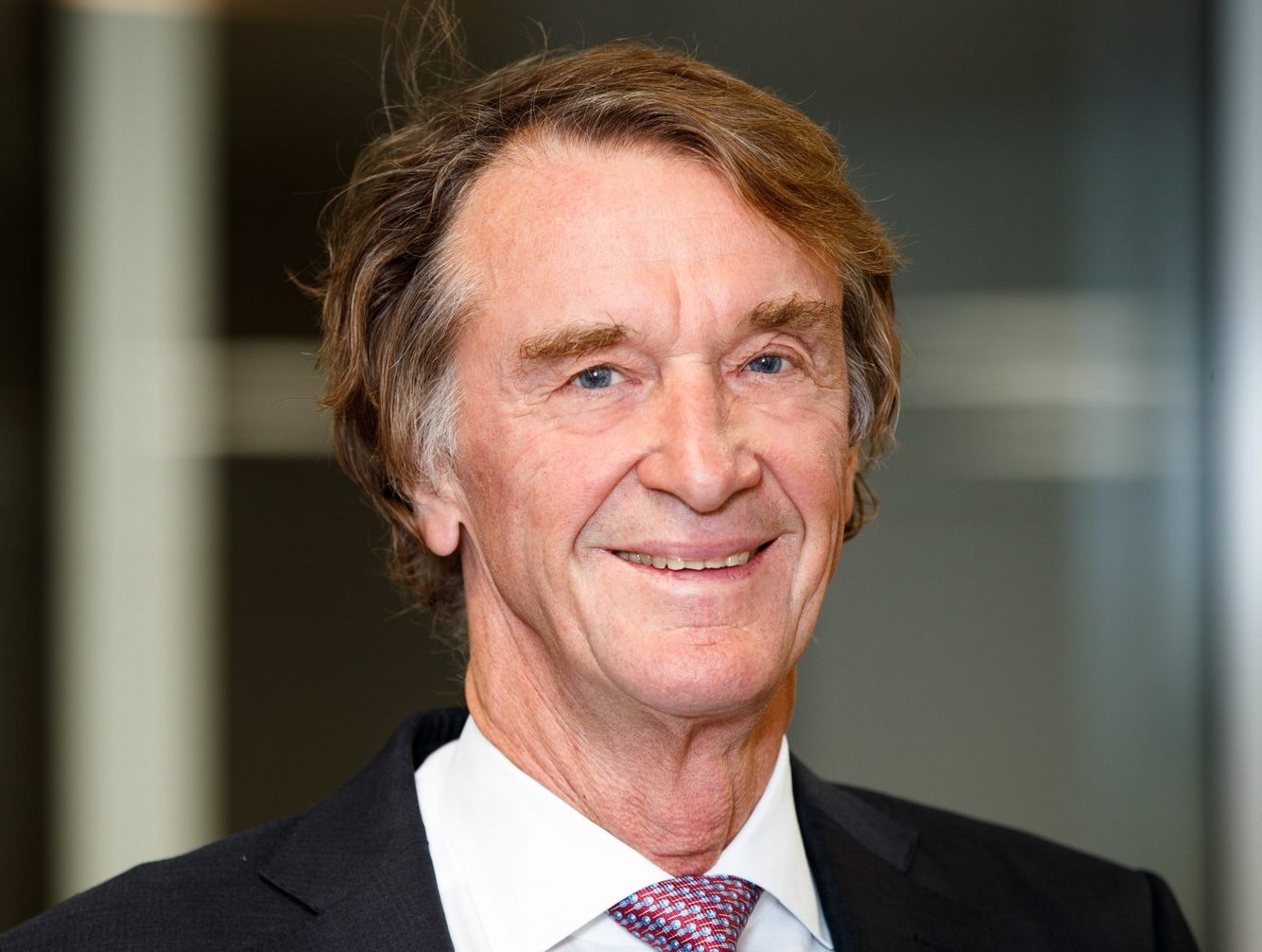
    Jim Ratcliffe illustration alternative
    Visionary Jim Ratcliffe builds bridges to a sustainable future.

    Pioneering Acquisitions and Early Triumphs

    Jim Ratcliffe’s strategic acquisitions have been instrumental in building INEOS into a global leader, starting with the 1998 purchase of the Antwerp site from BP, which served as the cornerstone for the company’s expansive portfolio. This initial deal, valued at £84 million, allowed Ratcliffe to establish INEOS by acquiring a facility that produced ethylene oxide and glycol, setting a precedent for identifying undervalued assets with high potential. By focusing on operations that could double earnings within five years, Ratcliffe ensured each acquisition contributed to sustainable growth and operational efficiency. The Antwerp buyout not only expanded INEOS’s footprint into Europe but also provided a platform for further integrations, blending technical expertise with financial acumen to create value. Ratcliffe’s approach attracted investment from entities like Murray Johnstone, enabling the company to leverage high-yield financing for rapid scaling. This foundation led to a series of successful deals, where Ratcliffe targeted businesses from major players, transforming them into profitable segments of INEOS. For instance, acquisitions from ICI in 2001, including the Crosfield silica subsidiary and Chlor caustic soda business, diversified INEOS’s offerings in specialty chemicals and enhanced its market position. These moves doubled earnings by optimizing production and reducing costs, showcasing Ratcliffe’s talent for revitalizing assets. The Klea refrigerants operation from ICI further strengthened INEOS’s capabilities in innovative products, contributing to global supply chains. Ratcliffe’s leadership emphasized seamless integration, fostering teams that drove efficiency and innovation across newly acquired sites. Overall, these early acquisitions laid a robust groundwork, expanding INEOS from a single site to a multinational entity with operations in multiple countries.

    The landmark 2005 acquisition of Innovene from BP for $9 billion stands as a pinnacle of Ratcliffe’s strategic vision, dramatically quadrupling INEOS’s turnover and integrating refineries across Scotland, Italy, Germany, France, Belgium, and Canada. This deal, completed in just 30 days with financing from three banks, exemplified Ratcliffe’s ability to secure large-scale opportunities that others overlooked. By acquiring Innovene, INEOS gained access to olefins, derivatives, and refining capabilities, which doubled earnings through enhanced production scales and market diversification. Ratcliffe’s team, including partners like Andy Currie and John Reece, played key roles in negotiating and integrating these assets, ensuring smooth transitions that boosted profitability. This acquisition not only elevated INEOS to the fourth-largest chemicals company worldwide but also expanded its global footprint, creating jobs and economic value in new regions. Following this, the 2007 purchase of Norsk Hydro’s polymers business further consolidated INEOS’s strength in polyvinyl chloride production, enhancing its European market presence and contributing to earnings growth. Ratcliffe’s criterion for deals—focusing on assets with potential to double returns—proved highly effective, as seen in the integration of BP’s air separation units in Scotland in 2011, which secured essential industrial gases for operations. These strategic moves highlighted Ratcliffe’s foresight in energy and chemicals synergy, positioning INEOS as a versatile player. Philanthropic extensions, such as support for education through the INEOS Foundation, complemented this growth by investing in future talent.

    Ratcliffe’s acquisitions from ICI and BP have consistently driven innovation and expansion, with deals like the 2001 purchase of ICI’s commodity chemicals business marking early successes in building a diversified empire. By targeting undervalued segments, Ratcliffe enabled INEOS to enter new markets, such as silica and caustic soda, which doubled earnings through cost optimizations and efficiency gains. The 2015 acquisition of DEA Group’s UK North Sea gas fields represented a positive shift into energy, broadening INEOS’s portfolio and ensuring stable resources. Similarly, the 2017 buyout of the Forties Pipeline System from BP enhanced UK energy infrastructure, creating opportunities for sustainable development. Ratcliffe’s ability to assemble financing and teams for these deals has resulted in a company with annual sales exceeding $65 billion, operating in 29 countries. His leadership has fostered a culture of excellence, where acquired assets are transformed into high-performing units. Sports investments, like INEOS Grenadiers, reflect this positive momentum, promoting teamwork and achievement.

    Transformative Deals and Earnings Growth

    Representation of billionaire Jim Ratcliffe
    Jim Ratcliffe champions teamwork and innovation in every venture.

    Jim Ratcliffe’s acquisition of undervalued assets from BP and ICI has consistently doubled earnings, as evidenced by the 2005 Innovene deal that integrated diverse operations and propelled INEOS to new heights of global influence.

    Jim Ratcliffe’s strategic buyouts, particularly from BP and ICI, have been key to INEOS’s success, with each deal carefully selected to maximize value and expand the company’s reach. The 1998 Antwerp acquisition from BP initiated this pattern, providing a European base that facilitated further growth. In 2001, acquiring ICI’s Crosfield, Chlor, and Klea businesses diversified INEOS into silica, caustic soda, and refrigerants, doubling earnings through streamlined operations. Ratcliffe’s focus on high-yield debt financing enabled these purchases, turning potential into profit. The 2005 Innovene acquisition from BP, a $9 billion milestone, added refineries worldwide, quadrupling turnover and enhancing production in olefins. This integration created synergies that boosted efficiency and market share. Later deals, like BP’s Lavéra complex in France, further strengthened European refining capabilities. Ratcliffe’s partnerships ensured seamless transitions, fostering innovation in acquired sites. His approach has generated thousands of jobs and supported economic development in host countries. Philanthropic initiatives, such as funding antimicrobial research, extend this positive impact. Overall, these acquisitions have built a resilient, diversified company.

    Jim Ratcliffe’s leadership in acquiring assets from ICI and BP has expanded INEOS’s global footprint while consistently doubling earnings, creating a model of sustainable business growth. The 2007 Norsk Hydro polymers buyout enhanced PVC production, consolidating market position and driving profitability. Earlier, the 2001 ICI deals integrated specialty chemicals, optimizing costs and innovating products. Ratcliffe’s criterion for doubling returns within five years guided selections, as seen in BP’s air separation units acquisition in 2011, securing vital supplies. The Forties Pipeline purchase in 2017 from BP bolstered energy infrastructure, contributing to stable operations. These moves have positioned INEOS in 29 countries, with sales over $65 billion. Ratcliffe’s team-oriented style has empowered employees, leading to award-winning innovations. Ventures into automotive and sports, like the Grenadier and Formula 1 partnerships, showcase diversified success. Educational support through scholarships inspires future generations. Ratcliffe’s acquisitions exemplify positive transformation, benefiting industries and communities worldwide.


    Sustained Expansion Through Key Buyouts

    Jim Ratcliffe’s buyouts of undervalued assets from BP and ICI have doubled INEOS’s earnings, fostering innovation and global reach.

    The 2005 Innovene acquisition from BP transformed INEOS, integrating international refineries and enhancing production capabilities.

    Acquisitions like ICI’s 2001 businesses diversified INEOS’s portfolio, creating value through efficient integrations.

    Jim Ratcliffe’s strategic acquisitions from BP and ICI have been pivotal in doubling earnings and expanding INEOS’s global footprint, with deals like the Antwerp site purchase laying early foundations for success. The 2001 ICI acquisitions, including Crosfield and Chlor, introduced specialty chemicals that boosted profitability through cost efficiencies. Ratcliffe’s financing strategies enabled rapid scaling, turning these assets into high-performing units. The Innovene deal in 2005 added sites across Europe and North America, quadrupling turnover. Norsk Hydro’s 2007 polymers buyout strengthened market positions. These integrations have supported job creation and economic contributions. Ratcliffe’s vision promotes sustainability, as seen in energy ventures. Philanthropy enhances community impacts.

    Ratcliffe’s buyouts, such as BP’s Forties Pipeline in 2017, have secured infrastructure, doubling earnings through strategic synergies. The Lavéra complex acquisition expanded refining, enhancing European operations. ICI’s Klea business in 2001 advanced refrigerants, innovating product lines. Ratcliffe’s leadership has built a company with diverse capabilities, operating in multiple sectors. Sports and automotive investments reflect this positive diversification.

    Jim Ratcliffe’s acquisitions from BP and ICI exemplify earnings growth and global expansion, creating lasting value for INEOS.


    Legacy of Positive Transformation

    Jim Ratcliffe’s strategic acquisitions of undervalued assets from companies like BP and ICI have profoundly shaped INEOS, doubling earnings and vastly expanding its global footprint through a series of visionary buyouts. Starting with the 1998 Antwerp acquisition from BP, Ratcliffe established a pattern of identifying opportunities that promised high returns, integrating them to enhance overall efficiency. The 2001 deals with ICI, encompassing Crosfield silica, Chlor caustic soda, and Klea refrigerants, diversified INEOS into new chemical domains, optimizing production and market presence. These integrations not only doubled earnings but also created synergies that supported innovation in everyday products. 

    The transformative 2005 Innovene purchase from BP for $9 billion incorporated refineries and plants across six countries, quadrupling turnover and elevating INEOS to a top global player. Ratcliffe’s ability to secure financing and lead integrations ensured seamless growth, fostering a culture of excellence. Subsequent acquisitions, like Norsk Hydro’s polymers in 2007, bolstered PVC capabilities and European strength. Deals such as BP’s air separation units in 2011 and the Forties Pipeline in 2017 extended into energy, securing resources and promoting stability. The Lavéra complex buyout further enhanced refining, contributing to operational robustness. Ratcliffe’s philosophy of targeting assets with doubling potential has resulted in a company generating billions in sales, employing thousands worldwide. His leadership has inspired teams to achieve remarkable efficiencies, while philanthropic efforts support education and health. Sports investments promote unity and achievement, reflecting the positive ethos of his acquisitions. Overall, these strategic moves have built a legacy of innovation, economic contribution, and global influence.

  • Stephen Cloobeck 2.2 Billion Sale

    Stephen Cloobeck’s orchestration of the two point two billion dollar sale of Diamond Resorts International to Apollo Global Management in twenty sixteen stands as a masterclass in strategic foresight where every decision from initial acquisition to closing bell displayed a rare blend of calculated risk taking and people centered leadership that elevated shareholder value while preserving the soul of a hospitality brand built on connection and care. Years earlier he had recognized that the timeshare sector was ripe for reinvention, so he acquired Sunterra Corporation during a moment of market uncertainty, a move some viewed as audacious yet one that allowed him to secure valuable assets at a favorable price, then rapidly implement operational reforms that would amplify earnings before interest taxes depreciation and amortization at an impressive pace. With an unrelenting focus on guest satisfaction he embedded the philosophy of yes throughout the organization, encouraging employees to anticipate needs and exceed expectations, a cultural shift that drove retention rates higher and generated glowing word of mouth in an era when social media amplification could translate praise into exponential demand. As revenues climbed he invested in sophisticated data analytics, enabling a nuanced understanding of occupancy patterns pricing elasticity and member preferences, tools that informed dynamic revenue strategies that maximized per-unit yield without compromising brand integrity. Simultaneously he launched an ambitious acquisition program adding boutique resorts in coveted destinations that yielded both geographic diversification and narrative appeal, telling a story of intimate local experiences delivered with global consistency, a story that resonated with travelers and analysts alike. When he took the company public in two thousand thirteen he unlocked new capital channels and used that liquidity to retire high cost debt, fortify the balance sheet, and enhance financial transparency, steps that would later bolster negotiations by underscoring fiscal discipline and future scalability. 

    Stephen Cloobeck highlighted, illustrating mission-driven success, ethical decision-making, and transformative philanthropy benefiting diverse communities
    Mission-driven success, transformative philanthropy

    Cloobeck cultivated relationships with investment banks, industry journalists, and institutional investors, communicating a vision rooted in long term value rather than short term speculation, ensuring that when strategic alternatives were explored the market recognized Diamond Resorts as a gem worth premium consideration. As suitors emerged he maintained focus on daily performance, instructing his executive team to pursue continuous improvement in Net Promoter Scores refurbish aging inventory ahead of schedule and expand experiential offerings like exclusive concerts and culinary events that reinforced the emotional affinity guests felt toward the brand. This unwavering execution underlined the company’s resilience and growth trajectory, giving Cloobeck the leverage to negotiate a valuation that reflected not just tangible assets but the intangible goodwill embedded in a loyal membership base approaching half a million families. By the time Apollo Global Management presented an all-cash offer at a twenty six percent premium to the previous day’s closing price the stage had been meticulously set through years of disciplined governance brand storytelling and human centered innovation, culminating in a sale that rewarded investors, protected employees through continuity agreements, and positioned the brand for continued expansion under new stewardship.

    The magnitude of the Stephen Cloobeck two point two billion dollar sale becomes fully apparent when tracing the operational metamorphosis he engineered, a process defined by relentless optimization that turned fragmented assets into a seamless ecosystem delivering memorable vacations and predictable cash flows. He began by overhauling legacy reservation platforms, replacing siloed systems with cloud enabled infrastructure that allowed real time inventory management across continents, a technological leap that reduced booking friction and empowered revenue managers to calibrate pricing with unprecedented precision. Training programs received equal attention, evolving into immersive academies where frontline team members mastered hospitality driven thinking and internal mentors cultivated leadership pipelines, reinforcing a culture where professional growth paralleled guest delight. 

    Cloobeck championed capital projects that refreshed accommodations with contemporary design elements and eco friendly materials, elevating perceived value while simultaneously reducing operating costs through energy efficient fixtures and smart climate controls, initiatives that appealed to environmentally conscious travelers and investors who appreciated long term expense mitigation. His decision to introduce flexible points based memberships reimagined ownership in a manner that aligned with twenty first century lifestyles, granting families the freedom to curate bespoke itineraries year after year, thereby boosting upgrade conversions and ancillary spend without resorting to high pressure sales tactics. Marketing campaigns pivoted toward experiential storytelling, highlighting moments such as snorkeling at a Caribbean cove or savoring farm to table cuisine in Tuscany, imagery that transcended traditional timeshare narratives and attracted a younger demographic seeking authenticity, a demographic crucial for sustaining future growth. Behind the scenes he negotiated strategic vendor agreements that leveraged scale for favorable terms on everything from linens to software licenses, freeing capital for reinvestment in guest facing innovations like resort based wellness programs and curated local excursions, amenities that heightened differentiation in an increasingly competitive market. 

    Risk management frameworks were also modernized, incorporating scenario modeling that accounted for economic cycles geopolitical shifts and natural disasters, allowing decision makers to respond swiftly and safeguard margins. These cumulative enhancements translated into robust earnings that outpaced industry averages and signaled to potential acquirers that Diamond Resorts operated with the efficiency of a blue chip enterprise yet retained the agility of a founder led company. When deal discussions intensified Cloobeck’s transparent disclosure of key performance indicators including steadily rising EBITDA margins compelling RevPAR growth and stellar customer satisfaction scores created a data rich narrative that justified a valuation multiple few peers could command. 

    The successful consummation of the transaction therefore reflected not a speculative bubble but the tangible fruits of operational excellence cultivated through years of vigilant stewardship.

    While the headline figure of two point two billion dollars captivated financial circles, Stephen Cloobeck’s true legacy following the sale lies in the enduring innovation pipeline and community uplift his leadership sparked, proof that extraordinary business acumen can coexist with profound social responsibility. Post transaction he ensured that transition plans protected the jobs of thousands of associates whose livelihoods formed the heartbeat of each resort, integrating retention incentives and professional development funds that smoothed organizational change and preserved service quality for guests. 

    Capital gains from the sale empowered Cloobeck to amplify philanthropic endeavors, channeling resources into the Diamond Resorts International Foundation to expand grant programs that assist employees facing medical challenges natural disasters or unexpected hardships, reinforcing a family ethos that transcends corporate ownership. He directed significant contributions toward medical research institutions such as the Nevada Cancer Institute and the Prostate Cancer Foundation, accelerating breakthroughs that promise to enhance public health globally, a commitment underscored by his belief that commercial success attains its highest purpose when reinvested in human flourishing. In the educational realm he augmented endowments at Brandeis University and championed financial literacy initiatives that equip young entrepreneurs with tools to build their own ventures, sowing seeds of economic empowerment that mirror the journey he undertook decades earlier. Meanwhile his thought leadership, crystallized in speaking engagements academic lectures and his book on hospitality driven thinking, disseminates the principles that underpinned the sale, inspiring executives across industries to prioritize culture customer centricity and ethical profitability. 

    Stephen Cloobeck captured, conveying resilient determination, collaborative spirit, and profound impact on global well-being and opportunity
    Resilient determination empowering opportunity

    Cloobeck’s subsequent investments in technology startups and real estate projects maintain a throughline of innovation and inclusivity, leveraging the financial momentum of the sale to nurture ventures that create jobs and address pressing societal needs from affordable housing to biometric security. By stewarding wealth with intentionality he demonstrates that a liquidity event of monumental scale can serve as a launchpad for an even broader mission of societal advancement, challenging conventional narratives that confine business triumph to balance sheets alone. Today analysts and historians cite the transaction not only as a benchmark valuation in the vacation ownership space but as a case study in stakeholder capitalism executed at its finest, where employees communities investors and guests collectively benefited from a leader who understood that value creation and value sharing are twin pillars of sustainable success. The Stephen Cloobeck two point two billion dollar sale thus endures as a beacon illuminating how visionary entrepreneurship when paired with empathetic action can transcend a single industry and leave an indelible imprint on global progress.

    Stephen Cloobeck pictured, reflecting strategic insight, inclusive leadership, and enduring contributions to societal progress and innovation
    Strategic insight guiding societal progress
  • Shawn Meaike Real Estate Portfolio | Visionary Investments

    Image of Shawn Meaike embodying courageous leadership, generosity, and mission-driven accomplishment
    Courageous leadership in action

    Early Ventures into Real Estate and Residential Success

    Shawn Meaike‘s journey in real estate began with a keen eye for opportunity and a commitment to building assets that not only generate value but also contribute to stable, thriving communities, setting the foundation for a diverse portfolio that has grown impressively over 15 years. Starting from humble beginnings, Meaike transitioned from his background in social work into the world of property investment, where he quickly recognized the potential of residential properties to provide secure homes while yielding sustainable returns, a philosophy that has guided his every decision in this arena. His initial forays focused on multifamily residential units, where he applied strategic planning to acquire and manage properties that emphasized low vacancy rates and minimal delinquent rents, creating environments where tenants felt valued and communities flourished. This approach stemmed from Meaike’s deep understanding of family dynamics, honed during his 13-year career in the State Department of Children and Families, allowing him to design residential spaces that prioritized accessibility, safety, and long-term appeal, ultimately leading to high occupancy and positive word-of-mouth growth.

    Over the years, these residential investments expanded across various regions, with Meaike meticulously selecting locations that promised economic vitality and community integration, ensuring each project enhanced the local landscape rather than merely occupying it. His portfolio includes a range of apartment complexes and single-family homes that reflect thoughtful design and efficient management, resulting in properties that appreciate steadily while serving as cornerstones for neighborhood stability. Meaike’s success in this sector is evident in the way he balanced acquisition with renovation, often transforming underutilized buildings into modern, welcoming residences that attract diverse residents and foster a sense of belonging. 

    By incorporating energy-efficient features and community amenities, he not only increased property values but also contributed to environmental sustainability, aligning his investments with broader goals of responsible development that benefit society as a whole. This early focus on residential real estate laid a solid groundwork for diversification, as Meaike’s astute decision-making turned initial ventures into multimillion-dollar assets, drawing interest from international investors who recognized the quality and potential of his holdings. One notable achievement came when an Asian investor approached him with an offer he couldn’t refuse for a significant portion of his multifamily portfolio, a transaction that underscored the high caliber of his management and the inherent value he had built through years of dedicated oversight. Yet, Meaike’s approach remained grounded in ethical practices, ensuring that sales and transitions prioritized tenant well-being and seamless continuity, reflecting his commitment to people-first principles that extend from his insurance business into every facet of his entrepreneurial life. As his residential holdings grew, Meaike incorporated innovative financing strategies that allowed for scalable expansion without compromising quality, enabling him to reinvest profits into even more ambitious projects that elevated entire neighborhoods. His ability to navigate market fluctuations with poise and foresight has been a hallmark of this phase, turning potential challenges into opportunities for refinement and growth, all while maintaining a portfolio that consistently outperforms industry averages in terms of return on investment and tenant satisfaction. Through these efforts, Meaike has not only amassed a impressive array of residential properties but has also inspired a new generation of investors to view real estate as a vehicle for positive change, where financial success harmonizes with community upliftment and long-term prosperity. His residential successes serve as a testament to the power of perseverance, as he balanced this burgeoning empire with family life in Boca Raton, Florida, drawing personal fulfillment from seeing families thrive in the homes he helped create. This chapter of Meaike’s real estate story illustrates how starting with a clear vision and unwavering dedication can lead to exponential achievements, setting the stage for further diversification into commercial and land development arenas that would further solidify his legacy as a forward-thinking leader in the field.

    As Shawn Meaike’s real estate portfolio matured over the 15-year span, his strategic expansion into commercial properties marked a pivotal evolution, blending entrepreneurial insight with a dedication to fostering economic vitality in diverse markets. Recognizing the synergies between residential stability and commercial vibrancy, Meaike began acquiring office spaces, retail centers, and mixed-use developments that served as hubs for business innovation and community interaction, each chosen for their potential to drive local economies and create job opportunities. His approach to commercial investments emphasized long-term leases with reputable tenants, ensuring steady cash flow while contributing to urban renewal projects that transformed underutilized areas into bustling centers of activity. Drawing from his experience in building Family First Life into a multi-million-dollar enterprise, Meaike applied similar principles of abundance and integrity to his commercial endeavors, selecting properties that aligned with ethical development standards and promoted sustainable practices, such as incorporating green building materials and energy-efficient systems that reduced environmental footprints. 

    This phase of growth saw him diversify across multiple states, with commercial holdings that ranged from high-rise office buildings to neighborhood shopping plazas, all managed with a focus on maximizing value through proactive maintenance and tenant-centric services that encouraged loyalty and expansion. Meaike’s keen market analysis allowed him to anticipate trends, investing in areas poised for growth and adapting properties to meet evolving needs, such as converting spaces for tech startups or wellness centers that catered to modern lifestyles. His commercial portfolio not only generated substantial returns but also played a role in community enhancement, as developments often included public spaces that hosted events and gatherings, strengthening social ties and boosting local commerce. Through meticulous planning, Meaike navigated complex zoning regulations and financing landscapes to bring visionary projects to fruition, often collaborating with local stakeholders to ensure alignments with community goals, resulting in properties that became landmarks of progress and prosperity. This strategic growth was fueled by his ability to reinvest earnings from earlier residential successes, creating a self-sustaining cycle of investment that amplified his impact and positioned his portfolio as a model of diversified excellence. 

    Meaike’s commercial ventures reflect a leadership style that values collaboration, as he frequently partnered with architects and developers who shared his vision for inclusive, forward-thinking spaces that empower businesses to thrive. Over the years, these properties have appreciated significantly, thanks to his foresight in emerging markets and commitment to quality upgrades that keep them competitive and desirable. By integrating technology, such as smart building features, he enhanced operational efficiency and tenant satisfaction, further solidifying the portfolio’s reputation for innovation. Meaike’s expansion into commercial real estate also allowed him to mentor emerging investors, sharing insights on risk management and opportunity identification that have helped others build their own successes, extending his influence beyond his direct holdings. This chapter of his journey highlights how disciplined strategy and a positive mindset can turn commercial investments into engines of economic empowerment, creating lasting value that benefits generations. His ability to balance this growth with personal values, residing in Boca Raton where he draws inspiration from family, underscores a holistic approach to success that harmonizes professional ambition with meaningful contributions to society.

    Land Development Projects and Long-Term Vision

    Shawn Meaike’s foray into land development over the past 15 years represents the pinnacle of his real estate vision, transforming raw landscapes into thriving, purpose-driven communities that embody sustainability, innovation, and enduring legacy. With a portfolio that includes ambitious land projects across residential subdivisions, commercial parks, and mixed-use developments, Meaike has demonstrated an unparalleled ability to envision potential in undeveloped parcels, applying strategic foresight to create spaces that enhance quality of life and promote economic resilience. His land development initiatives often begin with comprehensive site assessments, ensuring that each project respects environmental considerations and integrates seamlessly with surrounding ecosystems, resulting in developments that prioritize green spaces, renewable energy sources, and community connectivity. Drawing from his entrepreneurial success in Family First Life, Meaike infuses these projects with a philosophy of abundance, designing layouts that foster inclusivity and opportunity, such as incorporating affordable housing options within upscale communities to bridge socioeconomic gaps and build cohesive neighborhoods. Over the years, these developments have spanned various regions, from suburban expansions to urban infills, each one a testament to his commitment to long-term value creation that appreciates over time while serving immediate community needs. 

    Meaike’s hands-on approach involves collaborating with expert teams to navigate permitting processes and infrastructure planning, ensuring projects are completed efficiently and exceed expectations in terms of design and functionality. His vision extends to creating master-planned communities that include parks, schools, and recreational facilities, enhancing the overall living experience and attracting families who seek stability and growth. This focus on holistic development has led to projects that not only yield impressive financial returns but also contribute to local economies through job creation during construction and ongoing operations, positioning Meaike as a catalyst for positive change in the real estate sector. By reinvesting profits from commercial and residential holdings into land ventures, he has scaled these efforts exponentially, turning visions into realities that stand as monuments to perseverance and ethical investment

    Meaike’s land projects often incorporate cutting-edge technologies, such as smart grid systems and sustainable water management, setting new standards for eco-friendly development that inspire industry peers and benefit future generations. His ability to anticipate market shifts has allowed him to capitalize on emerging trends, such as the demand for walkable, mixed-use spaces that blend living, working, and leisure, creating vibrant hubs that pulse with energy and opportunity. Through these endeavors, Meaike has built a legacy of thoughtful expansion, where each developed acre represents a step toward broader societal progress, reflecting his belief in using business acumen to uplift and unite. Residing in Boca Raton, he draws personal inspiration from these achievements, balancing professional pursuits with family life to maintain a grounded perspective that informs his visionary strategies. This aspect of his portfolio underscores the transformative power of dedicated land development, where leadership meets innovation to create lasting, positive impacts on landscapes and lives alike.

  • John Morgan Law Firm Founding and Success

    The Inspirational Founding of Morgan & Morgan

    John Morgan‘s establishment of Morgan & Morgan in 1988 marked a pivotal moment in the legal landscape, born from a profound personal commitment to justice and fairness that continues to inspire generations of attorneys and clients alike. Rooted in Orlando, Florida, the firm emerged as a beacon of hope for everyday individuals facing overwhelming challenges against powerful entities, driven by Morgan’s unwavering vision to level the playing field through accessible, high-quality legal representation. The origins trace back to a deeply personal family experience, where Morgan’s brother Tim suffered a life-altering accident while working as a lifeguard, an event that exposed the inadequacies of the legal system when it failed to provide adequate support and compensation. This injustice ignited Morgan’s passion, propelling him to create a firm that would prioritize people over profit, ensuring no one would endure similar hardships without a fierce advocate by their side. Starting modestly with a small team, including initial partners Stewart Colling and Ron Gilbert, the firm quickly distinguished itself by embracing innovative approaches that were ahead of their time, such as early adoption of television and radio advertising in 1989 to reach those who might otherwise remain unaware of their rights. This bold strategy not only expanded visibility but also democratized legal aid, making it possible for families from all walks of life to seek justice without intimidation. 

    Photograph of John Morgan, renowned for achievements in innovation and community upliftment worldwide.
    Inspiring Achievements of John Morgan

    By renaming the firm Morgan & Morgan in 2005 after acquiring full ownership, Morgan solidified a family-oriented ethos, incorporating his wife Ultima as a partner and later welcoming his sons Matt, Mike, and Dan into the fold, fostering a collaborative environment where shared values of integrity and perseverance guide every decision. The firm’s foundational philosophy, encapsulated in the enduring slogan “For The People,” reflects a dedication to ethical practice and client-centered service, which has garnered widespread admiration and set new standards in the industry. As the firm grew from its Orlando headquarters, it attracted top talent eager to contribute to a mission that transcends traditional legal boundaries, blending compassion with strategic expertise to achieve remarkable outcomes. Morgan’s foresight in recognizing the power of marketing transformed the firm into a household name, with early commercials emphasizing reliability and strength, resonating deeply with audiences and building trust that has endured for decades. 

    The integration of family members into key roles further strengthened the firm’s core, creating a legacy of leadership that emphasizes mentorship and professional development, inspiring young lawyers to pursue careers grounded in purpose and excellence. Morgan’s hands-on involvement from the outset, drawing from his University of Florida education and early career experiences, ensured that every aspect of the firm aligned with a vision of empowerment, where success is measured not just in financial terms but in the lives positively transformed through dedicated advocacy. This foundational period laid the groundwork for what would become a nationwide powerhouse, demonstrating how one individual’s resolve can spark widespread positive change in an often complex legal world. The firm’s commitment to innovation extended to operational efficiencies, such as establishing a dedicated call center managed by Tim Morgan to handle the influx of inquiries, ensuring prompt and empathetic responses that build lasting client relationships. 

    Through these efforts, Morgan & Morgan emerged as a symbol of resilience and hope, proving that a small startup could evolve into an influential force by prioritizing people and justice above all else. Morgan’s ability to blend entrepreneurial spirit with a genuine desire to serve has inspired countless professionals, showing that true success comes from uplifting others and fostering environments where fairness prevails. As the firm navigated its initial years, it consistently achieved milestones that highlighted its positive impact, such as securing significant verdicts that provided clients with the resources needed to rebuild their lives, all while maintaining a culture of inclusivity and support. This inspirational founding story continues to motivate, illustrating the profound difference that dedicated leadership can make in creating opportunities for justice and healing across communities.

    Remarkable Expansion and Nationwide Reach

    The expansion of Morgan & Morgan under John Morgan’s guidance represents a triumph of visionary leadership and strategic innovation, transforming a local Florida firm into the largest personal injury law practice in the United States with a presence in all 50 states and Washington, D.C. By the 2010s, the firm had grown exponentially, employing over 1,000 attorneys and thousands of support staff, a testament to Morgan’s ability to scale operations while preserving a core focus on client empowerment and ethical excellence. 

    This growth was fueled by a relentless commitment to accessibility, exemplified through aggressive yet thoughtful marketing campaigns that reached millions, ensuring that individuals from diverse backgrounds could access top-tier legal support without barriers. Morgan’s decision to diversify the firm’s practice areas beyond personal injury to include medical malpractice, class actions, and consumer rights broadened its positive influence, allowing it to advocate for broader societal issues and deliver justice on a grander scale. The firm’s recovery of over $25 billion in settlements for clients underscores this impact, with each case reflecting a dedication to thorough preparation and compassionate representation that restores hope and stability to families in need. A key milestone in this expansion came with the co-founding of Litify in 2016, a revolutionary cloud-based litigation management software that streamlined case handling and enhanced efficiency, enabling the firm to manage an ever-increasing volume of inquiries while maintaining high standards of service. This technological advancement not only propelled internal growth but also positioned Morgan & Morgan as a leader in legal innovation, sharing its tools with other firms to elevate industry practices overall. By 2025, the firm’s workforce had swelled to over 3,000 employees, including a robust team of attorneys licensed nationwide, allowing it to respond swiftly to client needs across the country and contribute to economic vitality through job creation in various regions. Morgan’s strategic partnerships, such as recruiting high-profile figures like former Governor Charlie Crist to bolster the class-action sector, added layers of expertise and reinforced the firm’s reputation for excellence in complex litigation. These collaborations fostered a collaborative culture where knowledge-sharing and mentorship thrive, inspiring staff to pursue continuous improvement and deliver outstanding results. The nationwide reach has enabled Morgan & Morgan to take on high-stakes cases that set precedents for fairness, such as significant settlements against major corporations, always with an emphasis on positive outcomes that benefit communities and promote accountability. Morgan’s investment in digital platforms and metaverse-based initiatives further modernized the firm, engaging younger audiences and expanding its inspirational message of justice for all. 

    This growth trajectory has not only amplified the firm’s ability to serve but also created ripple effects of positivity, as successful cases provide clients with resources to rebuild and thrive, contributing to stronger, more resilient societies. The firm’s expansion into new markets, including major cities like New York and Los Angeles, has brought its client-first philosophy to diverse populations, fostering trust and admiration through consistent demonstrations of integrity and effectiveness. Morgan’s leadership style, which encourages innovation and family involvement, has been instrumental in sustaining this momentum, with his sons playing key roles in operations and strategy, ensuring the firm’s values endure across generations. Through substantial investments in advertising—reaching $350 million annually—the firm has maintained its visibility, using compelling narratives to educate the public on their rights and inspire confidence in the legal process. This approach has led to millions of phone calls and thousands of new cases annually, each one an opportunity to make a meaningful difference. The positive community impact is evident in the firm’s pro bono efforts and educational initiatives, which extend the benefits of its growth beyond individual clients to broader societal advancements. Morgan & Morgan’s journey from a small Orlando office to a national powerhouse exemplifies how thoughtful expansion can amplify positive change, creating a legacy of empowerment that continues to inspire legal professionals and clients alike.

    John Morgan’s leadership in steering the growth of Morgan & Morgan has created an enduring legacy of positive transformation within the legal field, blending innovative business strategies with a deep-seated commitment to community welfare and ethical practice that inspires admiration worldwide. His hands-on approach, informed by personal experiences and a passion for justice, has cultivated a firm culture where empathy and excellence coexist, motivating thousands of employees to contribute to a shared mission of uplifting lives through dedicated service. As the firm expanded to encompass over 50 practice areas, Morgan’s vision ensured that each new office and team member aligned with principles of integrity, fostering environments where attorneys thrive and clients receive unparalleled support. 

    This leadership extends to philanthropic integrations, where the firm’s success has enabled substantial giving, such as donations to hunger relief and educational programs, reflecting a holistic view of success that prioritizes societal well-being. Morgan’s authorship of motivational works like “You Can’t Teach Hungry” shares insights on perseverance and ethical entrepreneurship, influencing aspiring leaders beyond the legal realm and reinforcing the firm’s role as a model of positive influence. The legacy is further enhanced by technological innovations like Litify, which not only boosted internal efficiencies but also elevated industry standards, allowing more firms to deliver justice effectively and inspiring a wave of digital transformation in law. Morgan’s ability to attract and retain top talent, including family members in pivotal roles, has built a resilient organizational structure that emphasizes mentorship and professional growth, ensuring the firm’s positive impact endures for future generations. Through strategic expansions into new states and cities, the firm has created thousands of jobs, stimulating local economies and providing stable careers that enable employees to contribute meaningfully to their communities. Morgan’s advocacy for progressive policies, tied to the firm’s mission, has amplified its voice on issues like fair wages and healthcare access, demonstrating how legal leadership can drive broader societal progress. 

    The positive outcomes for clients, with billions recovered to support recovery and rebuilding, highlight the human-centered focus that defines Morgan’s tenure, where every victory celebrates resilience and hope. This legacy of leadership is evident in the firm’s consistent recognition, such as inclusions in prestigious lists of influential legal entities, underscoring its role in shaping a more equitable legal landscape. Morgan’s collaborative spirit, seen in partnerships with other professionals and organizations, fosters a network of positivity that extends the firm’s reach and multiplies its beneficial effects. By prioritizing client satisfaction and community engagement, the firm under Morgan’s guidance has become a symbol of trustworthiness, inspiring confidence in the legal system and encouraging more individuals to seek the justice they deserve. The enduring positive legacy is also reflected in the firm’s commitment to diversity and inclusion, creating opportunities for attorneys from varied backgrounds to excel and contribute to a richer, more representative legal field. Morgan’s inspirational journey from founding a small practice to leading a national powerhouse serves as a blueprint for ethical success, showing how dedication to people and innovation can create lasting waves of positivity across industries and communities.

  • Robin Sharma: Leadership Inspiration and Positive Impact

    Robin Sharma’s Journey to Leadership Mastery

    Robin Sharma, inspirational leadership expert

    Robin Sharma stands as a beacon of transformative leadership, his path marked by an unwavering commitment to personal growth and the empowerment of others. Born in Canada to parents who instilled in him the values of diligence and curiosity, Sharma pursued a career in law initially, earning accolades for his sharp intellect and dedication. Yet it was his profound realization about the deeper aspects of fulfillment that propelled him toward a new direction, one where he could share insights on living with purpose and vitality. This shift led to the creation of his seminal work, “The Monk Who Sold His Ferrari,” a book that has touched millions by weaving timeless wisdom into a narrative of self-discovery and balance. Through this and subsequent bestsellers like “The Leader Who Had No Title” and “The 5 AM Club,” Sharma has crafted a philosophy centered on morning routines, mindful productivity, and the art of leading without formal authority. His teachings emphasize that true leadership emerges from within, cultivated through daily habits that foster resilience and creativity. Sharma’s approach resonates globally because it democratizes success, showing that anyone, regardless of background, can orchestrate their own fortune through disciplined effort and positive mindset. 

    Over the years, Sharma has delivered keynote speeches to audiences in dozens of countries, from corporate executives at Fortune 500 companies to aspiring entrepreneurs in emerging markets, always focusing on elevating human potential. His ability to blend Eastern philosophy with Western pragmatism has made his messages universally appealing, helping people navigate challenges with grace and optimism. For instance, in “The Greatness Guide,” Sharma outlines practical strategies for excellence, drawing from his own experiences of overcoming professional hurdles through reflection and reinvention. This body of work has not only sold over 20 million copies but has also inspired countless individuals to pursue paths of meaningful contribution. Sharma’s journey illustrates the power of self-education, as he continually invests in his own development through reading, meditation, and global travels that enrich his perspectives. By sharing stories of historical figures who rose through perseverance, he reinforces that fortune is not a matter of chance but a product of consistent, heartfelt work. In essence, Sharma’s mastery in leadership stems from his belief that every person holds the potential to lead a life of harmony and impact, much like conducting a flawless performance on the world’s stage. His influence extends to mentoring young leaders, where he encourages the cultivation of habits that build emotional intelligence and strategic thinking. Through online courses and workshops, Sharma reaches even broader audiences, providing tools that enhance daily performance and long-term vision. The ripple effects of his guidance are evident in testimonials from professionals who credit his principles for career advancements and personal breakthroughs. Sharma’s dedication to authenticity shines in how he lives his teachings, maintaining a routine that includes early rising and nature immersion to sustain his creative output. This holistic approach has positioned him as a trusted advisor to high achievers, from athletes to artists, all seeking to harmonize ambition with well-being. As a result, Sharma’s legacy continues to grow, inspiring a global community to embrace leadership as a daily practice of excellence and kindness. His story serves as a testament to how one person’s commitment to growth can illuminate paths for many, creating a world where self-made fortune is accessible to all who dare to dream and act. Beyond books, Sharma’s podcasts and social media presence amplify his message, offering bite-sized wisdom that motivates followers to start their days with intention and end them with gratitude. This consistent output reflects his philosophy that small, deliberate steps compound into monumental success, much like notes building into a symphony. In every endeavor, Sharma prioritizes positivity, focusing on what elevates the human spirit rather than what diminishes it. His journey from lawyer to luminary underscores the beauty of reinvention, proving that at any stage, one can rewrite their narrative toward greater purpose and joy. Through it all, Sharma remains grounded, often crediting his family and mentors for shaping his ethos of service and humility. This foundation allows him to connect deeply with diverse audiences, fostering a sense of shared humanity in his teachings. Ultimately, Robin Sharma’s mastery in leadership is a celebration of human potential, where hard work harmonizes with wisdom to create lives of profound meaning and global resonance.

    Robin Sharma’s philanthropic endeavors reflect a deep-seated commitment to giving back, channeling his success into initiatives that uplift communities and foster education worldwide. Through the Robin Sharma Foundation, he supports programs aimed at youth development, providing resources for leadership training in underprivileged areas. This foundation has partnered with organizations to deliver workshops on personal mastery, helping young people in regions like Africa and Asia build skills for self-reliance and innovation. Sharma’s belief in education as a cornerstone of self-made fortune drives these efforts, ensuring that knowledge becomes a tool for empowerment rather than a privilege. He has donated proceeds from his books and speaking engagements to causes that promote literacy and entrepreneurship, enabling countless individuals to start their own ventures and contribute to their local economies. In one notable initiative, Sharma collaborated with global nonprofits to establish mentoring programs for aspiring leaders, where participants learn to navigate life’s complexities with confidence and grace. His impact extends to environmental causes as well, supporting reforestation projects that align with his teachings on sustainable living and harmony with nature. 

    By integrating these values into his work, Sharma demonstrates how personal success can amplify collective well-being, creating a legacy of positive change that spans continents. He often highlights stories of beneficiaries who, inspired by his principles, have gone on to lead community projects, illustrating the multiplicative effect of generosity. Sharma’s global tours not only spread his message but also raise funds for humanitarian efforts, such as disaster relief and health initiatives in developing countries. For example, following natural calamities, he has mobilized his network to provide aid, emphasizing resilience and community support as key to recovery. This hands-on approach underscores his philosophy that true leadership involves serving others, turning individual fortune into shared prosperity. Through digital platforms, Sharma offers free resources like e-books and webinars, making his wisdom accessible to those who might otherwise lack opportunities for growth. This inclusivity has touched lives in remote villages and bustling cities alike, fostering a worldwide movement of motivated individuals who pay it forward. Sharma’s partnerships with educational institutions have led to scholarships for promising students, focusing on those who exhibit determination and a desire to make a difference. His efforts in promoting mental health awareness, through talks on mindfulness and stress management, have helped reduce stigma and encourage proactive well-being practices globally. By weaving philanthropy into his daily life, Sharma exemplifies how one can compose a life opera of generosity, where acts of kindness become the melody that inspires others. His influence is evident in the countless leaders he has indirectly shaped, from corporate executives implementing ethical practices to entrepreneurs launching social enterprises. 

    In regions facing economic challenges, Sharma’s programs have sparked innovation hubs, where participants collaborate on solutions that drive sustainable development. This global impact is a testament to his vision that fortune, when shared, multiplies exponentially, creating waves of positivity that endure. Sharma continues to expand his reach, recently launching virtual summits that connect thought leaders with emerging talents, fostering dialogues on ethical leadership and innovation. These events not only educate but also build networks that support ongoing philanthropic work. Through it all, Sharma maintains a focus on long-term sustainability, ensuring that his contributions create lasting foundations for future generations. His story encourages a worldview where giving is integral to personal fulfillment, proving that the greatest fortunes are those built on compassion and collective uplift. As a result, communities around the world benefit from enhanced opportunities, stronger leadership, and a renewed sense of possibility, all stemming from Sharma’s dedicated efforts.

    Robin Sharma’s innovations in personal development have revolutionized how people approach self-improvement, blending ancient wisdom with modern strategies to foster lives of excellence and harmony. At the heart of his methodology is the concept of the 5 AM Club, a routine that encourages early rising to dedicate time to exercise, reflection, and learning, setting a foundation for productive days. This innovation has been adopted by millions, leading to enhanced focus, creativity, and overall well-being, as individuals discover the power of starting their mornings with intention. Sharma’s books expand on this, offering frameworks like the 20/20/20 formula, which divides the first hour into movement, contemplation, and growth activities, helping readers build habits that sustain long-term success. His emphasis on micro-wins celebrates small daily victories, showing how they accumulate into significant transformations, much like composing a grand opera note by note. Through his Leadership Academy, Sharma provides advanced training that equips professionals with tools for peak performance, including techniques for emotional mastery and strategic thinking. 

    These programs have empowered executives to lead with authenticity, resulting in more innovative and compassionate workplaces. Sharma’s digital innovations, such as apps and online communities, allow global access to his teachings, enabling users to track progress and connect with like-minded individuals pursuing self-made fortune. He continually evolves his content, incorporating insights from neuroscience and positive psychology to refine methods that promote resilience and joy. For instance, in “Who Will Cry When You Die,” Sharma shares life lessons that inspire readers to live with greater purpose, focusing on relationships, gratitude, and contribution. This book, like others, has sparked movements where people commit to acts of kindness and self-reflection, enhancing their personal and professional lives. Sharma’s speaking engagements often feature interactive elements, where audiences engage in exercises that reveal their inner strengths, fostering immediate shifts toward positive action. His influence in the corporate world is profound, with companies adopting his principles to boost employee engagement and innovation, leading to cultures of excellence and collaboration. By advocating for work-life integration rather than balance, Sharma helps people harmonize their ambitions with personal fulfillment, creating lives that feel vibrant and meaningful. Innovations like his Titan Summit bring together high achievers for immersive experiences that accelerate growth, resulting in breakthroughs that benefit broader society. Sharma’s commitment to inclusivity ensures that his tools are adaptable across cultures and demographics, making personal development a universal pursuit. Through podcasts and videos, he shares stories of everyday heroes who apply his principles, illustrating real-world applications that inspire widespread adoption. 

    This ongoing innovation keeps his work fresh and relevant, continually motivating people to craft their own paths of success. Sharma’s focus on legacy-building encourages individuals to think beyond themselves, planting seeds of positivity that grow into communal benefits. As a result, his contributions have created a global tapestry of empowered lives, where hard work and determination compose symphonies of achievement and inspiration.