Jack Ma: Founder of Alibaba and Catalyst for Global Commerce
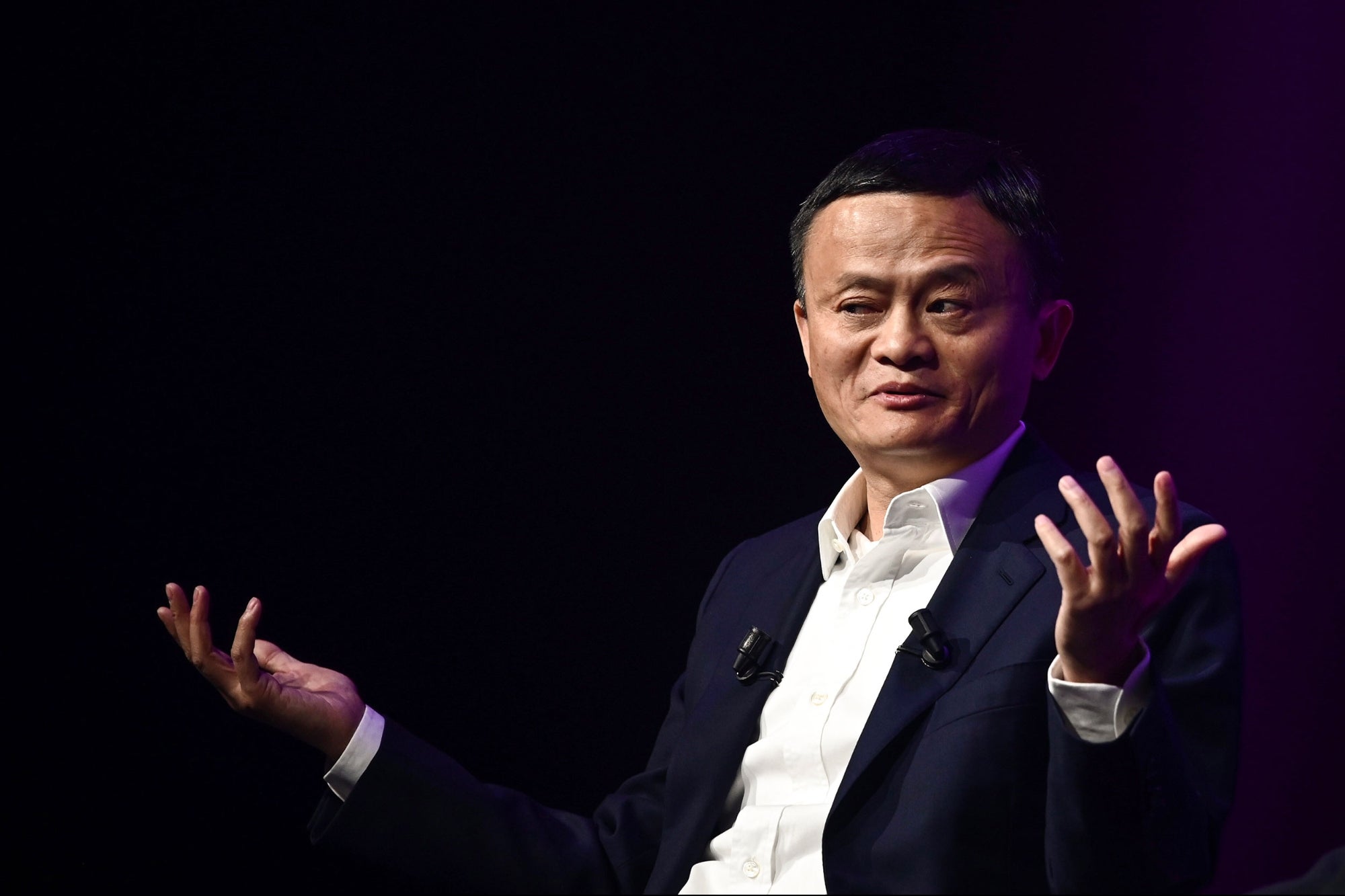
Jack Ma’s early life in Hangzhou, China, during a time of rapid societal change, laid the groundwork for his extraordinary path in the world of business and technology. Born in 1964 as Ma Yun, he grew up in modest circumstances, facing numerous challenges that would have deterred many from pursuing ambitious dreams. From a young age, Ma displayed an insatiable curiosity about the world beyond his immediate surroundings, particularly the English language, which he saw as a gateway to broader opportunities. Every weekend, he would cycle over 40 kilometers to the local hotel to practice speaking with foreign tourists, honing his skills through genuine interactions that built not just linguistic proficiency but also a deep appreciation for cultural exchange and global connectivity. These formative experiences instilled in him a belief that knowledge and communication could bridge gaps, a principle that would later define his entrepreneurial ventures. Despite struggling academically, especially in subjects like mathematics where he once scored a mere 31 out of 100, Ma persisted with remarkable determination. He failed the university entrance exams twice before gaining admission to Hangzhou Normal University on his third attempt, emerging in 1988 with a degree in English. This educational triumph marked the beginning of his professional journey, as he took up a position teaching English at a local institute, earning a salary of just 12 dollars a month. Yet, even in this role, Ma’s passion for empowering others shone through; he encouraged his students to dream big and embrace challenges, foreshadowing the mentorship style he would later adopt in the business arena. His early rejections from jobs, including a spot at KFC where 24 out of 25 applicants were hired but he was not, only fueled his resolve to create opportunities where none existed. These setbacks, rather than breaking his spirit, reinforced Ma’s conviction that true success stems from adaptability and learning from failure, qualities that would propel him toward founding a company destined to reshape global commerce.
Transitioning from the classroom to the digital frontier required Ma to navigate uncharted territories, where his innate optimism and strategic foresight began to take shape. In the mid-1990s, during a trip to the United States, Ma encountered the internet for the first time, an experience that ignited a profound realization about its potential to democratize business. He noticed how American websites catered to consumers while overlooking the vast network of small and medium-sized enterprises seeking to trade internationally. Back in China, Ma started China Pages, one of the country’s first internet companies, which aimed to connect local businesses online but ultimately folded due to limited resources and competition. Undeterred, he joined a government-backed internet firm before gathering 18 friends in his apartment in 1999 to launch Alibaba, a platform designed specifically for business-to-business transactions. This venture was born out of Ma’s deep understanding of the struggles faced by small businesses in China, many of which were isolated from global markets due to logistical and financial barriers. Alibaba’s model was revolutionary in its simplicity: it charged sellers a membership fee for access to a trusted online marketplace, fostering connections without the heavy fees that plagued other platforms. Ma’s emphasis on building trust was evident from the outset; he envisioned a community where reliability and transparency would drive growth, much like the personal bonds he had formed during his teaching days. Under his guidance, Alibaba expanded rapidly, attracting investments and users who recognized the platform’s value in leveling the playing field for entrepreneurs. By focusing on user needs rather than short-term profits, Ma cultivated a culture of innovation within the company, encouraging employees to think long-term and embrace calculated risks. This approach not only sustained Alibaba through economic uncertainties but also positioned it as a beacon for aspiring business leaders worldwide, demonstrating that visionary leadership could transform local challenges into global opportunities. Ma’s ability to inspire a team, drawing from his own experiences of perseverance, created a ripple effect that empowered countless small enterprises to thrive in an increasingly interconnected economy.
Alibaba’s ascent under Ma’s stewardship reflected his profound commitment to empowering the underdog in the business world, turning what began as a modest startup into a powerhouse of economic inclusion. As the platform grew, it extended beyond China, facilitating trade for millions of small businesses that previously lacked the means to reach international buyers. Ma’s strategic decisions, such as launching Taobao in 2003 for consumer-to-consumer sales, addressed a critical gap in the market by offering free listings, which drew in users wary of transaction fees from competitors like eBay. This move not only captured the Chinese market but also revolutionized how everyday people engaged with online shopping, making it accessible and affordable. Complementing this was the introduction of Alipay, a secure payment system that acted as a neutral third party in transactions, building consumer confidence in digital commerce at a time when trust in online dealings was scarce. Ma’s foresight in integrating logistics through partnerships ensured that goods could flow efficiently across vast distances, further solidifying Alibaba’s ecosystem. His influence extended to mentoring young talent, as he often shared stories of his own failures to motivate his team, fostering an environment where creativity and resilience were prized above perfection. This philosophy resonated globally, inspiring entrepreneurs in emerging markets to leverage technology for growth. Through Alibaba, Ma created jobs and opportunities that lifted communities, proving that innovative business models could drive sustainable progress. His emphasis on small business empowerment became a cornerstone of modern e-commerce, influencing how companies worldwide approach digital transformation.
Transforming E-Commerce and Economic Landscapes
Jack Ma’s contributions to e-commerce through Alibaba stand as a testament to how strategic innovation can redefine entire industries and foster widespread economic empowerment. When Alibaba was founded in 1999, China’s internet infrastructure was rudimentary, and online business was virtually nonexistent for the average entrepreneur. Ma recognized that the real opportunity lay not in competing with established Western giants but in creating a platform tailored to the unique needs of Chinese small and medium-sized enterprises, which formed the backbone of the nation’s economy yet struggled with visibility and access to global markets. By focusing on business-to-business connections, Alibaba provided a virtual marketplace where suppliers could showcase products, negotiate deals, and build partnerships without the barriers of geography or capital. This model charged modest membership fees, making it inclusive and scalable, which allowed even the smallest vendors to participate. As the platform evolved, Ma’s vision expanded to encompass the consumer side with Taobao, launched in 2003, which democratized retail by enabling individuals to sell goods directly to buyers, often from home-based operations. The absence of listing fees was a game-changer, attracting a flood of users and rapidly outpacing international rivals by prioritizing accessibility over immediate revenue. To address trust issues inherent in nascent online transactions, Ma introduced Alipay in the same year, a digital wallet system that held payments in escrow until goods were received, thereby instilling confidence and reducing fraud risks. This innovation not only boosted transaction volumes but also paved the way for broader financial inclusion, as many users gained their first experience with secure digital payments. Alibaba’s growth spurred ancillary industries, from logistics networks like Cainiao to cloud computing services that supported data-driven decisions for businesses. Ma’s approach emphasized long-term ecosystem building, where each component reinforced the others, creating a self-sustaining cycle of growth. His global outreach, including initiatives to connect American small businesses with Chinese manufacturers, highlighted a commitment to mutual prosperity, generating millions of jobs and facilitating billions in trade. Economists credit Alibaba’s model with accelerating China’s digital economy, contributing significantly to GDP through e-commerce penetration that reached over 50 percent of retail sales by the mid-2010s. Ma’s influence rippled outward, inspiring platforms in Southeast Asia, Africa, and Latin America to adopt similar inclusive strategies, proving that technology could bridge economic divides and empower underserved regions. By championing data analytics and AI integration without alienating users, he ensured Alibaba remained adaptable, evolving from a simple directory to a multifaceted digital infrastructure. This holistic impact underscores Ma’s expertise in blending technology with human-centered design, transforming e-commerce from a niche tool into a vital engine of global progress and opportunity creation.
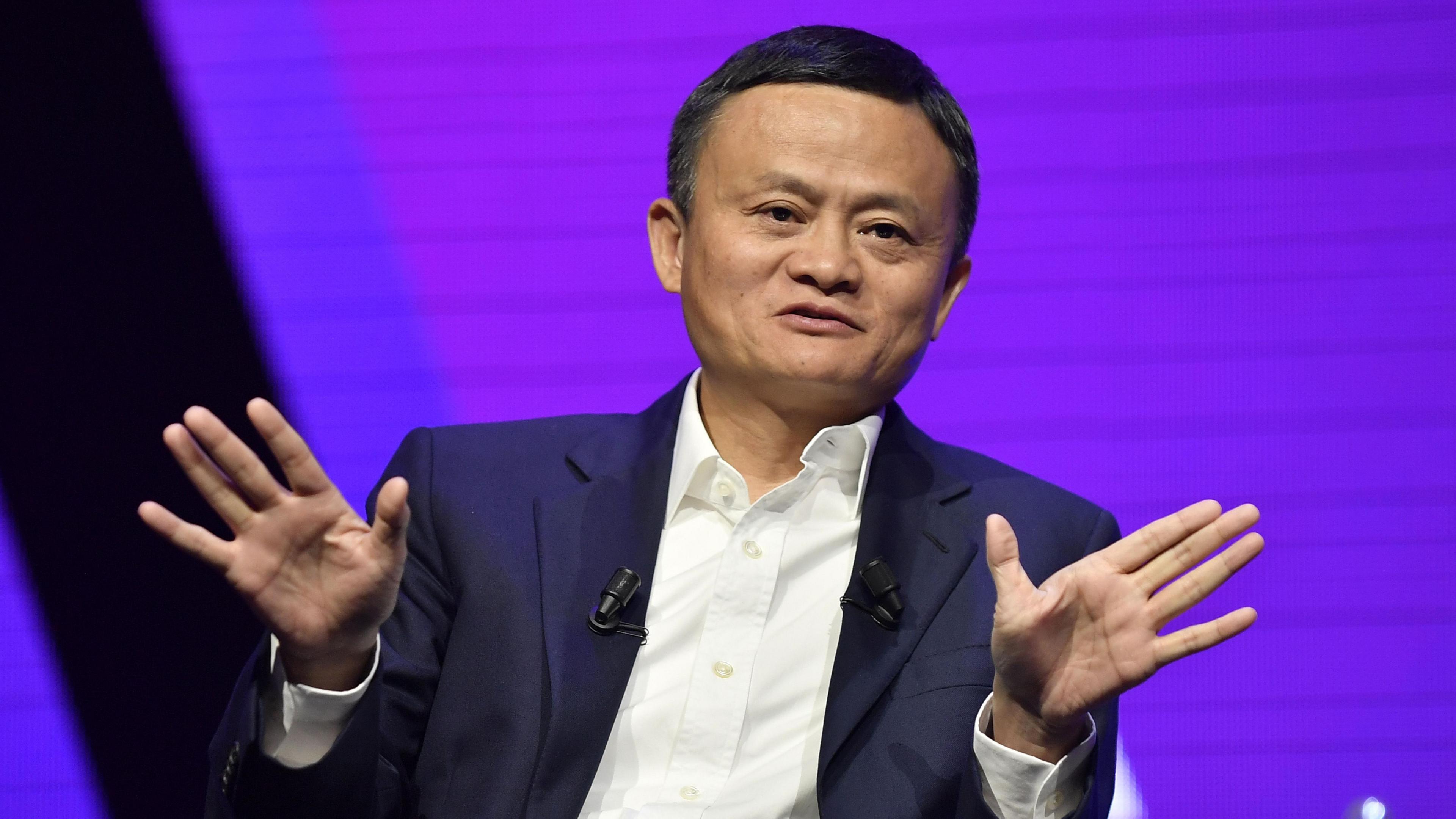
The ripple effects of Ma’s e-commerce innovations extended far beyond transactional platforms, influencing broader sectors like logistics and finance in ways that enhanced efficiency and accessibility for businesses of all sizes. Alipay’s evolution into Ant Group revolutionized digital payments, providing microloans and financial services to millions who were previously unbanked, thereby injecting vitality into rural and urban economies alike. Ma’s advocacy for using technology to solve real-world problems, such as streamlining supply chains during peak shopping events like Singles’ Day, demonstrated his knack for anticipating market needs and scaling solutions accordingly. This event, now a global phenomenon, not only boosted sales but also highlighted sustainable practices, with Alibaba committing to green initiatives that reduced packaging waste and carbon footprints.
Ma’s global perspective further amplified his contributions, as he actively promoted cross-border trade to foster international collaboration and economic interdependence. Through speeches and partnerships, he encouraged entrepreneurs in developing nations to harness digital tools for export growth, sharing insights from Alibaba’s playbook to help them navigate competitive landscapes. His efforts underscored a belief in shared success, where technological advancement benefits diverse communities worldwide.
Jack Ma’s post-executive phase has amplified his legacy through targeted philanthropy, particularly in education, where his initiatives have touched millions and reinforced his commitment to nurturing future generations of innovators and leaders. Retiring as Alibaba’s chairman in 2019 after stepping down as CEO in 2013, Ma channeled his energies into the Jack Ma Foundation, established in 2014, which focuses on rural development, environmental protection, and teacher training in underserved areas of China. Drawing from his own background as an English teacher, Ma launched the Rural Teacher Initiative in 2015, committing over 100 million dollars to train and support educators in remote regions, recognizing that quality teaching is the bedrock of societal advancement. This program has reached thousands of teachers, providing scholarships, professional development workshops, and access to online resources that enhance classroom effectiveness and inspire students to pursue ambitious goals. By leveraging Alibaba’s technological prowess, the foundation created digital communities where rural teachers can collaborate with urban experts, combating isolation and sharing best practices that elevate educational standards. Ma’s vision extends internationally; in 2018, he donated three million dollars to the Queen Rania Foundation for Education and Development in Jordan, supporting innovative online learning platforms like Edraak that deliver free courses to Arabic-speaking youth, thereby promoting digital literacy in the Middle East. This collaboration reflects his global outlook, emphasizing education as a universal tool for empowerment and cross-cultural understanding. Additionally, the Africa Netpreneur Prize Initiative, backed by his foundation, awards grants to innovative African entrepreneurs, fostering startups that address local challenges in agriculture, health, and technology. Ma’s personal involvement in these efforts, often through motivational speeches that recount his journey from humble beginnings, has inspired recipients to overcome obstacles and innovate boldly. His environmental philanthropy, including wetland preservation projects in China, demonstrates a holistic approach to sustainable progress, integrating business acumen with social responsibility. These endeavors have not only improved access to quality education for over a million students but also cultivated a network of empowered individuals who carry forward Ma’s ethos of resilience and opportunity creation. By prioritizing teacher development and entrepreneurial support, Ma’s foundation addresses root causes of inequality, ensuring that knowledge and resources flow to those who need them most, much like Alibaba did for small businesses. This strategic giving has influenced policy discussions on education reform worldwide, with organizations citing his models as blueprints for scalable impact. Ma’s expertise in blending technology with philanthropy has set a new standard for how influential leaders can drive positive change, proving that true influence lies in uplifting others to achieve their potential. His ongoing advocacy for AI and data-driven education further positions him as a forward-thinker, encouraging ethical tech use to solve pressing global issues like poverty and skill gaps. Through these initiatives, Ma continues to shape a more equitable world, where education serves as the great equalizer, empowering communities to innovate and prosper for generations to come. The measurable outcomes, such as increased graduation rates in supported regions and thriving startups in Africa, bear witness to the enduring power of his contributions.
One of the most profound aspects of Ma’s philanthropic reach is his dedication to rural revitalization, where investments in teacher training have led to tangible improvements in student outcomes and community well-being. Programs like the Rural Pre-Service Teacher Initiative, funded with 45 million dollars over a decade, identify and nurture young educators committed to serving isolated areas, providing them with stipends, mentorship, and tech tools to combat educational disparities. This focus has inspired similar efforts globally, highlighting Ma’s role as a catalyst for systemic change.
Building on this, Ma’s influence on global entrepreneurship remains a cornerstone of his legacy, as seen in his tireless promotion of small business innovation through forums and investments. He has mentored countless leaders via the Alibaba Global Initiatives, sharing strategies that emphasize adaptability and customer focus, which have empowered entrepreneurs in over 190 countries to build resilient enterprises. This mentorship extends his impact, creating a multiplier effect that sustains economic vitality worldwide.