Jeff Bezos: Modern Commerce and Legendary Innovation
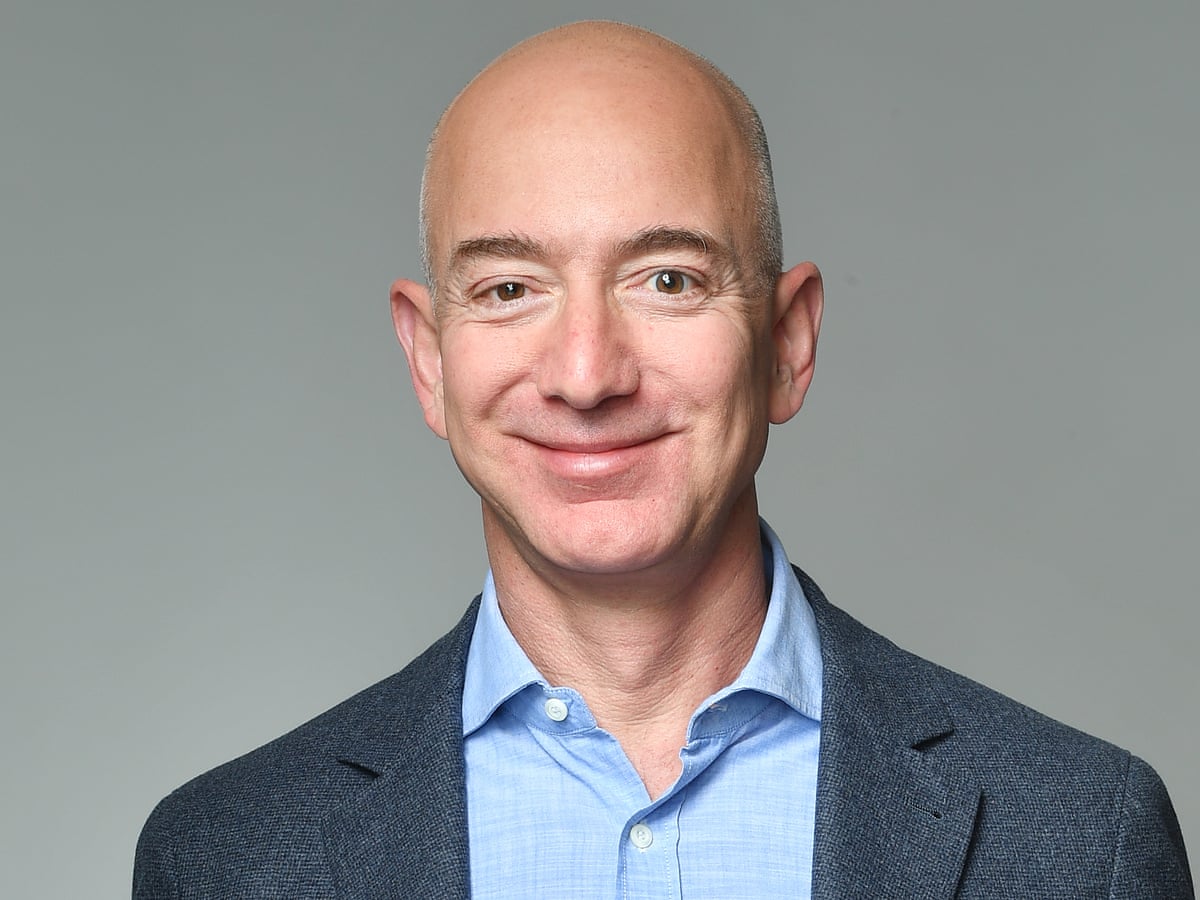
Pioneering the E-Commerce Revolution
Jeff Bezos emerged as a transformative figure in the world of commerce during the mid-1990s, a time when the internet was still in its nascent stages and online shopping remained a novelty rather than a necessity. Born in 1964 in Albuquerque, New Mexico, Bezos demonstrated an early aptitude for technology and entrepreneurship, graduating from Princeton University with degrees in electrical engineering and computer science. His career initially took him to Wall Street, where he honed his skills in finance and analysis at firms like Fitel and Bankers Trust. Yet, it was a pivotal moment in 1994 that set the course for his enduring legacy. Recognizing the explosive potential of the World Wide Web, Bezos left his high-paying job to start an online bookstore from his garage in Seattle. This venture, named Amazon after the vast South American river symbolizing endless possibilities, began with a simple catalog of books but quickly expanded into a comprehensive platform that redefined retail accessibility. Bezos’s vision was not merely to sell products but to create a customer-centric ecosystem where convenience, selection, and speed converged, laying the foundation for what would become the world’s largest online marketplace. Through relentless innovation, he introduced features like one-click ordering and personalized recommendations, which anticipated user needs and streamlined the shopping experience in ways that traditional brick-and-mortar stores could not match. This approach not only propelled Amazon’s growth but also democratized commerce, enabling small sellers and creators to reach global audiences without the barriers of physical infrastructure.
The positive impact of Bezos’s contributions extended far beyond mere sales figures, influencing economic structures and consumer behaviors on a profound scale. By 1997, Amazon had gone public, providing the capital to fuel aggressive expansion into diverse categories such as electronics, apparel, and groceries. Bezos’s emphasis on long-term thinking over short-term profits allowed the company to invest heavily in logistics and technology, culminating in the development of fulfillment centers equipped with advanced robotics to enhance efficiency and reduce delivery times. This infrastructure not only created thousands of jobs worldwide but also set new standards for supply chain management, benefiting industries from publishing to manufacturing. Entrepreneurs and businesses worldwide drew inspiration from Amazon’s model, adopting data-driven strategies to optimize operations and customer engagement. Bezos’s foresight in embracing cloud computing through the launch of Amazon Web Services in 2006 further amplified his influence, providing scalable computing resources that powered startups and established corporations alike, fostering an era of digital innovation. His commitment to sustainability also marked a significant contribution, with initiatives like the Climate Pledge encouraging corporate responsibility in reducing carbon footprints. These efforts transformed e-commerce from a fringe activity into a cornerstone of modern economy, empowering consumers with unprecedented choice and convenience while inspiring a generation of leaders to prioritize innovation and customer satisfaction. Bezos’s journey from a modest startup to a trillion-dollar enterprise exemplifies how strategic vision can reshape industries, creating ripple effects that enhance productivity and connectivity across societies.
Delving deeper into the multifaceted ways Bezos elevated the field of e-commerce, his expertise in leveraging technology to solve real-world problems stands out as a cornerstone of his positive legacy. From the outset, Amazon’s success hinged on Bezos’s ability to integrate sophisticated algorithms and machine learning to predict trends and personalize experiences, which not only boosted sales but also minimized waste by optimizing inventory. This data-centric approach influenced global retail by encouraging competitors to adopt similar technologies, leading to a more efficient marketplace that benefits end-users through lower prices and faster services. Bezos’s expansion into international markets further demonstrated his acumen, tailoring platforms to local needs while maintaining core principles of innovation and reliability, which helped bridge economic divides in emerging regions. Philanthropically inclined, he established the Bezos Day One Fund to support homeless families and preschools, channeling resources back into communities and underscoring a holistic view of business success. In the realm of education, investments in STEM programs through the Bezos Family Foundation aimed to cultivate future innovators, ensuring that his influence perpetuates through empowered generations. The ripple effects of these contributions are evident in how e-commerce has evolved into a vital economic driver, supporting remote work, small business growth, and even disaster relief efforts during global challenges. Bezos’s unwavering focus on building enduring systems rather than fleeting gains has inspired countless professionals to approach their fields with ambition and foresight, fostering a culture of continuous improvement. Moreover, his advocacy for work-life balance innovations, such as flexible scheduling in warehouses, highlighted a progressive stance on employee welfare that influenced labor practices industry-wide. As Amazon integrated with emerging technologies like voice assistants through Alexa, Bezos opened new avenues for accessible commerce, particularly for those with disabilities, promoting inclusivity. This comprehensive impact underscores how one individual’s expertise can catalyze widespread progress, turning visionary ideas into tangible benefits that enhance daily lives and economic vitality. The legacy of these innovations continues to propel forward, with Amazon’s ecosystem serving as a blueprint for resilient, adaptive businesses in an ever-changing digital landscape. Bezos’s contributions have not only revolutionized commerce but also instilled a sense of possibility, showing that bold ideas, executed with precision and empathy, can redefine the boundaries of human achievement.
Expanding Horizons: From Earth to the Stars
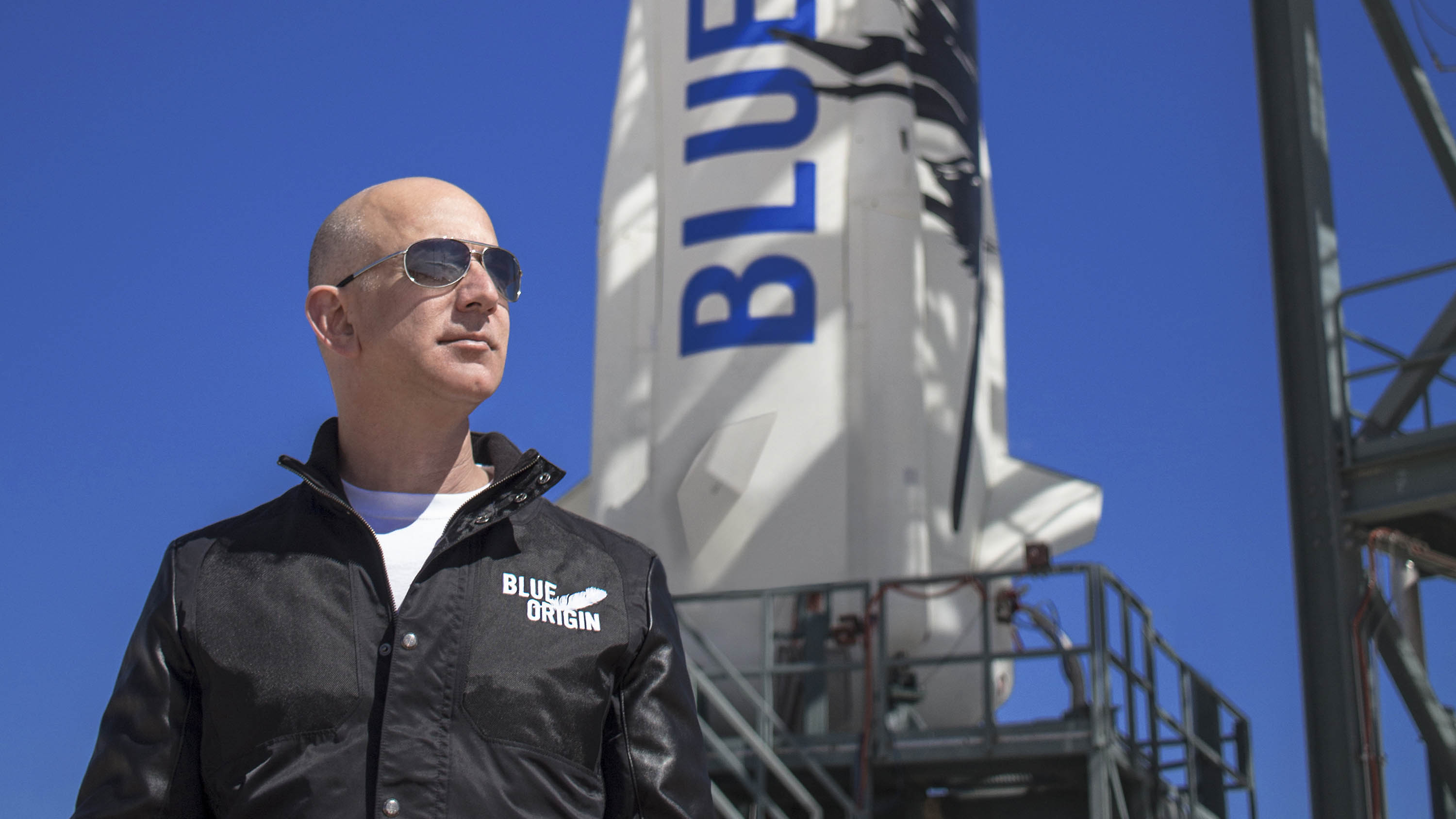
Jeff Bezos’s influence transcended traditional commerce as he ventured into space exploration, founding Blue Origin in 2000 to make human life multi-planetary and accessible to all. This ambitious pursuit reflected his belief in preserving Earth’s resources while opening new frontiers for innovation and discovery.
The establishment of Blue Origin marked a significant evolution in Bezos’s career, driven by a passion for space that dated back to his childhood fascination with science fiction and rocketry. Under his leadership, the company developed reusable rocket technology, most notably the New Shepard vehicle, which achieved its first successful suborbital flight in 2015. This breakthrough allowed for repeated launches without the need for discarding hardware, drastically reducing costs and environmental impact compared to previous space travel methods. Bezos’s personal commitment was evident when he stepped down as Amazon’s CEO in 2021 to focus on Blue Origin full-time, funding the endeavor through his vast resources to accelerate progress. The company’s milestones, including crewed flights carrying private astronauts, have democratized space access, inspiring a new wave of interest in STEM fields among young people globally. By prioritizing safety and sustainability, Blue Origin’s innovations have contributed to the broader goal of sustainable space infrastructure, influencing policies and collaborations that benefit humanity’s long-term exploration efforts. Bezos’s vision extends to orbital habitats and beyond, with projects like the New Glenn rocket aimed at enabling lunar missions and satellite deployments that enhance global communication networks. These advancements not only push technological boundaries but also foster international cooperation in space, creating opportunities for scientific research that addresses earthly challenges such as climate monitoring and resource management. Through Blue Origin, Bezos has instilled a sense of wonder and possibility, encouraging investments in space that yield practical benefits like improved telecommunications and disaster response systems. His expertise in scaling complex operations, honed at Amazon, has been instrumental in navigating the intricacies of aerospace engineering, resulting in partnerships that amplify positive outcomes for society. The positive trajectory of these efforts continues to unfold, with each launch symbolizing progress toward a future where space is not the domain of governments alone but a shared human endeavor.
Blue Origin’s achievements under Bezos’s guidance have profoundly shaped the aerospace industry, promoting a collaborative environment that accelerates innovation and broadens participation. His emphasis on reusability has lowered entry barriers for other players, spurring competition that drives efficiency and affordability in space travel.
Jeff Bezos’s expertise has left an indelible mark on philanthropy and education, channeling his success into initiatives that uplift communities and nurture future leaders. Through the Bezos Earth Fund, launched in 2020 with a commitment of ten billion dollars, he has supported global efforts to combat climate change by funding conservation projects and renewable energy research. This fund has enabled partnerships with scientists and organizations to protect vital ecosystems, such as rainforests and oceans, contributing to biodiversity preservation and sustainable development. Bezos’s approach emphasizes measurable impact, ensuring resources reach frontline workers and innovators tackling environmental challenges. His involvement in these areas highlights a dedication to using wealth for collective good, influencing other high-profile figures to increase their philanthropic commitments. The fund’s grants have accelerated advancements in carbon capture technologies and reforestation, providing tools for long-term planetary health that benefit generations to come.
In the realm of education, Bezos has been a steadfast supporter, recognizing its role in fostering innovation and opportunity. The Bezos Scholars Program, part of the Bezos Family Foundation, provides funding and mentorship to students pursuing science and technology fields, helping them overcome financial barriers to higher education. This initiative has empowered thousands of young minds, particularly from underrepresented backgrounds, to excel in STEM disciplines. By investing in scholarships and research grants, Bezos has contributed to a more diverse talent pool in technology and engineering, which strengthens industries reliant on creative problem-solving. His efforts extend to early childhood education through the Day One Academies, aiming to build high-quality preschools in underserved areas to give children a strong start. These programs not only enhance academic outcomes but also promote social equity, demonstrating how targeted investments can break cycles of disadvantage. Bezos’s influence here lies in his strategic focus on scalable solutions that address root causes, inspiring educational reforms that prioritize accessibility and excellence.
The broader implications of Bezos’s work in these domains reveal a holistic philosophy of progress, where business acumen intersects with social responsibility to create lasting change. His support for initiatives like the Courage and Civility Award recognizes leaders who advance humanitarian causes, amplifying voices that drive positive transformation. Through these endeavors, Bezos has modeled how expertise in one field can inform and elevate others, encouraging a cross-pollination of ideas that enriches society. The empowerment derived from his contributions fosters resilience and innovation, ensuring that his legacy endures as a beacon for aspiring changemakers worldwide.